

Best selection of Endodontic supplies in the UK










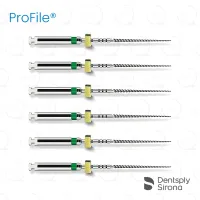
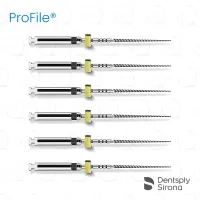
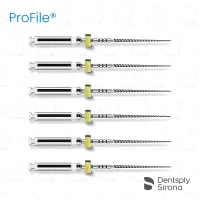
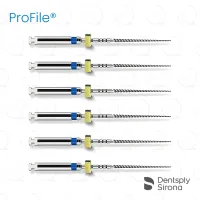









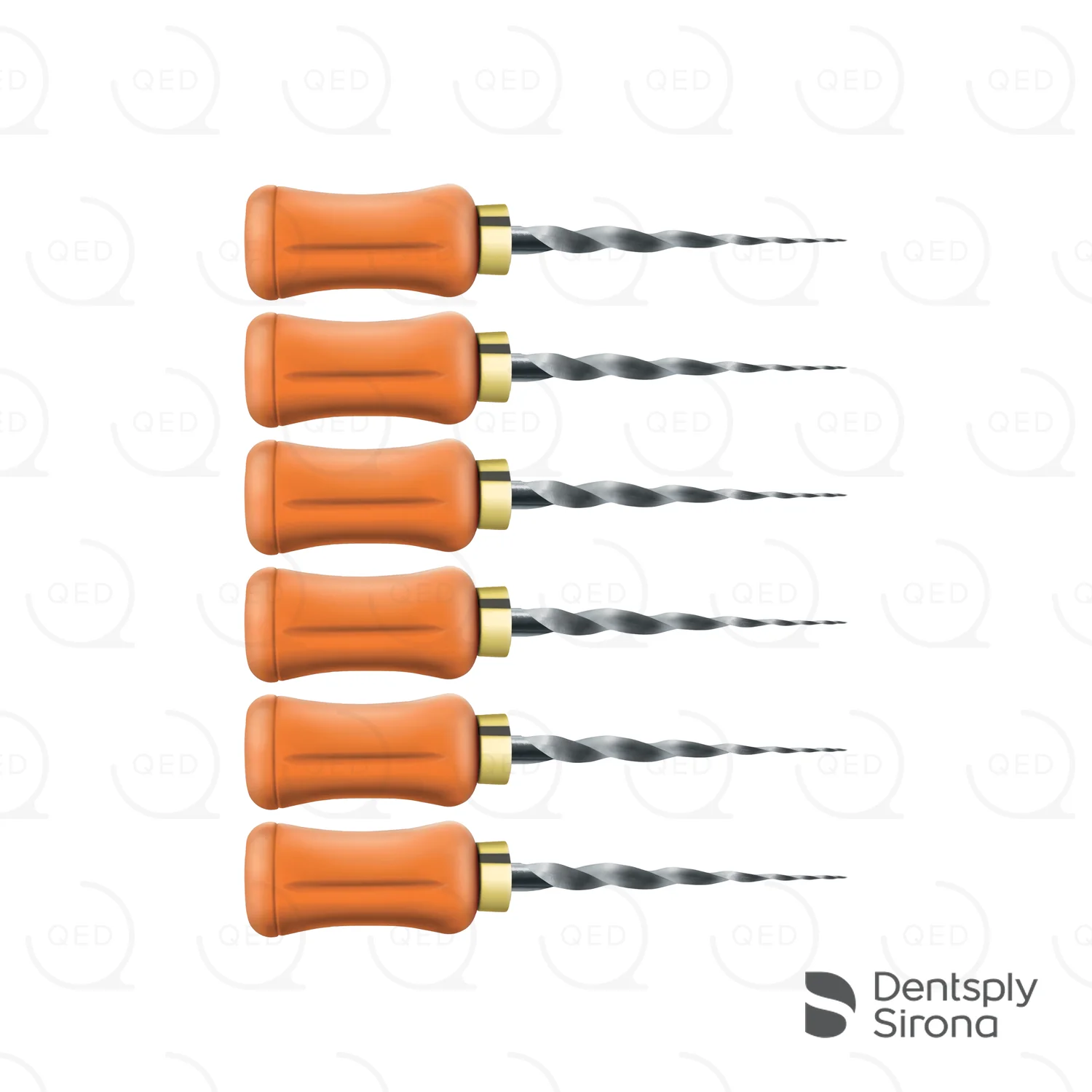

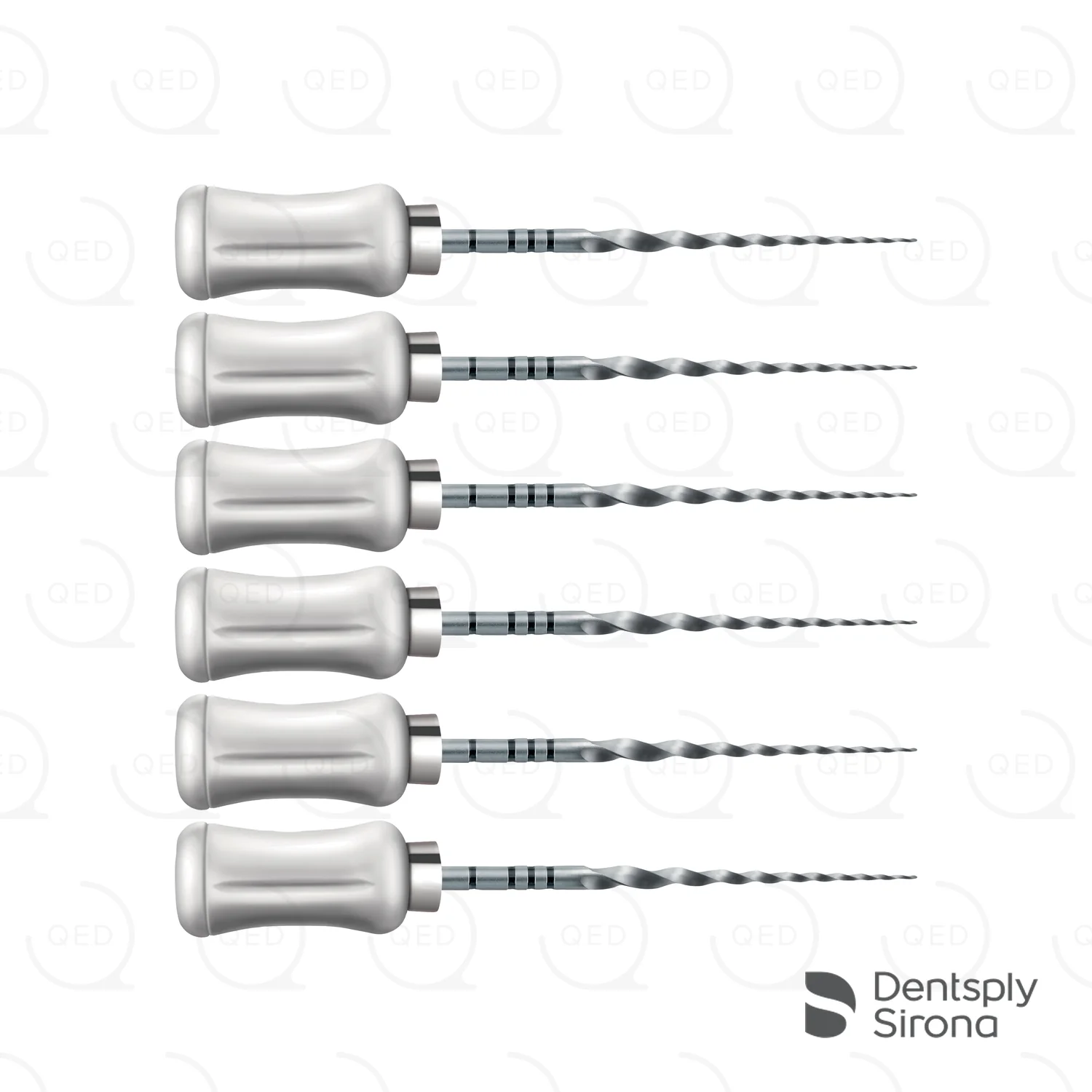
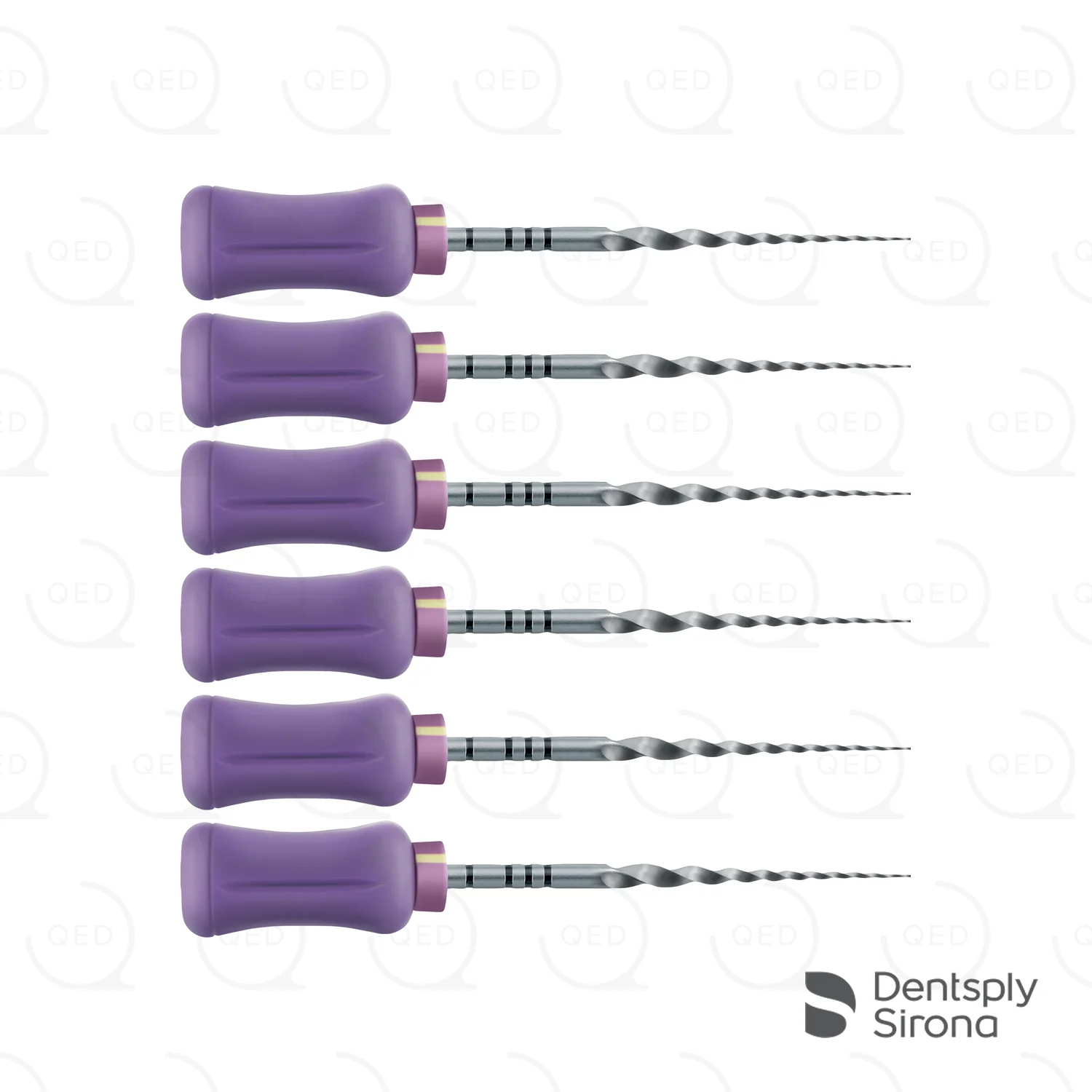

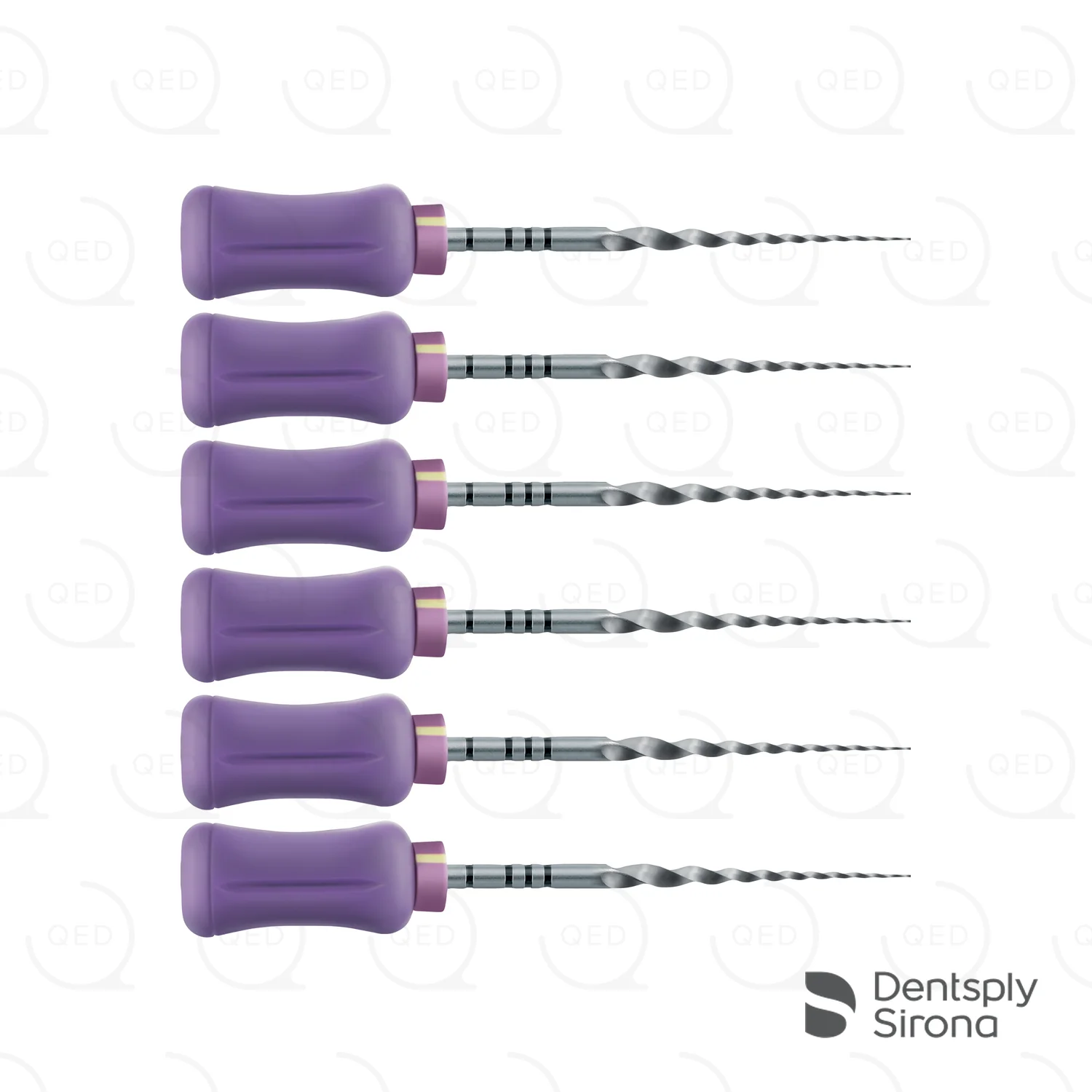
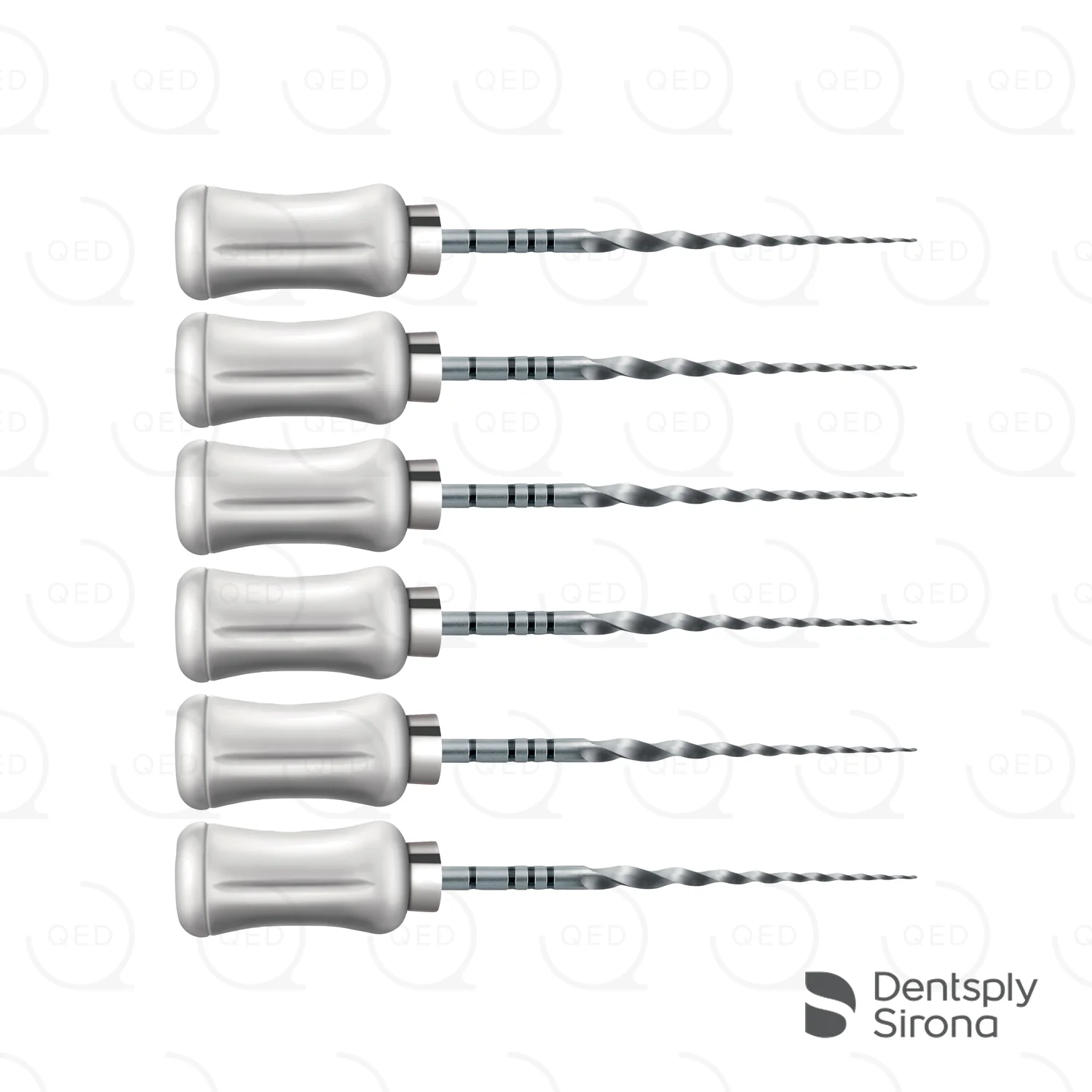


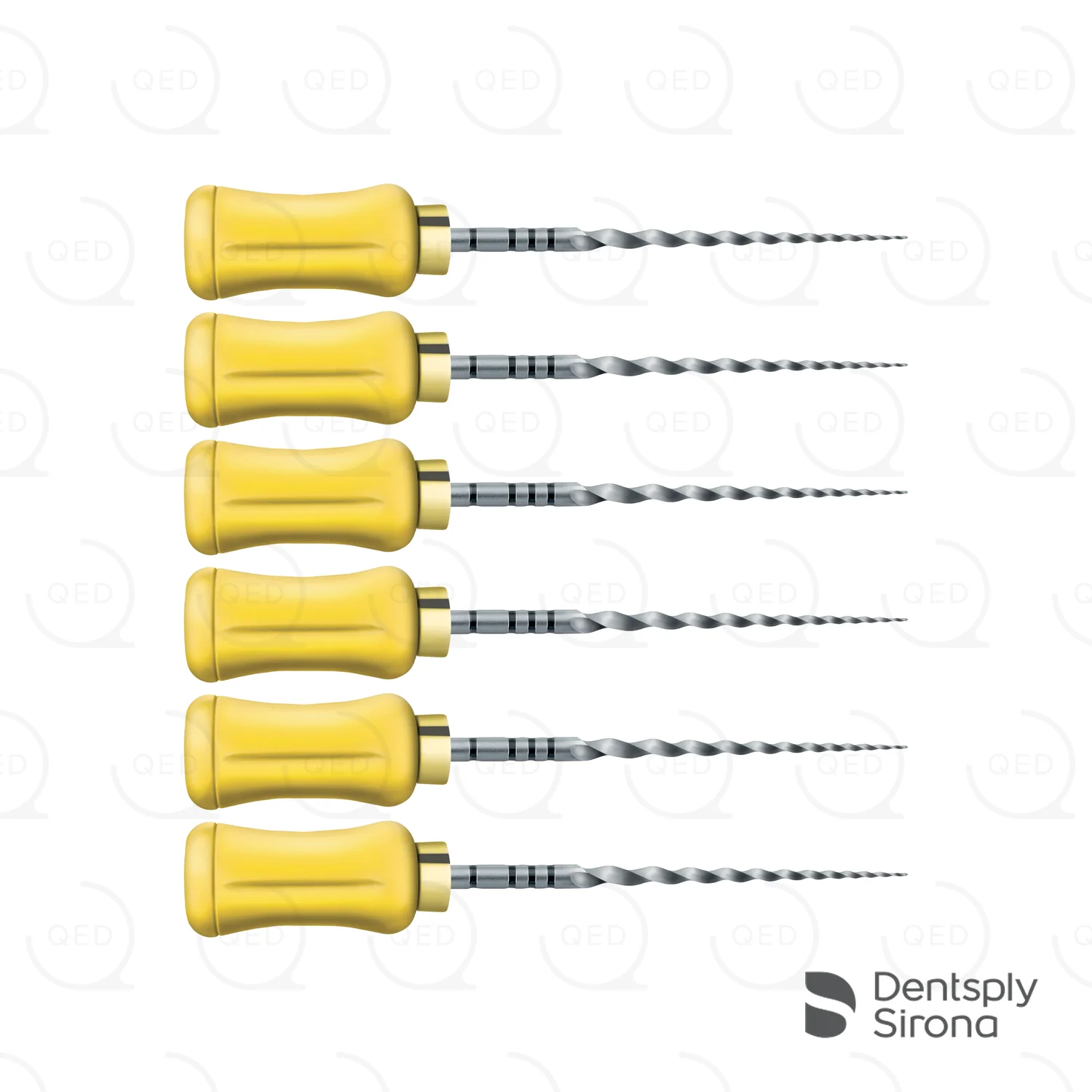

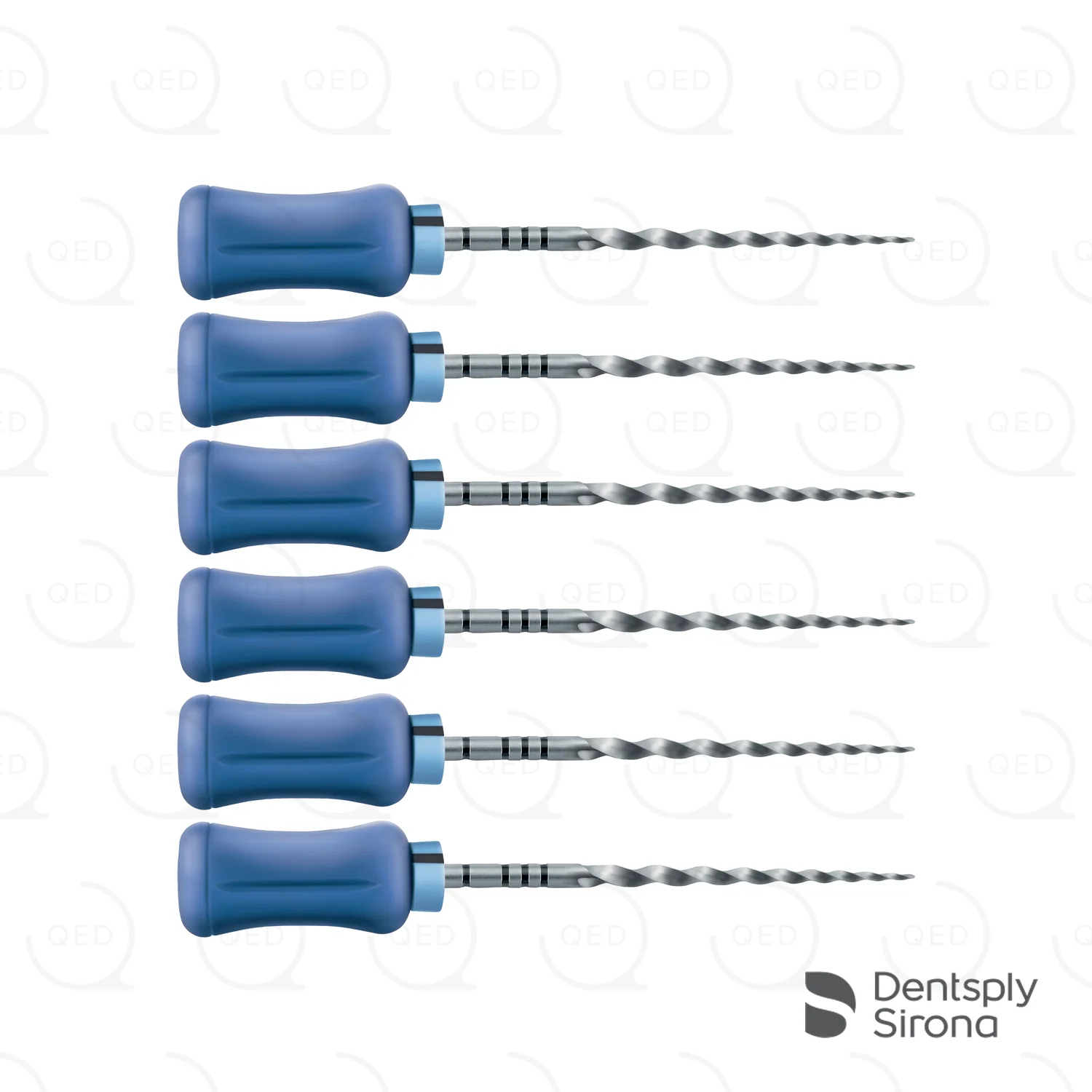
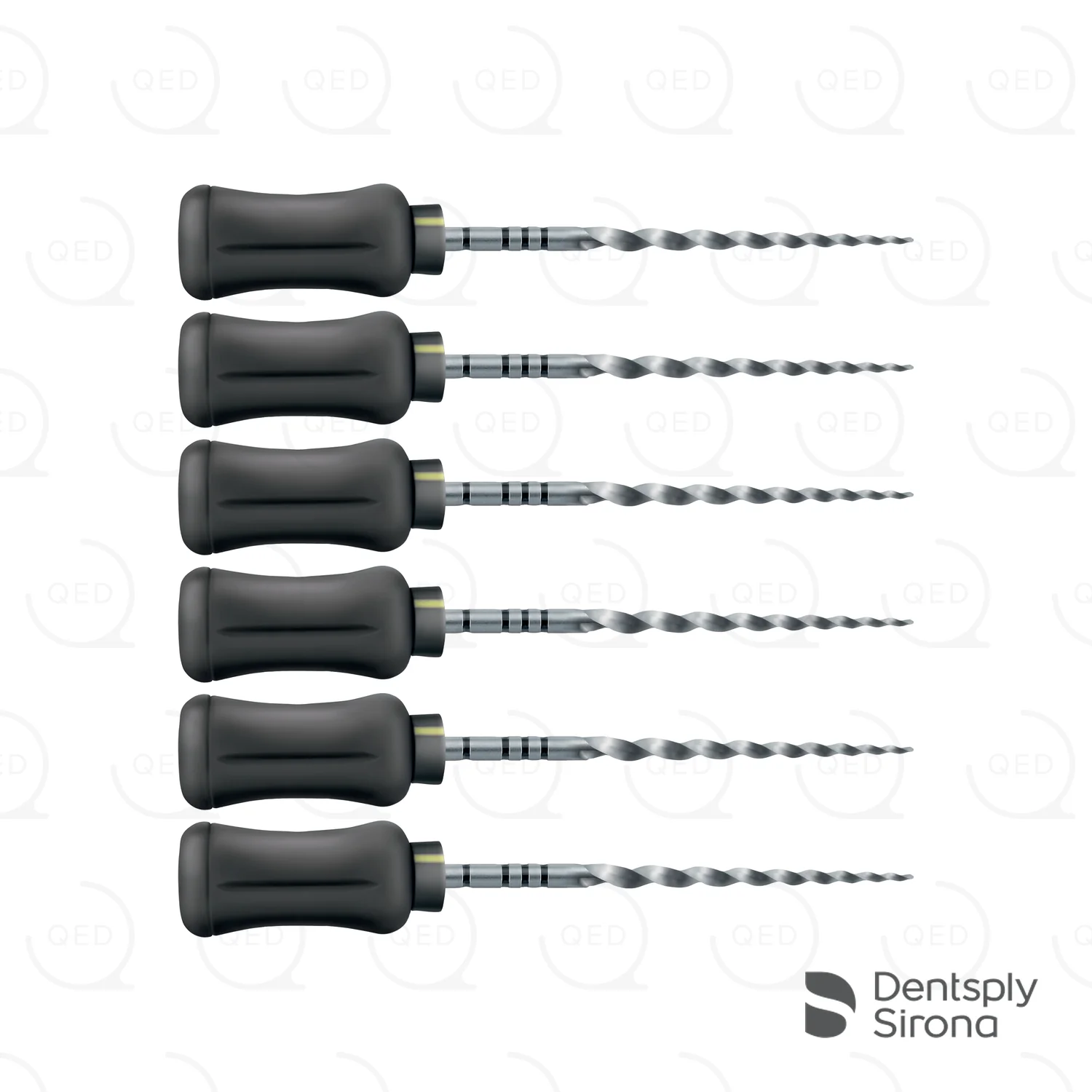
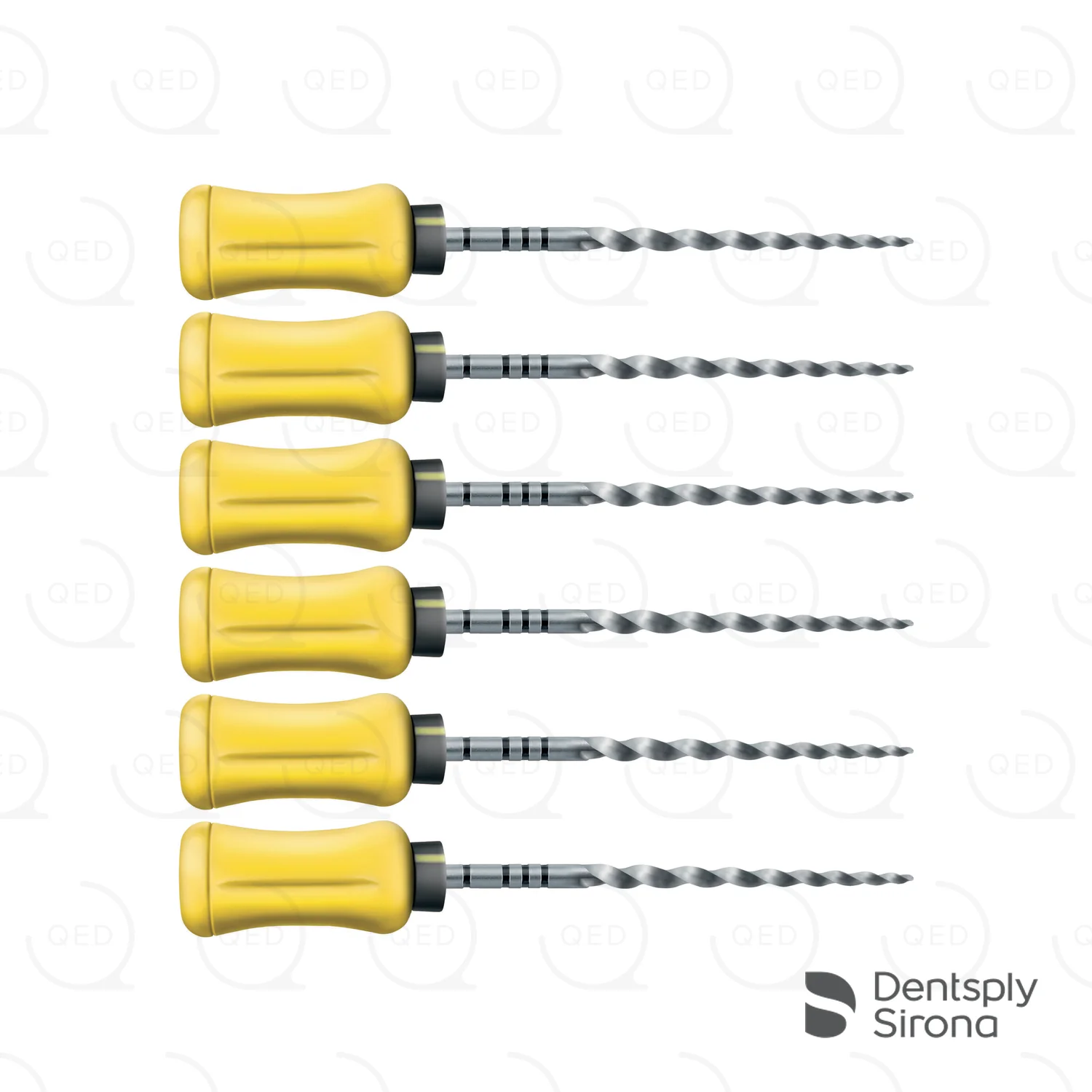
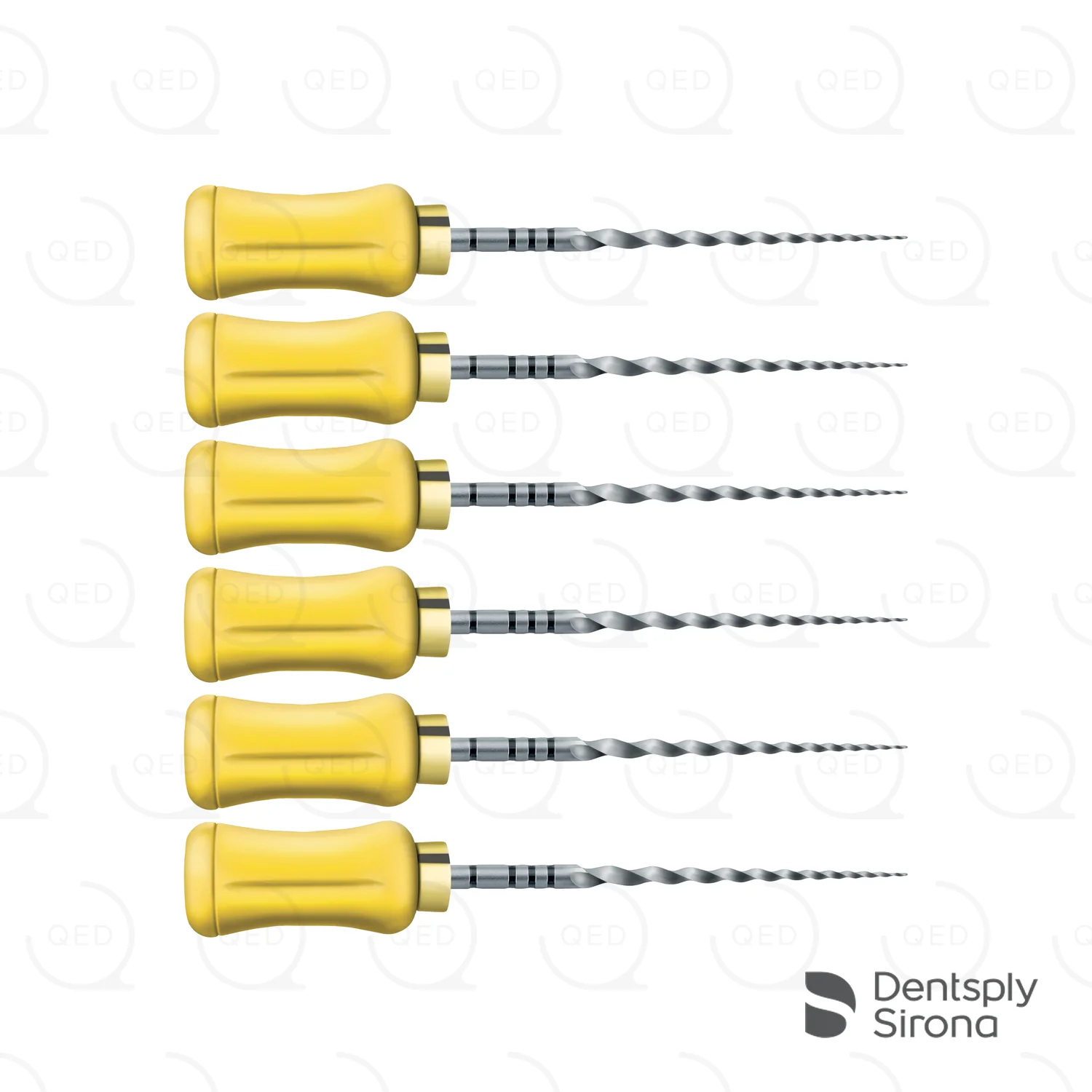


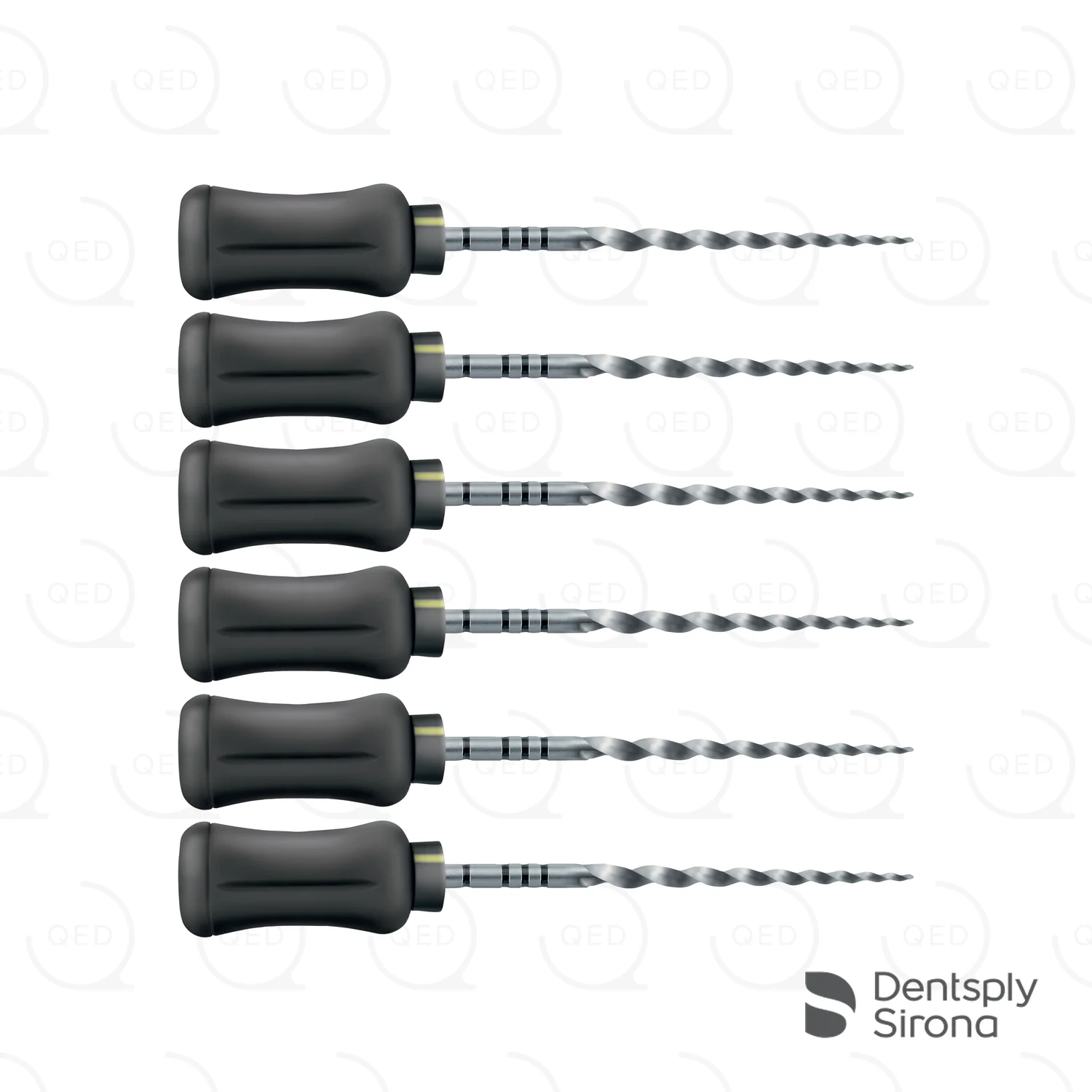

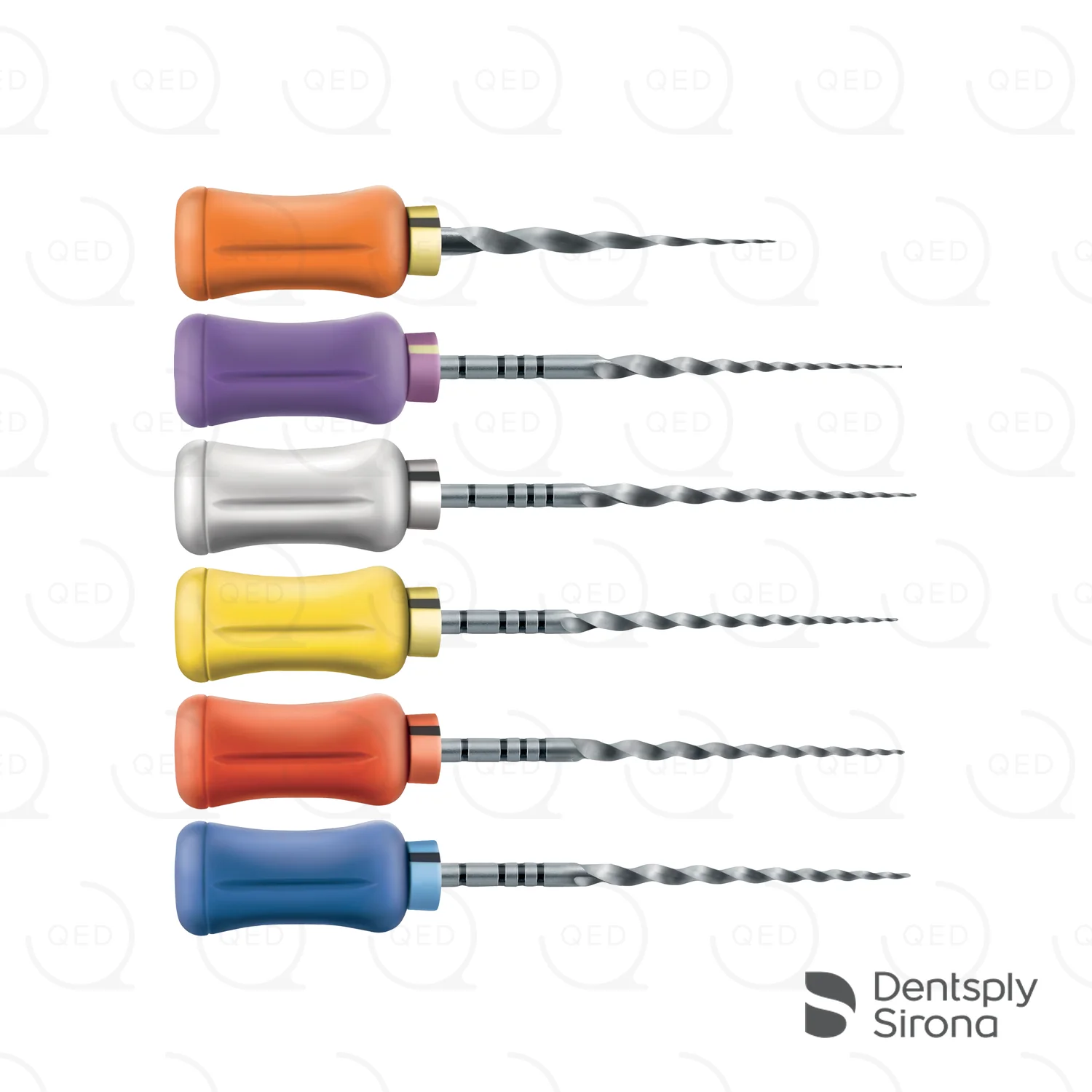




























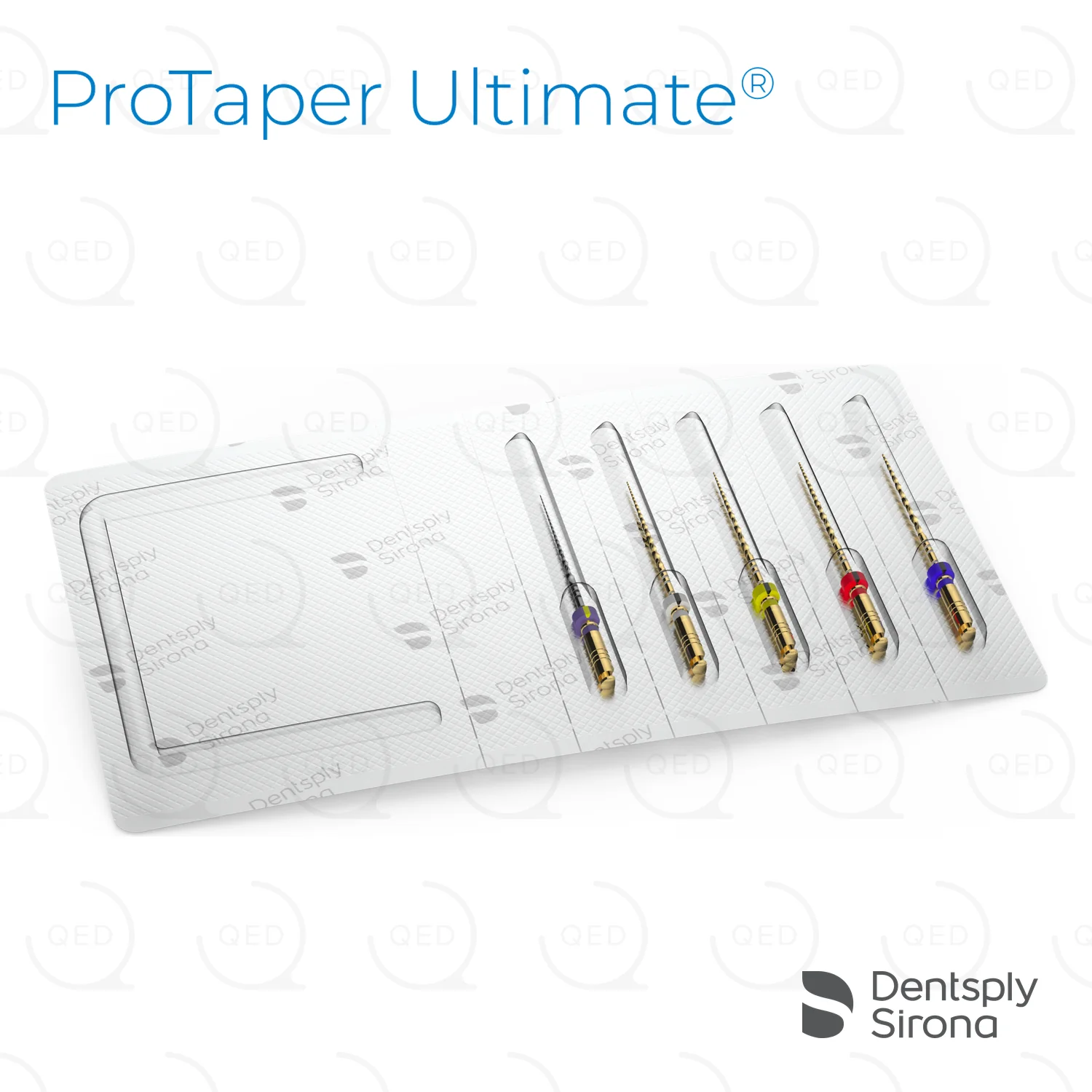


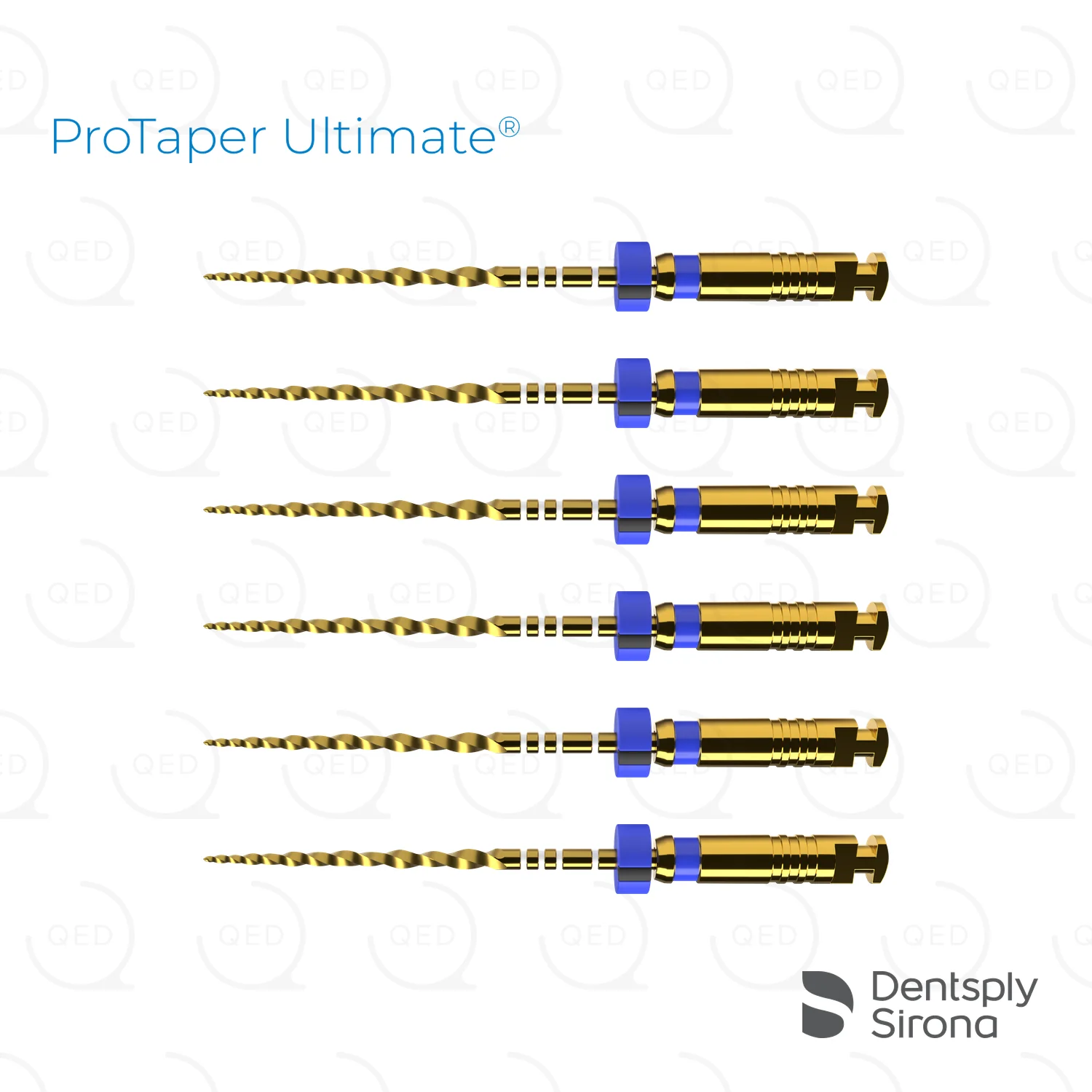
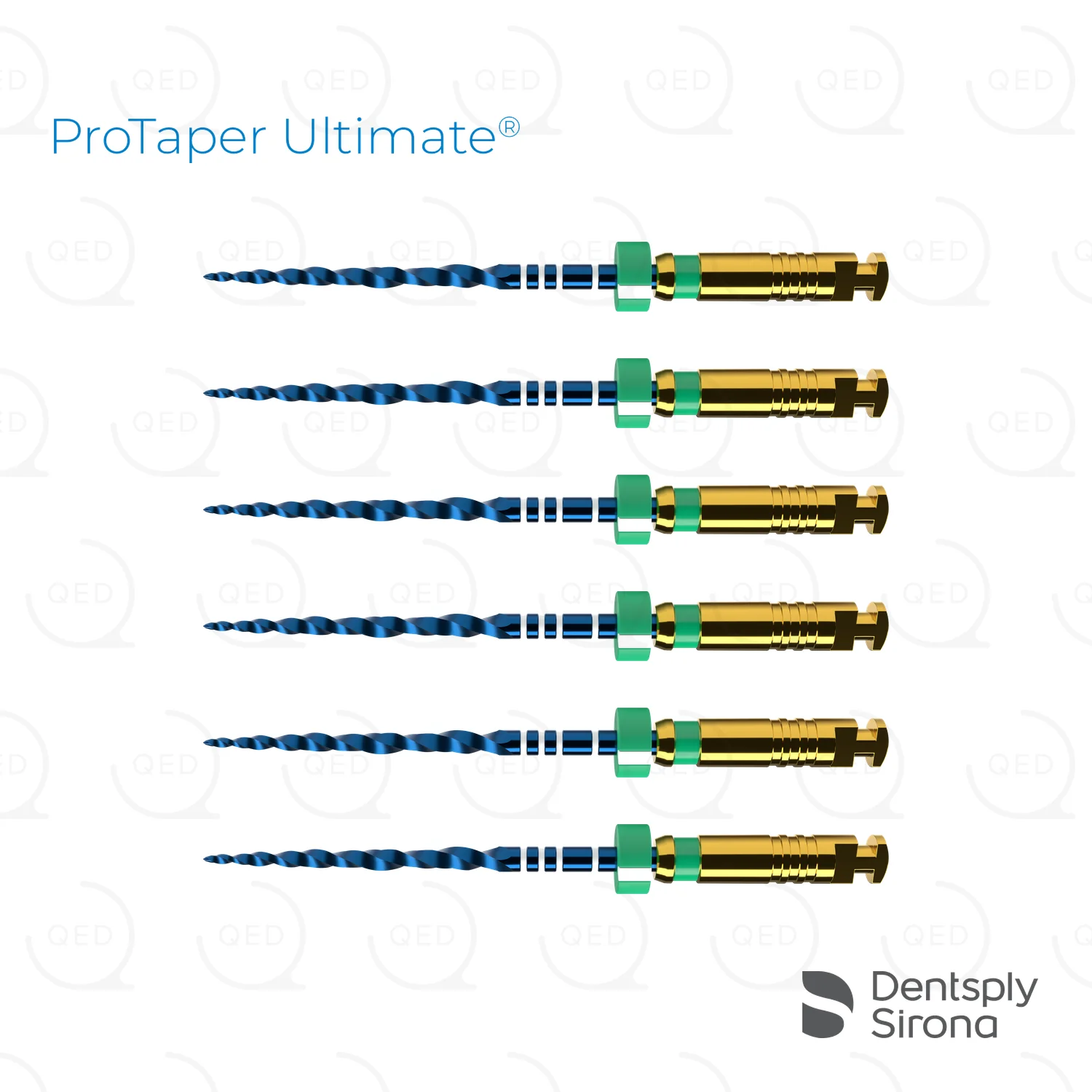
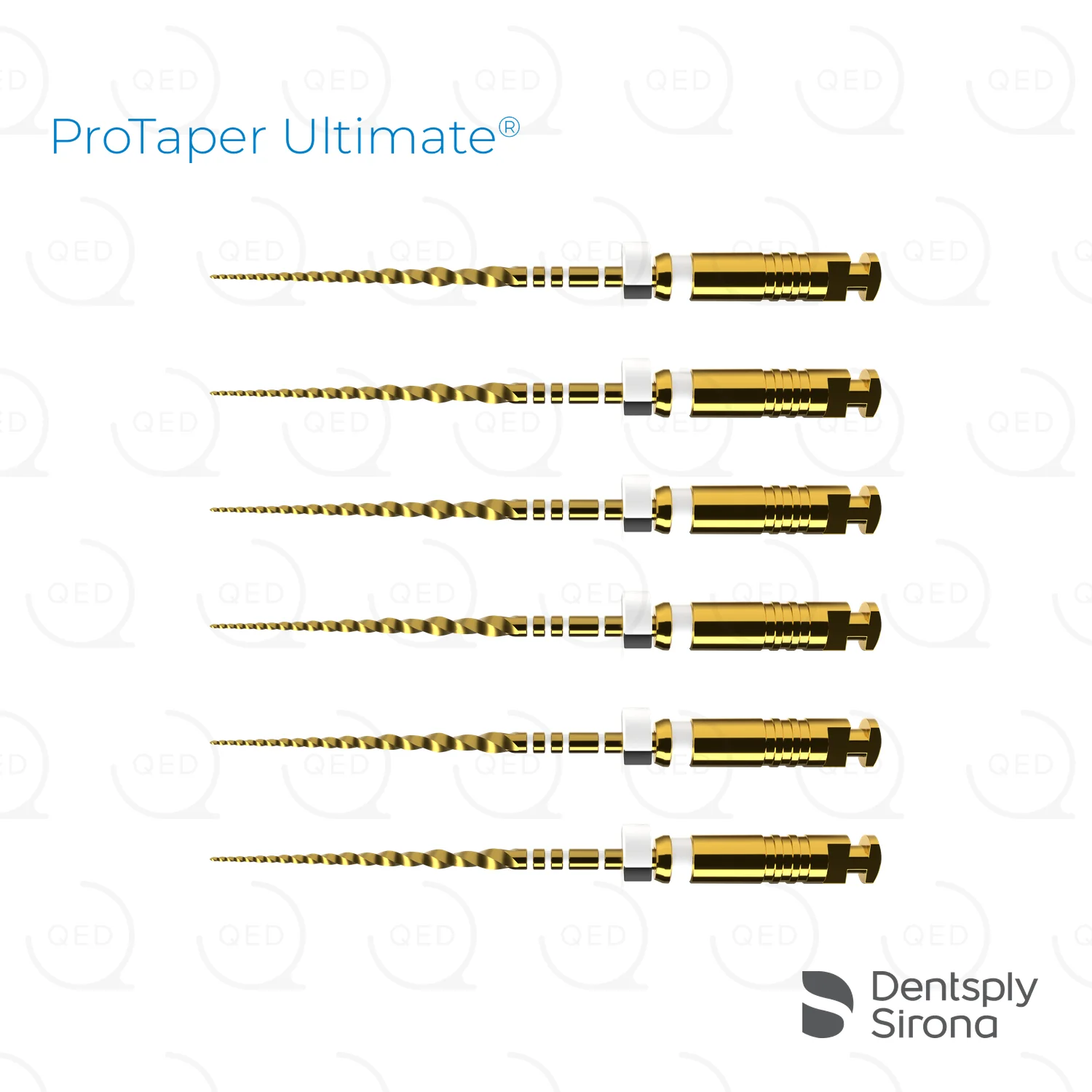
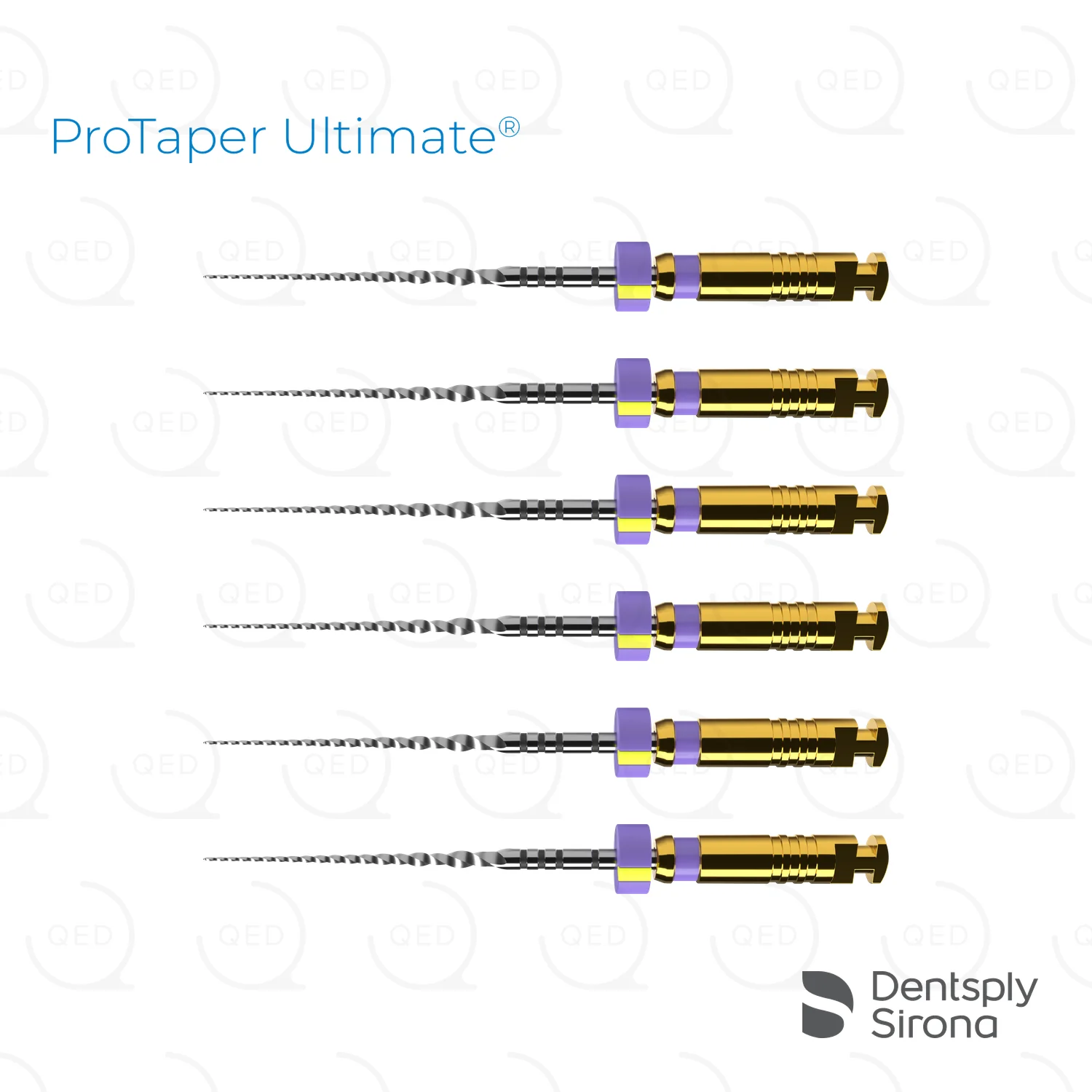


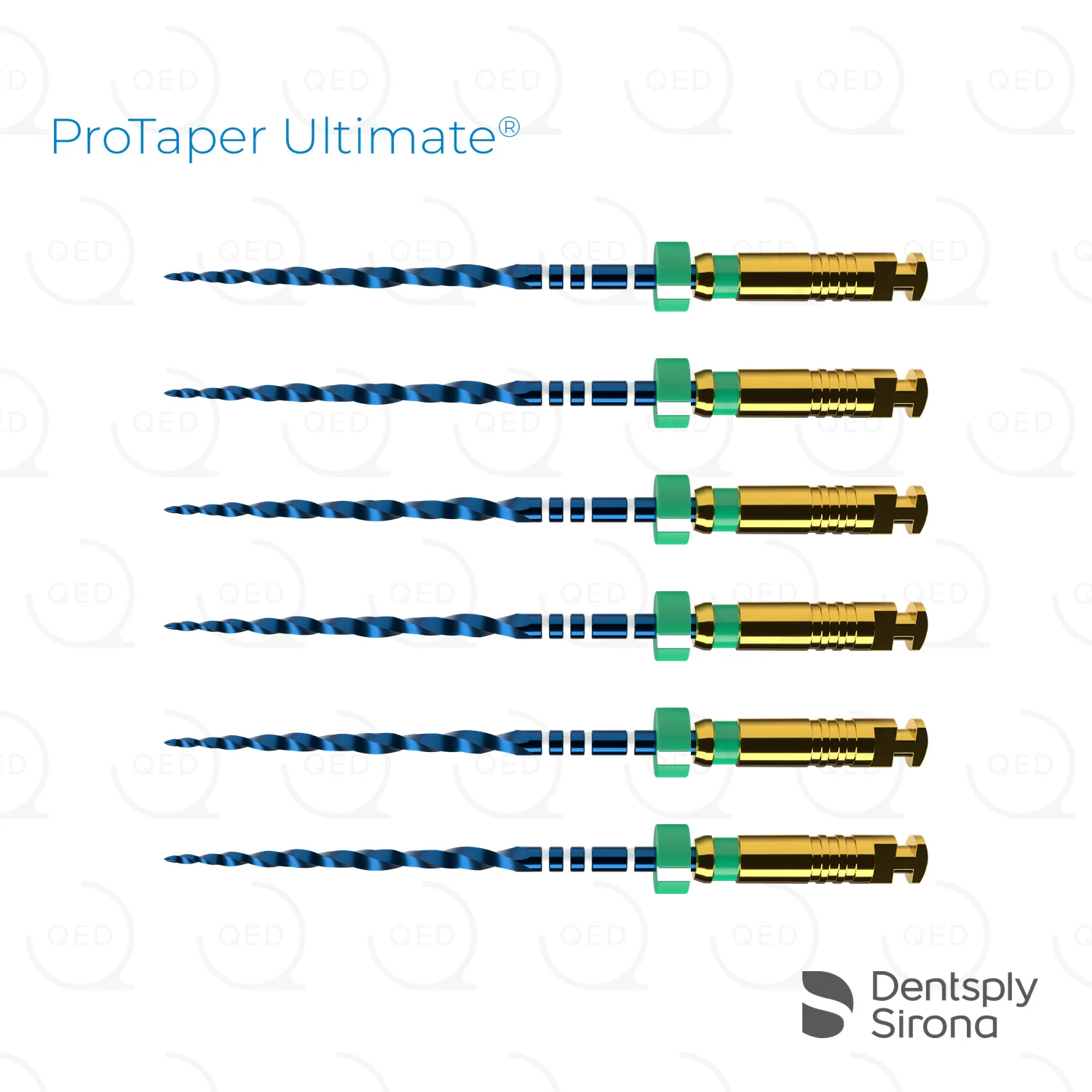
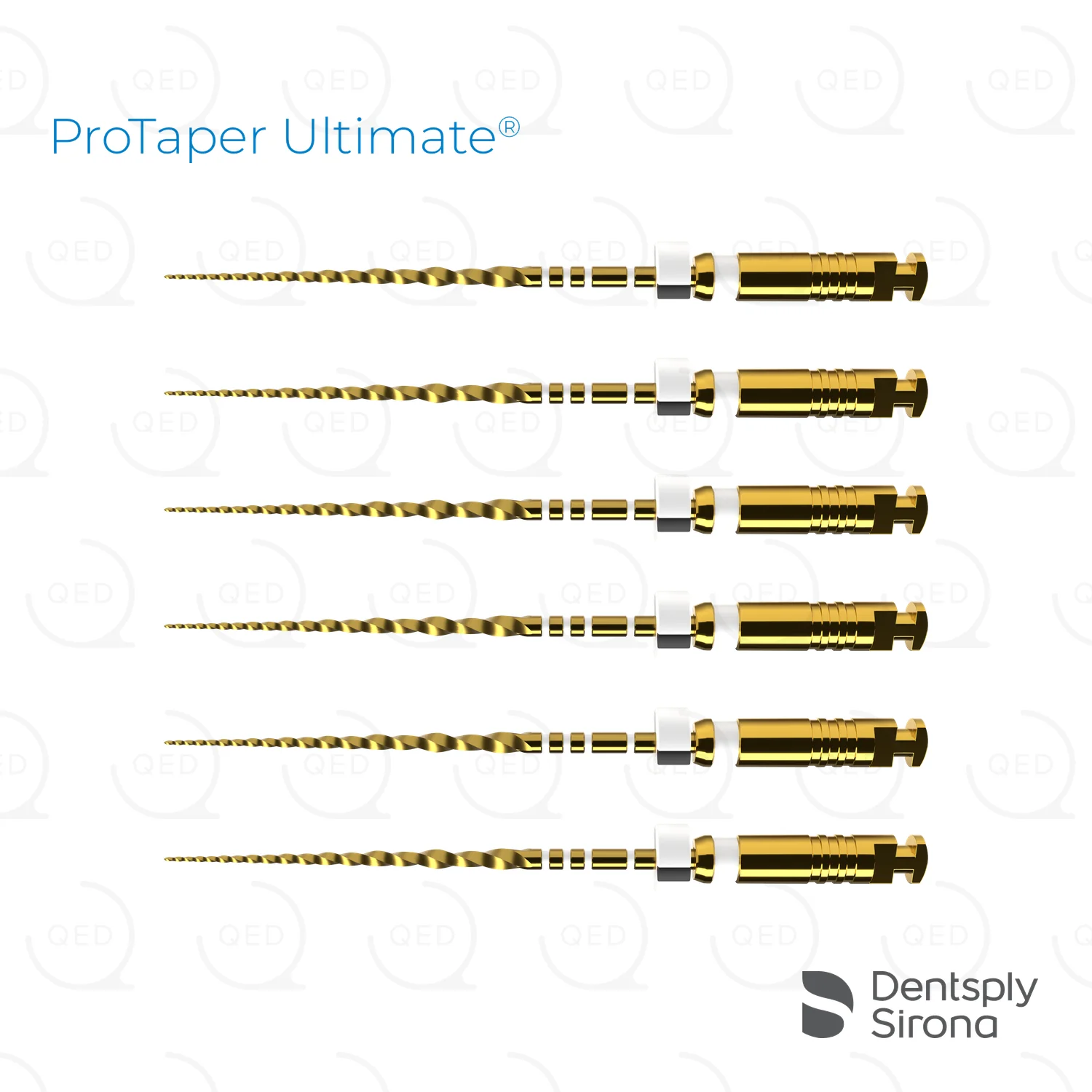


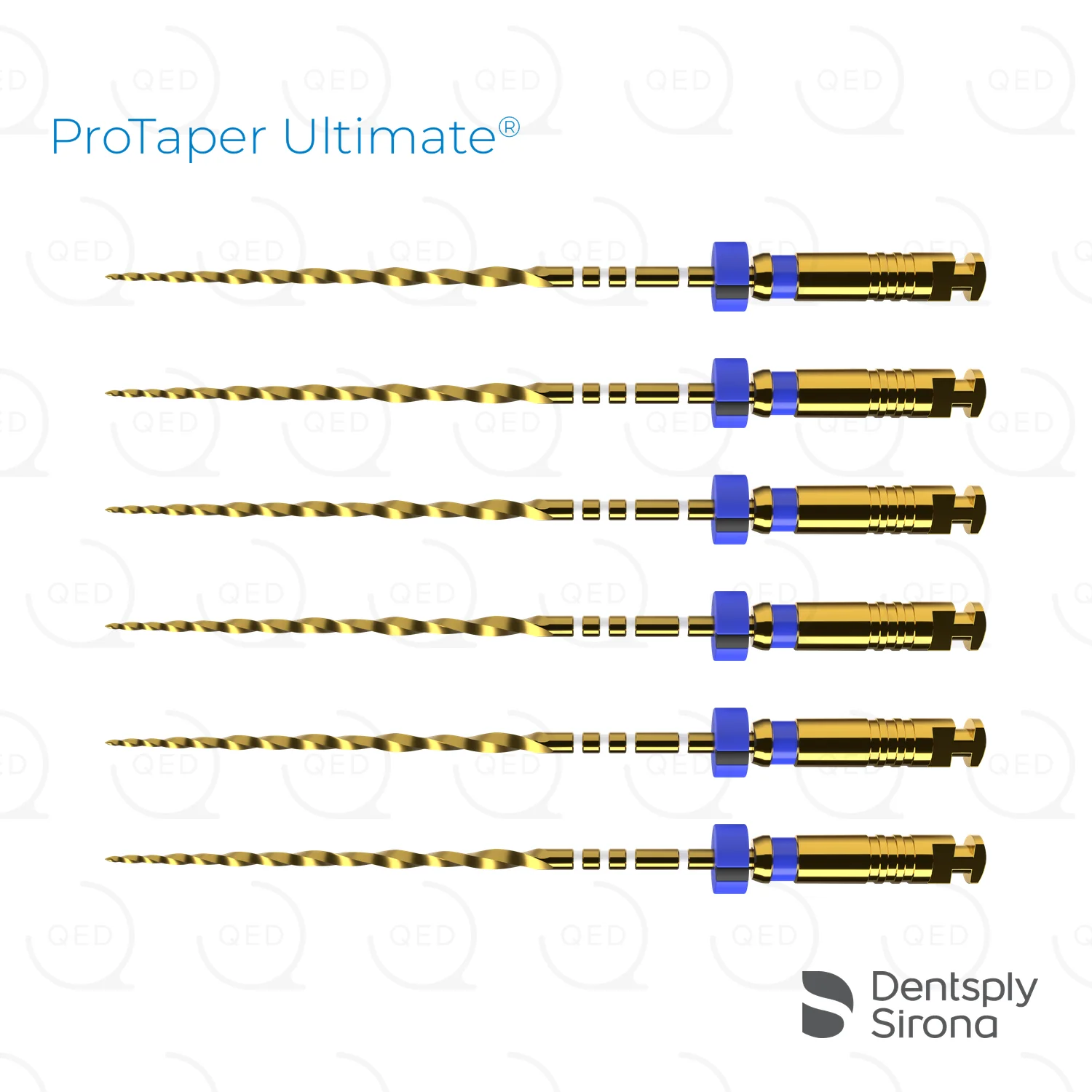





















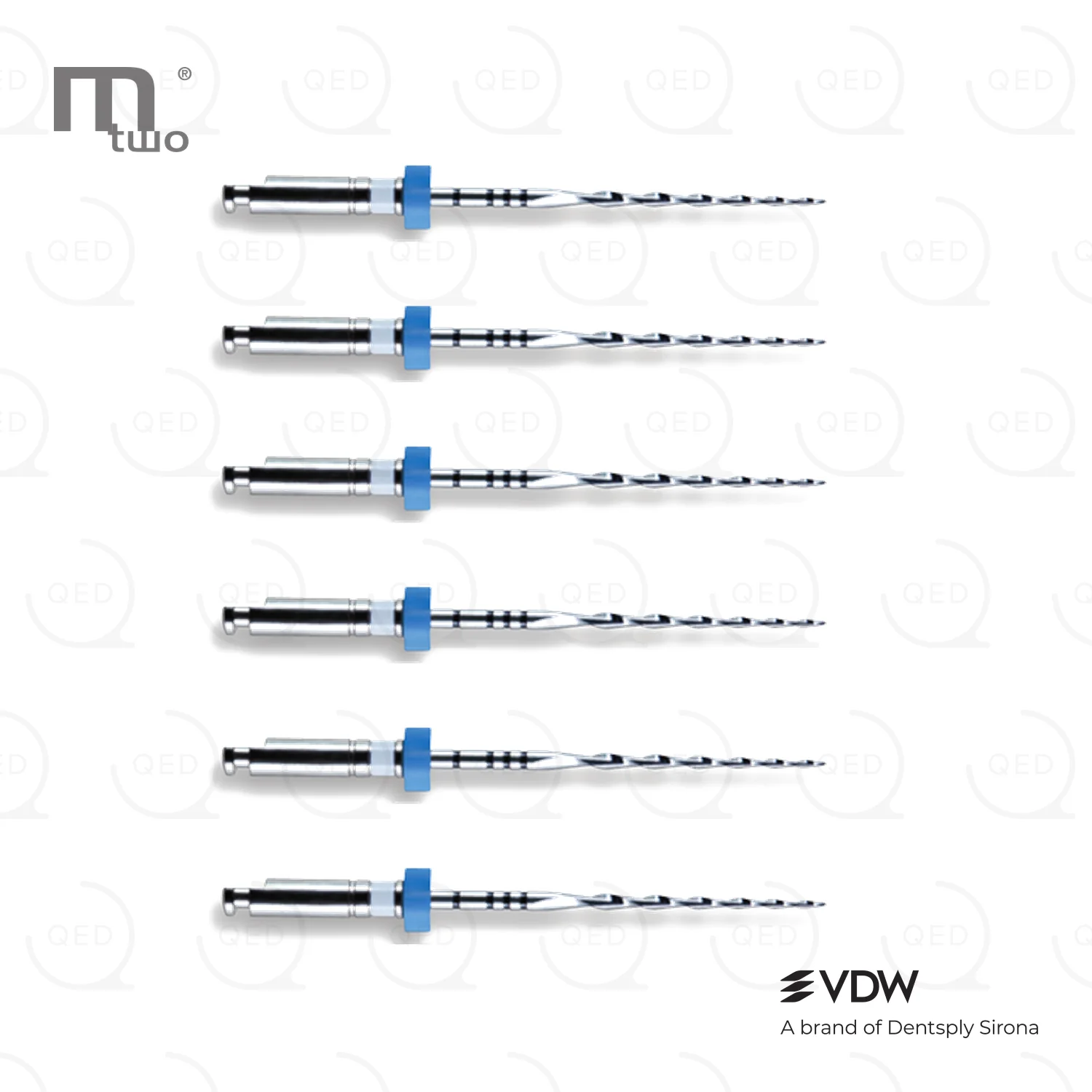
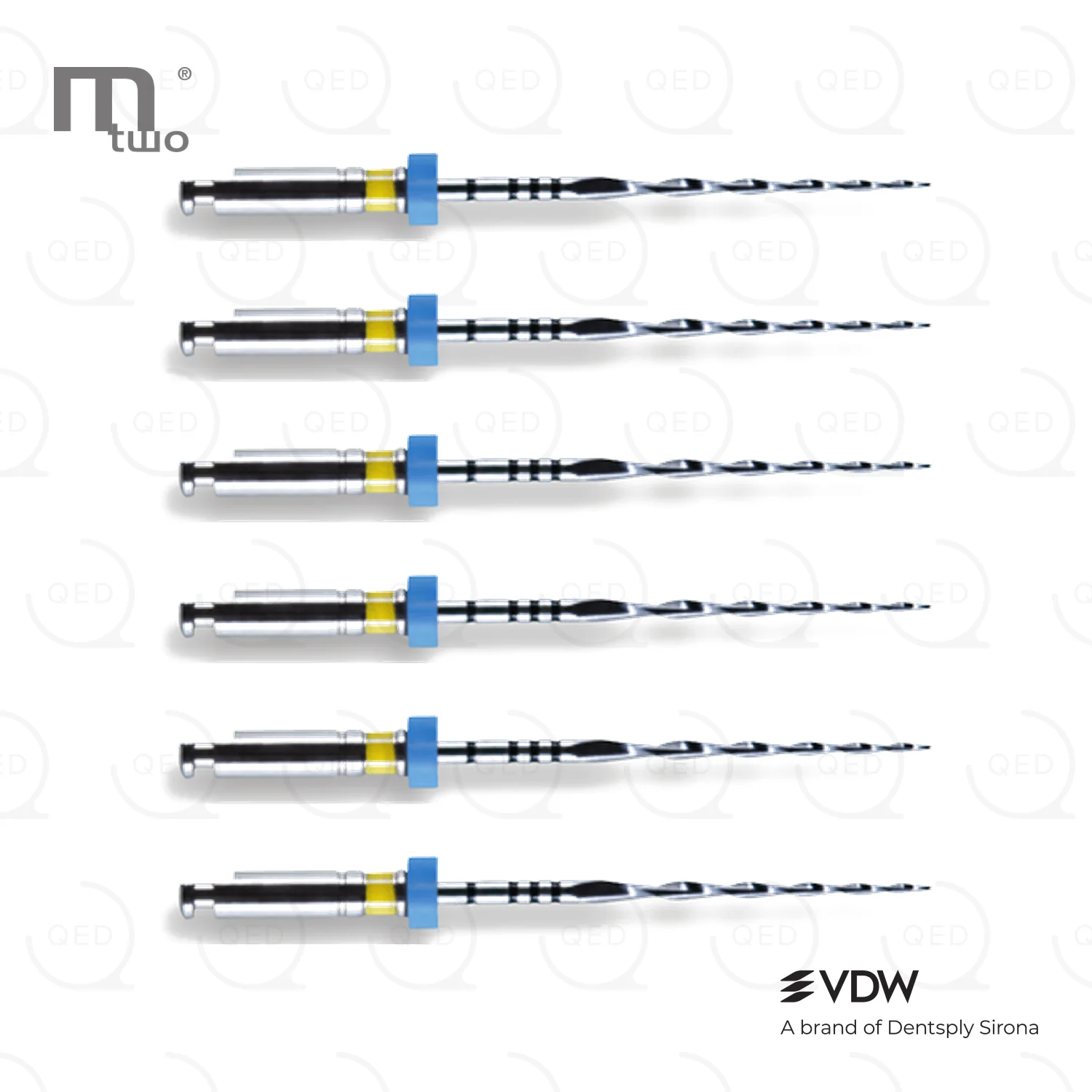
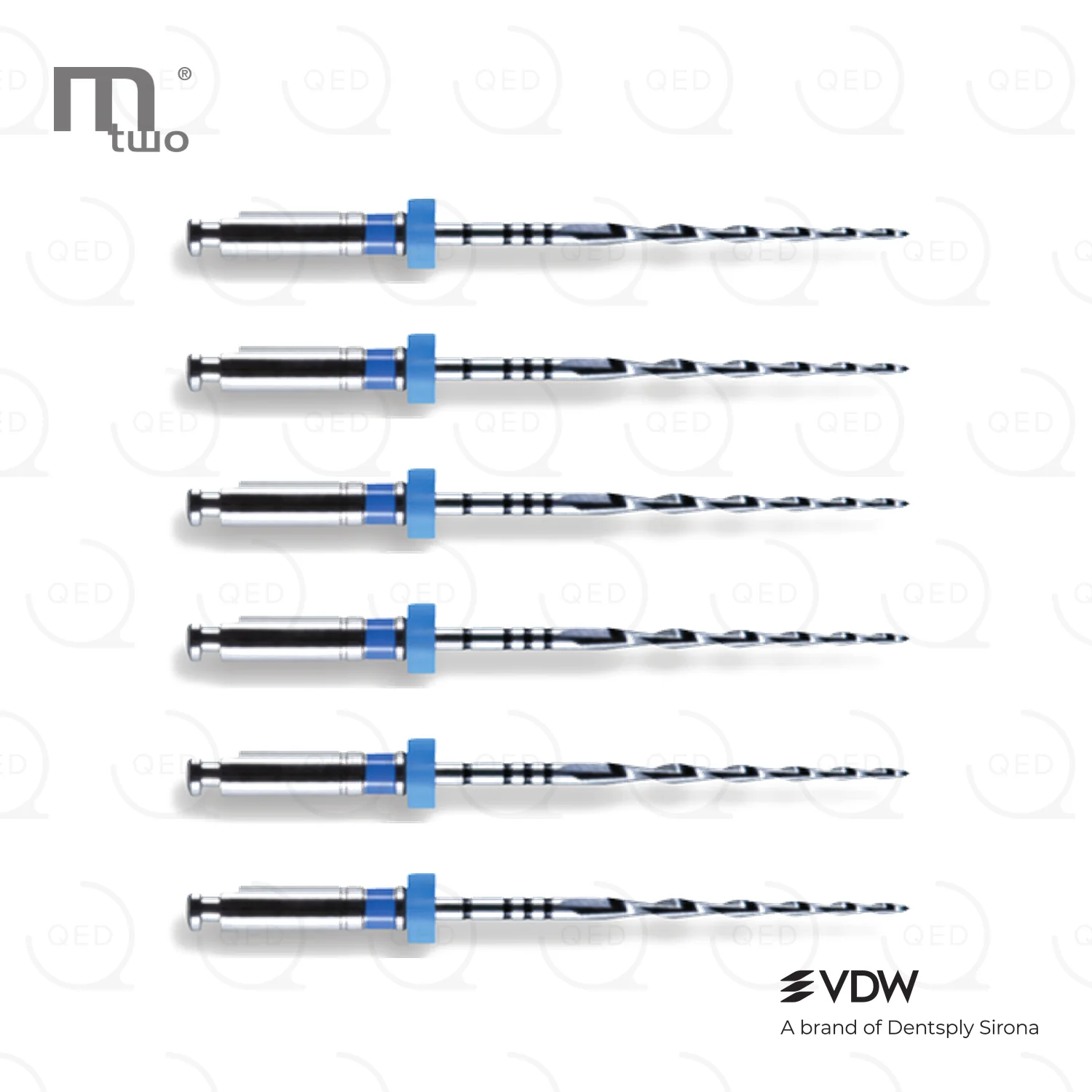

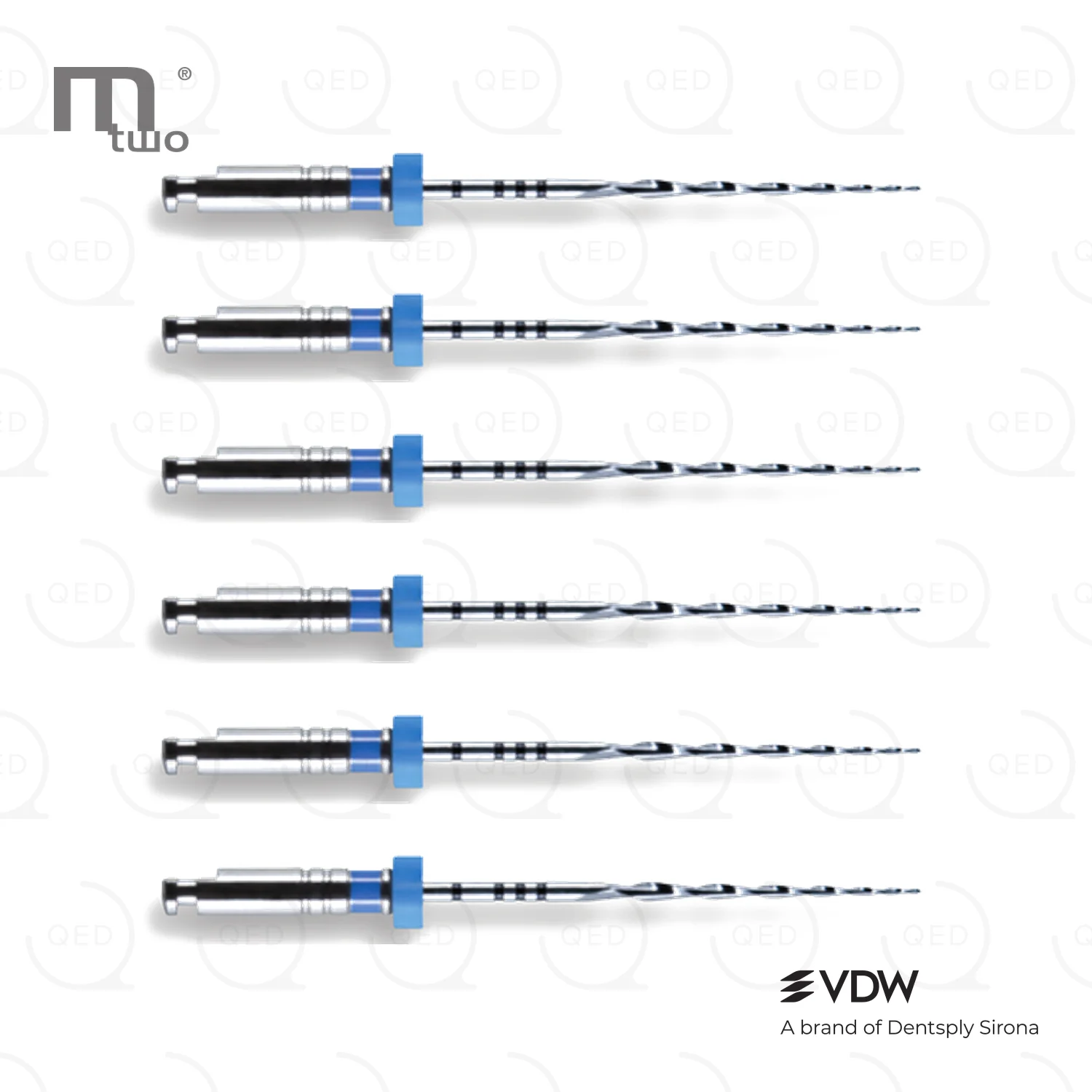
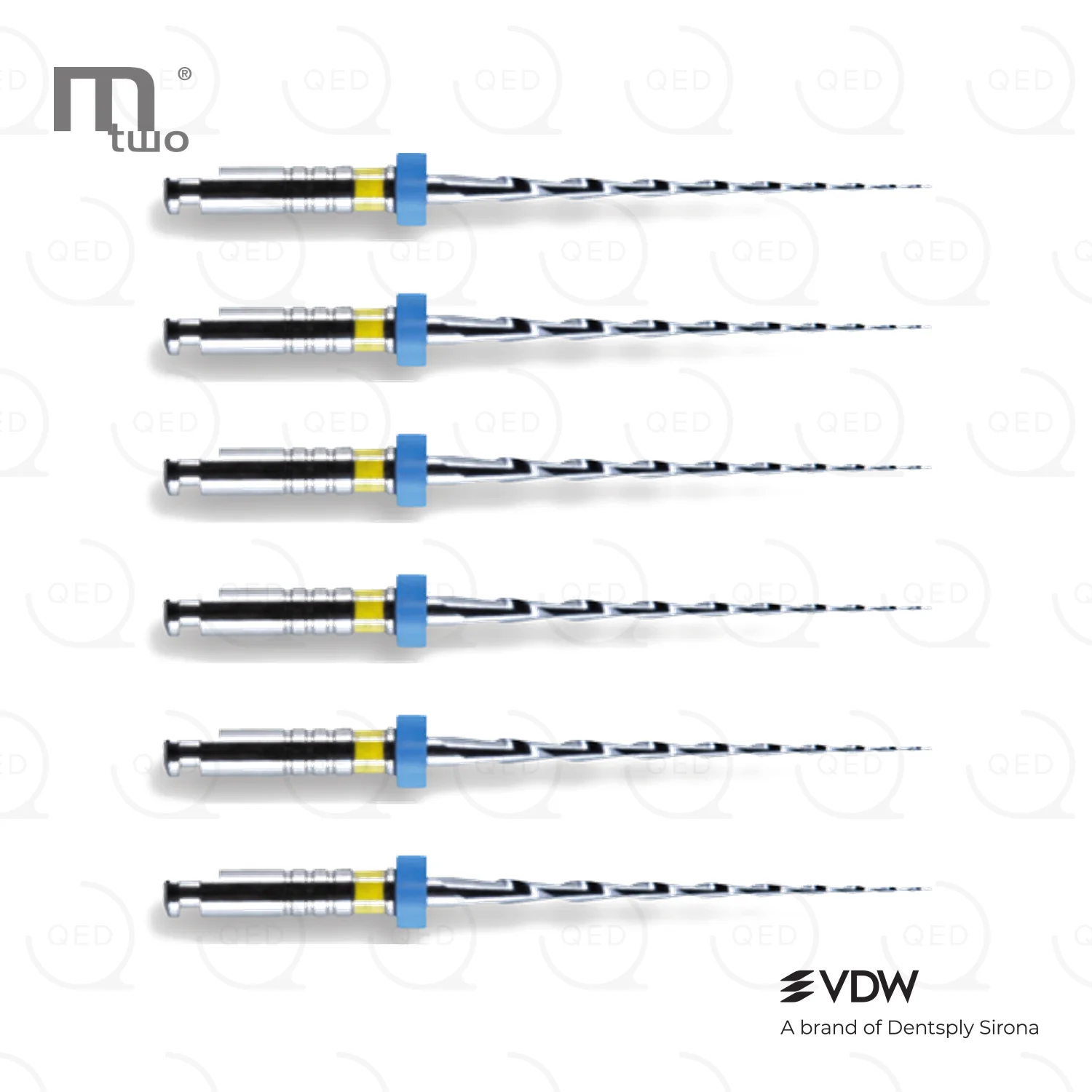
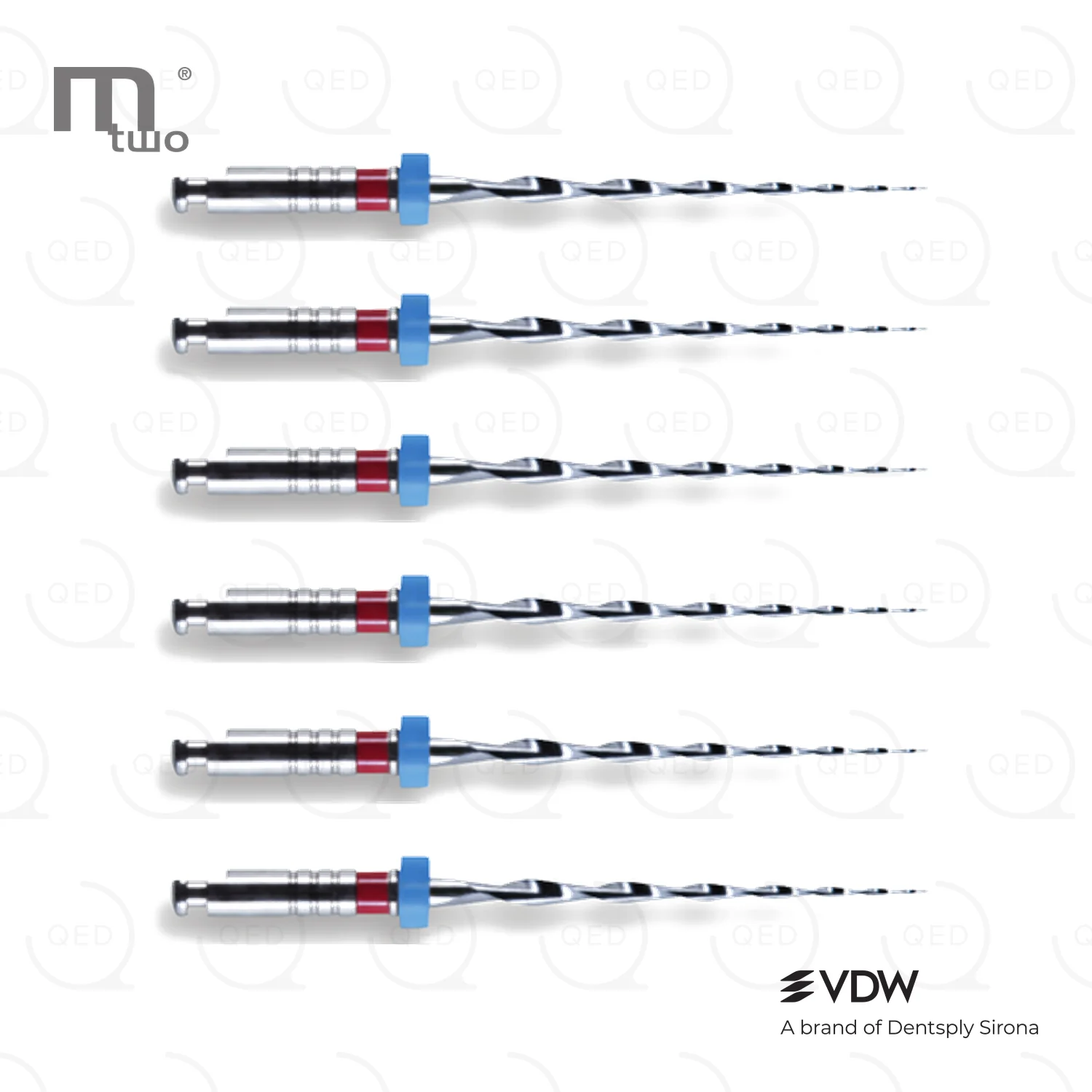

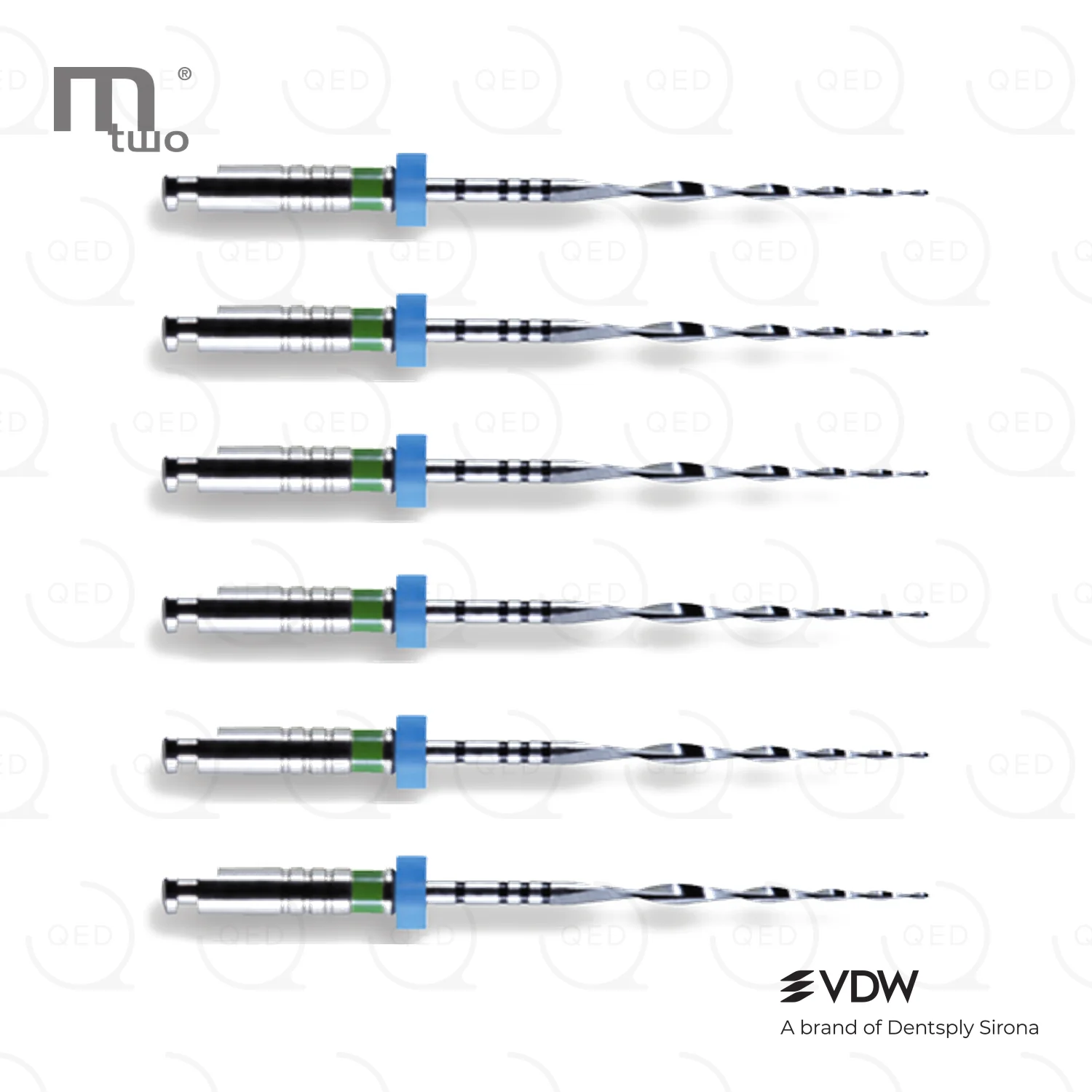
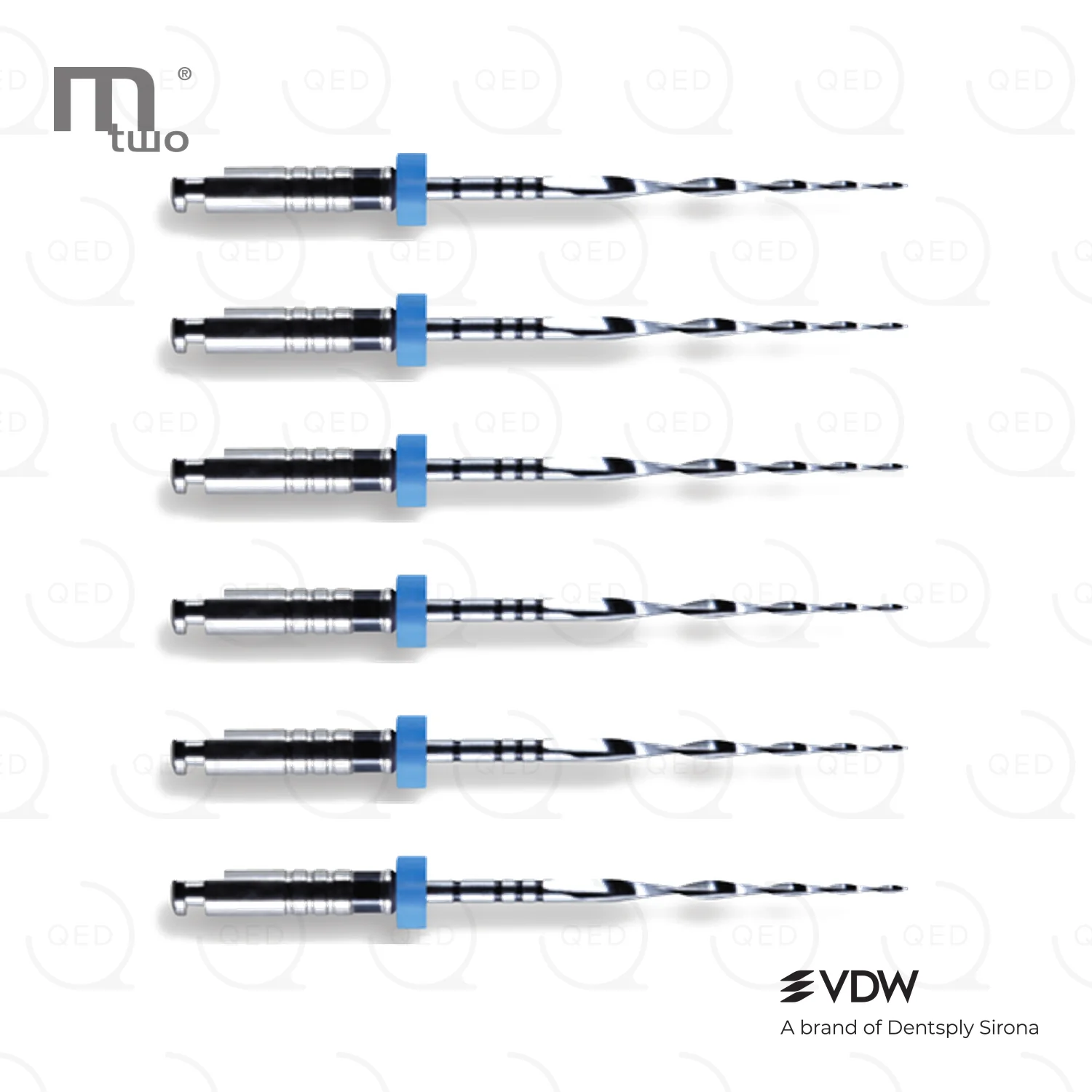









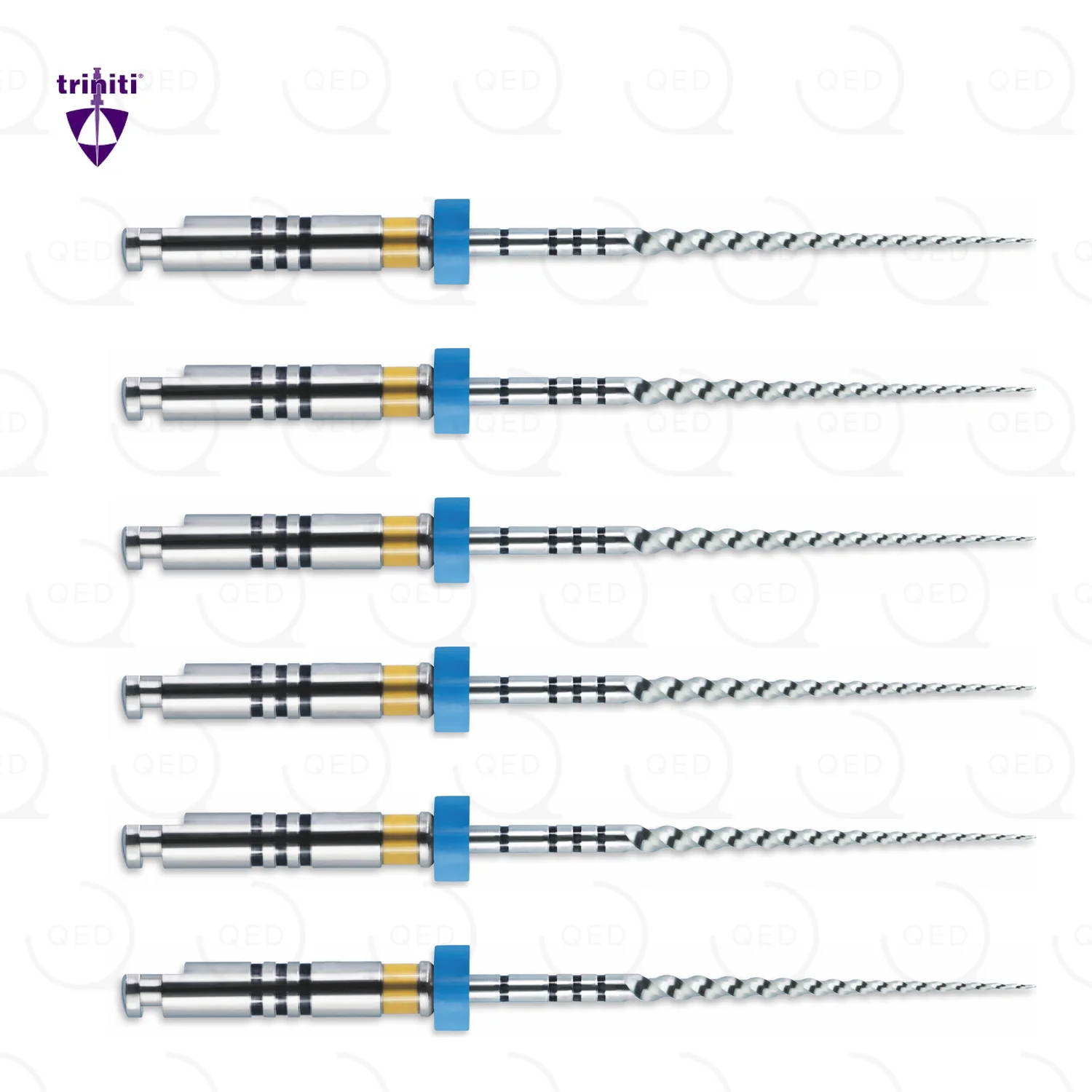

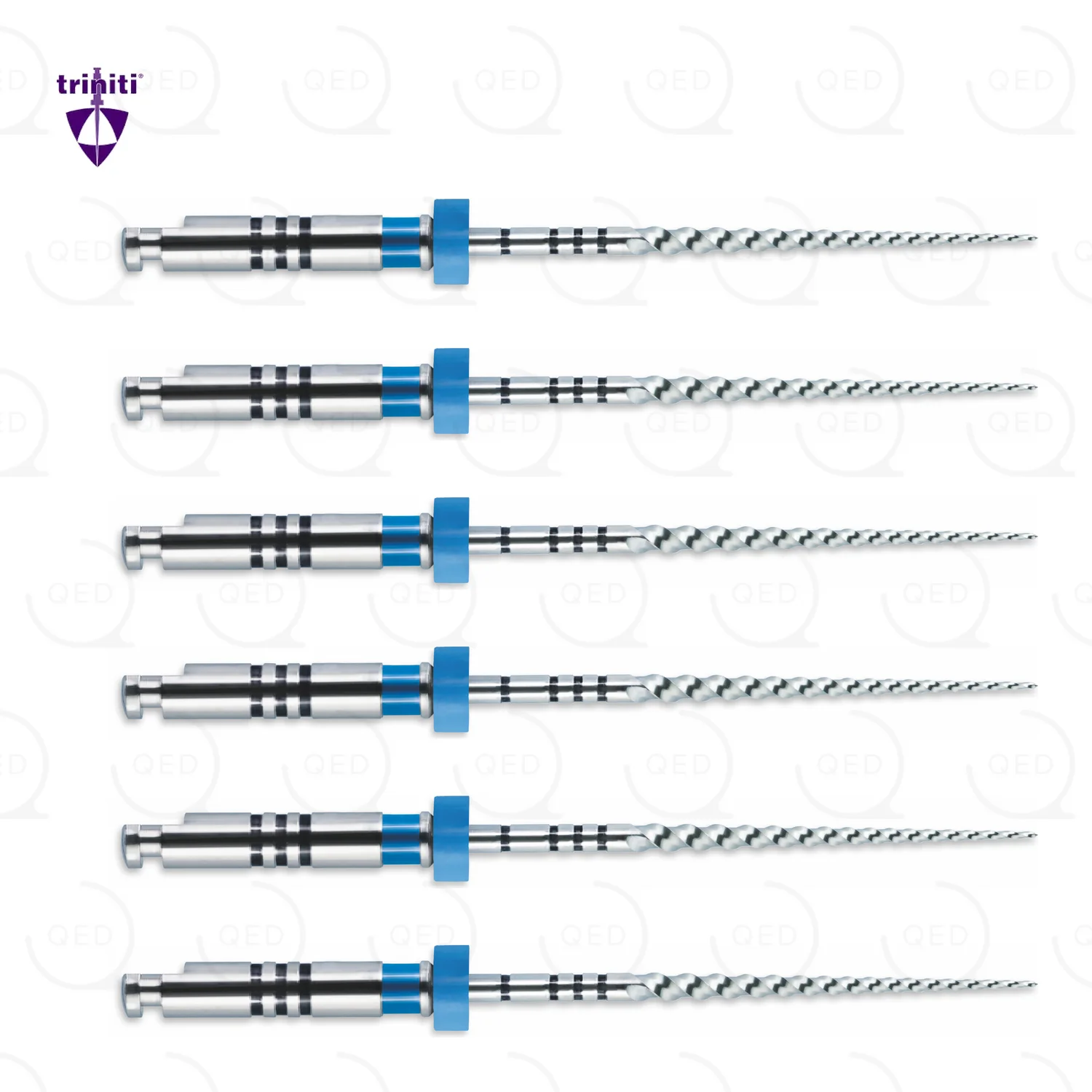
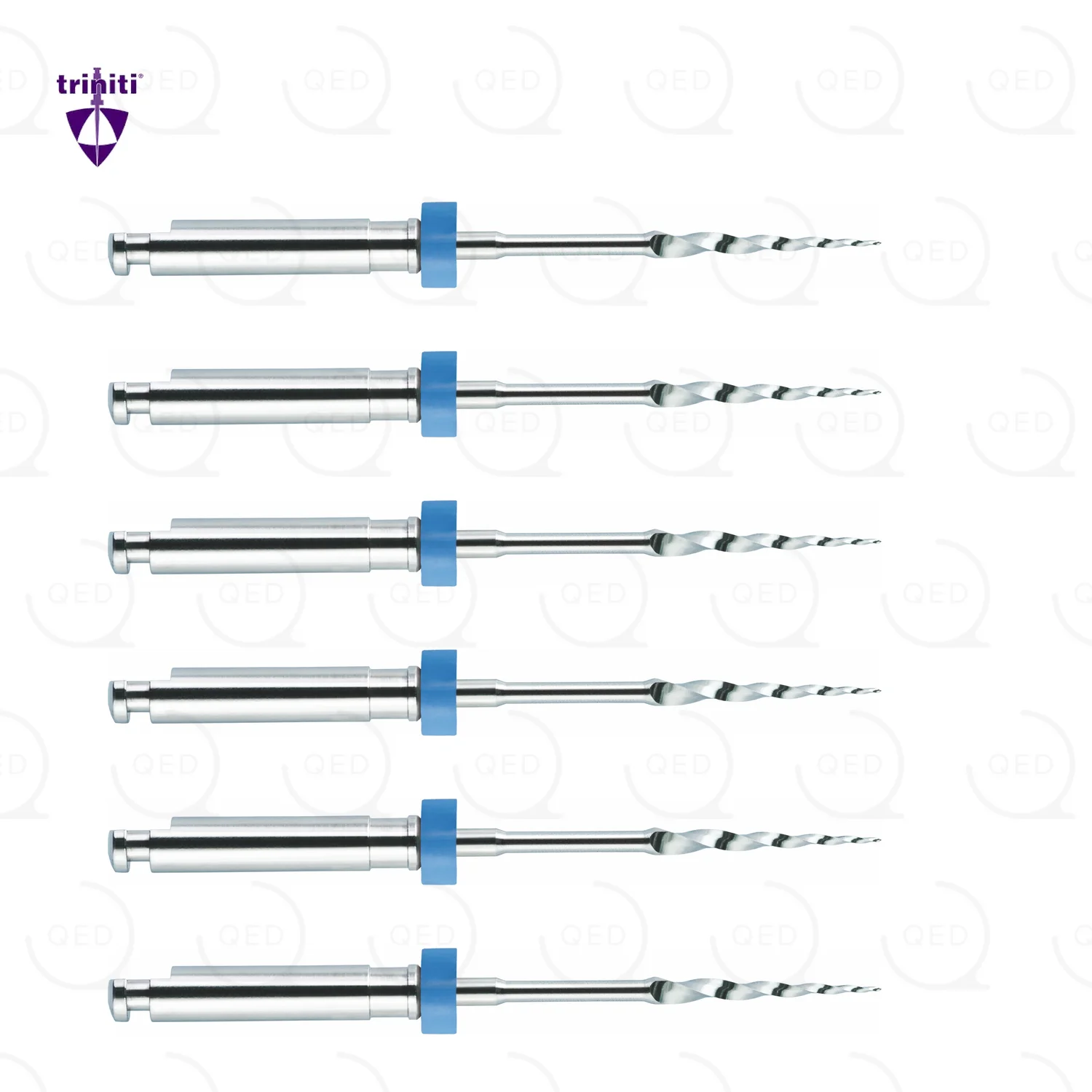
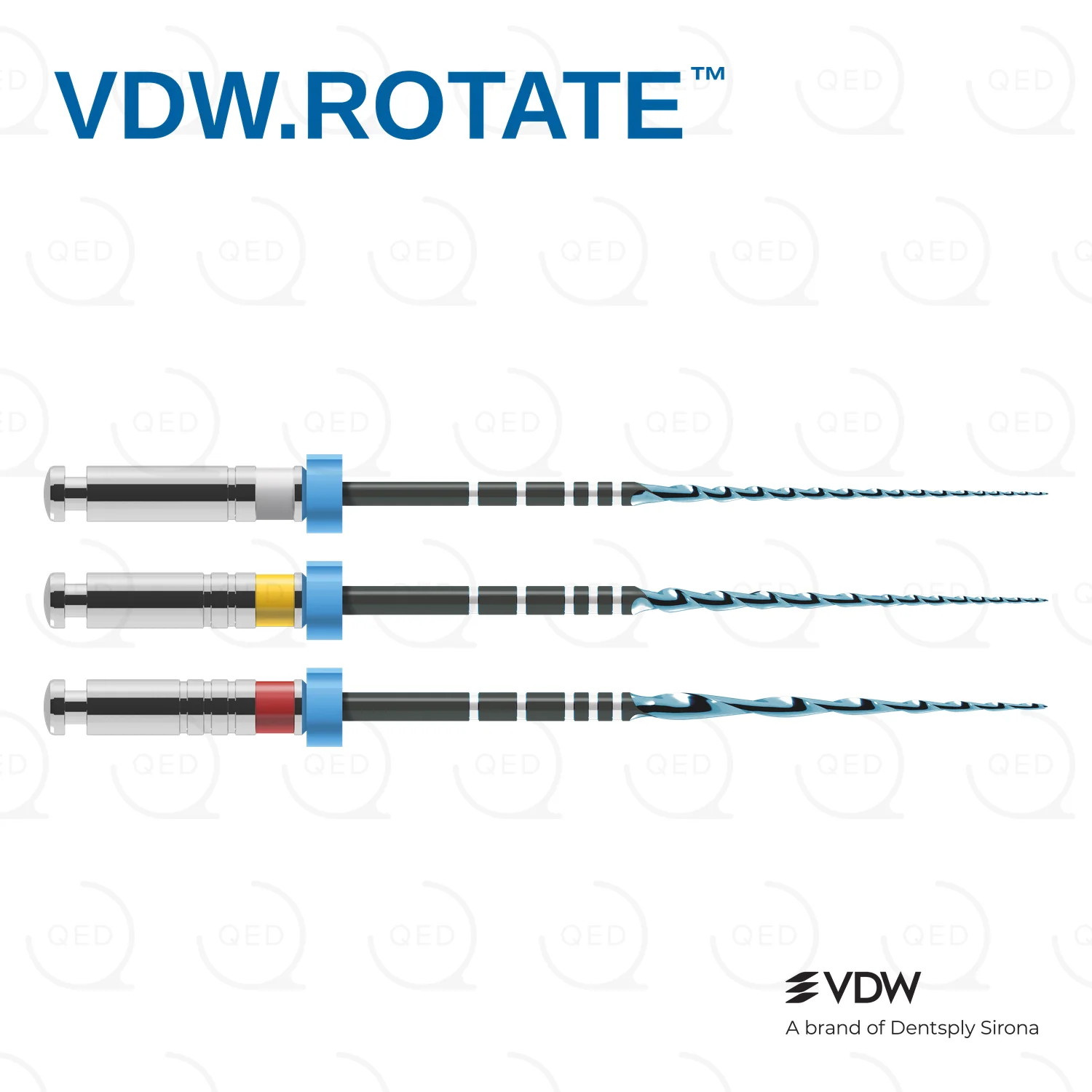

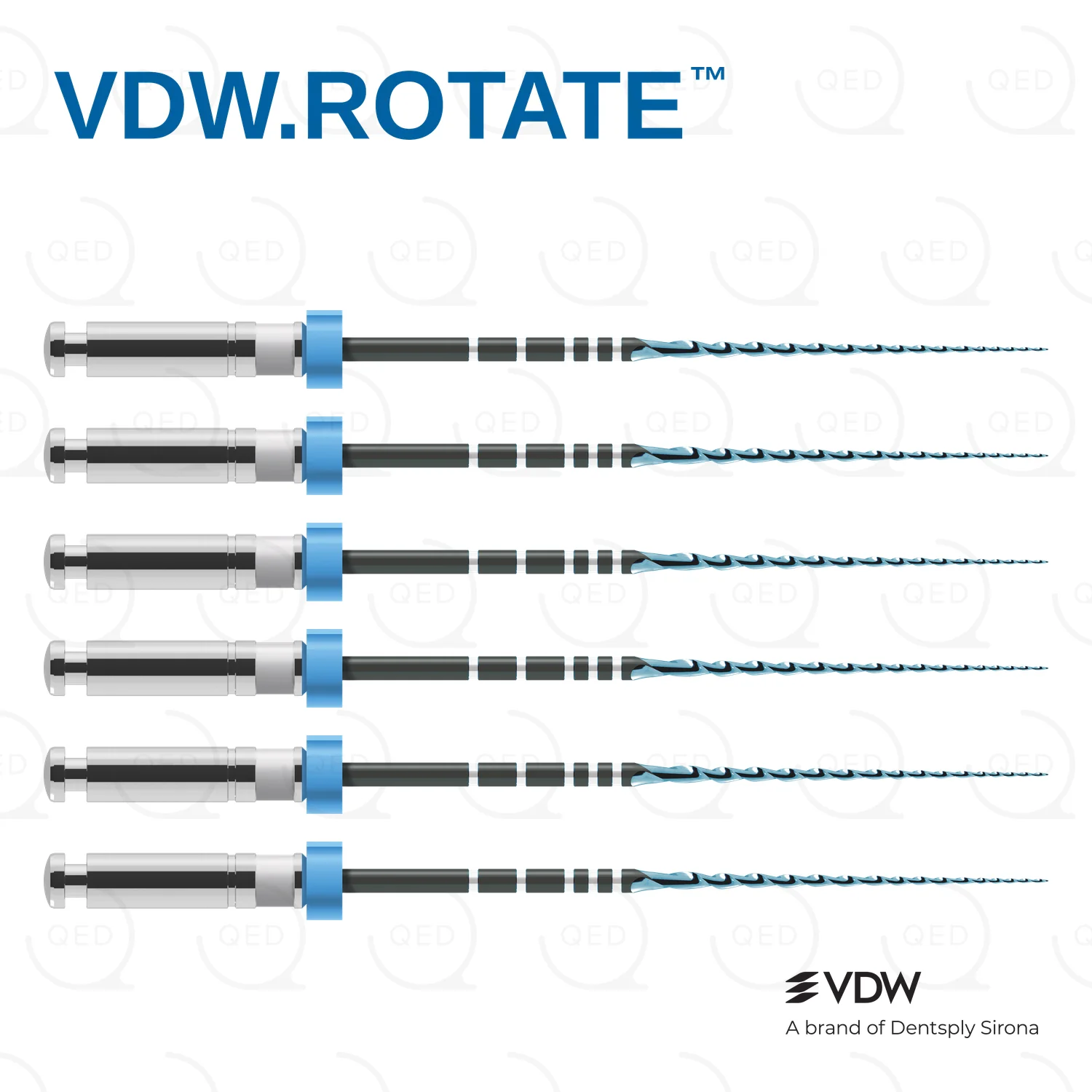
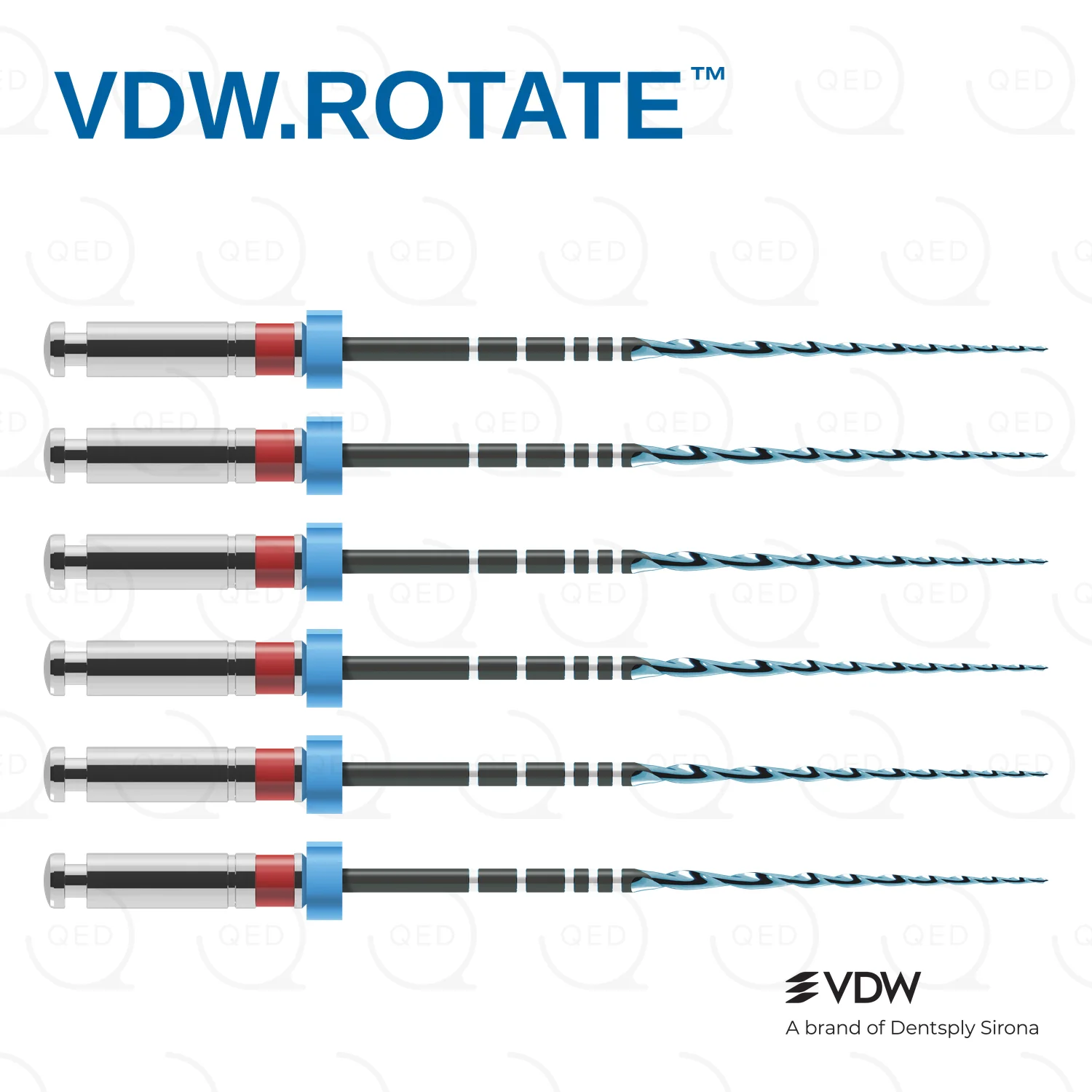

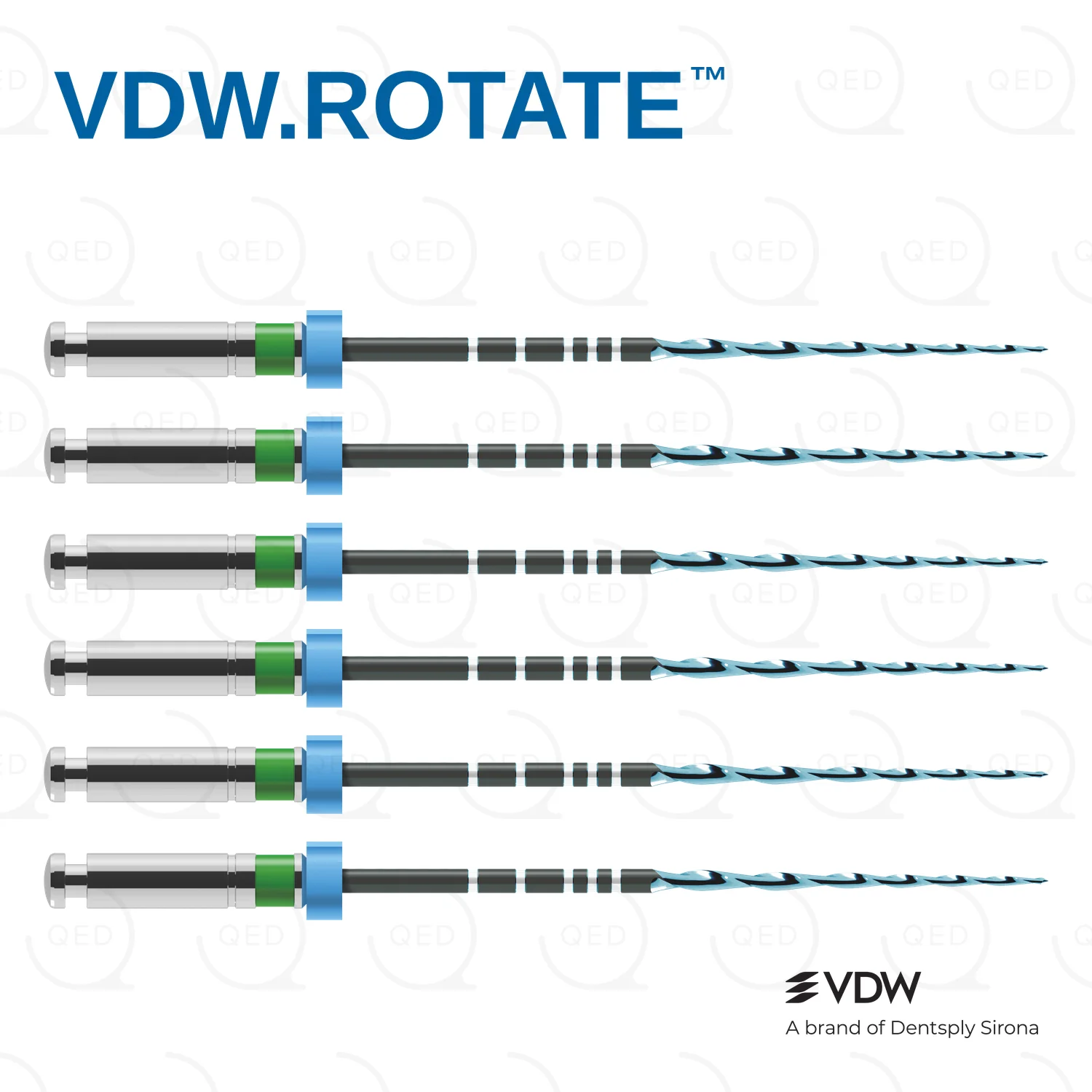
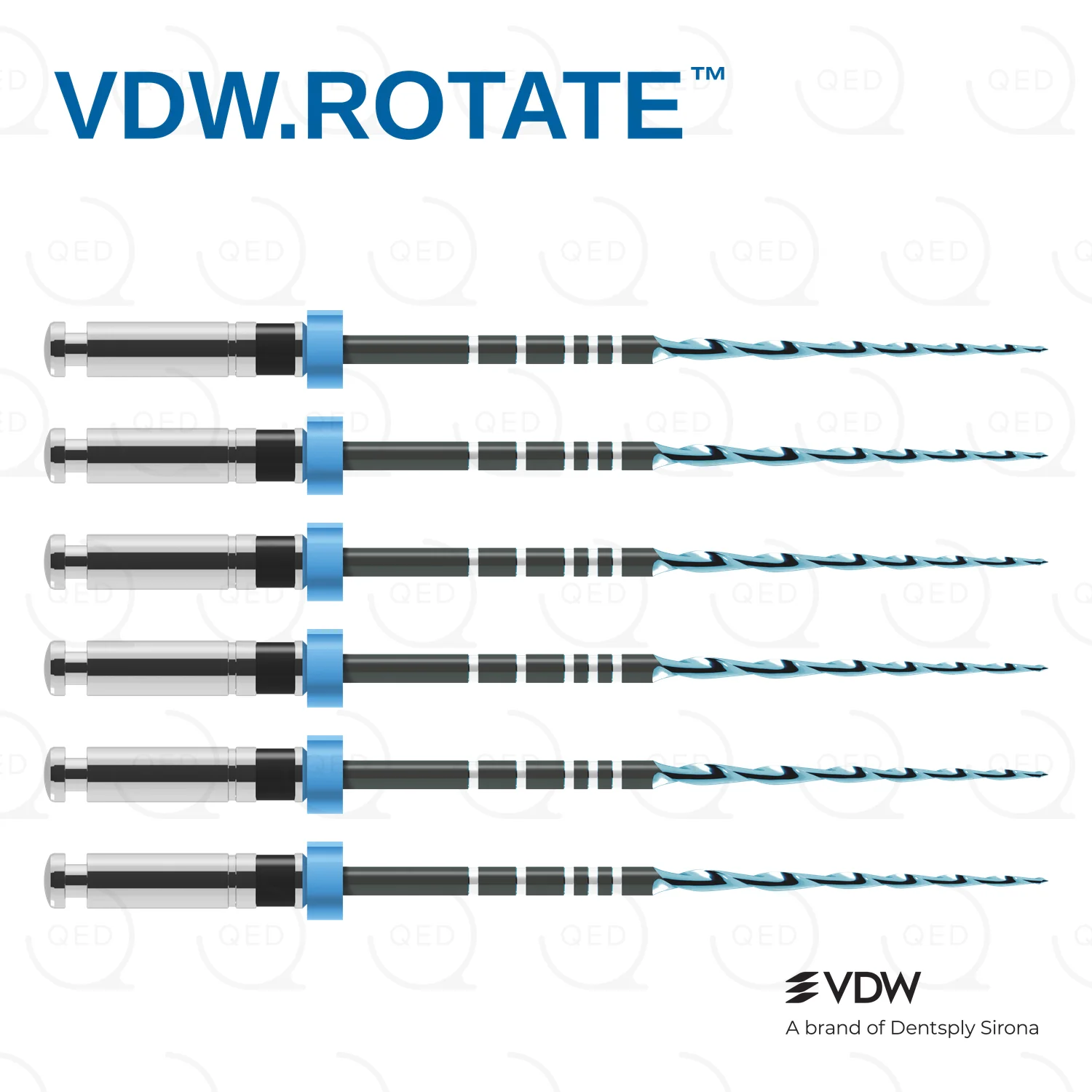








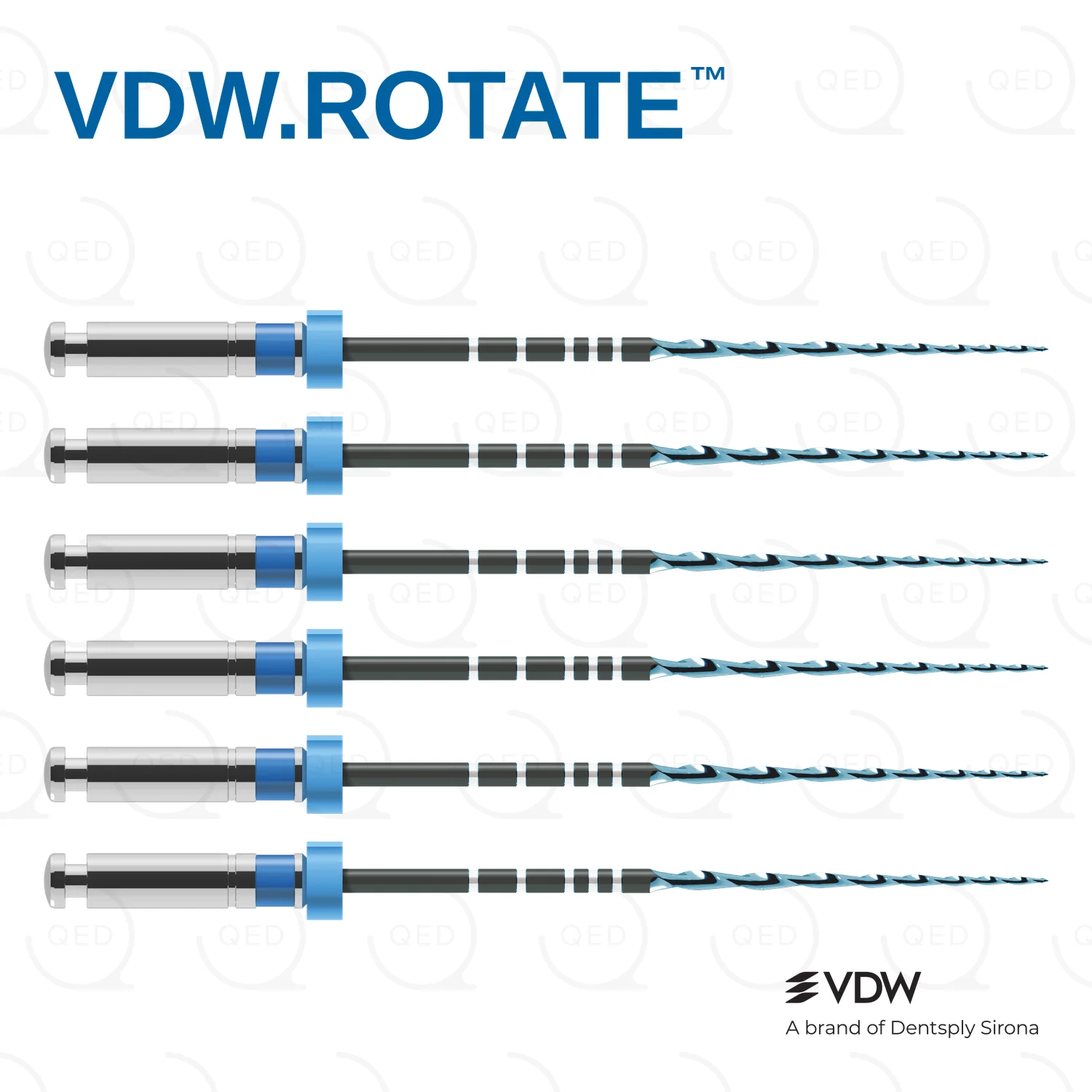
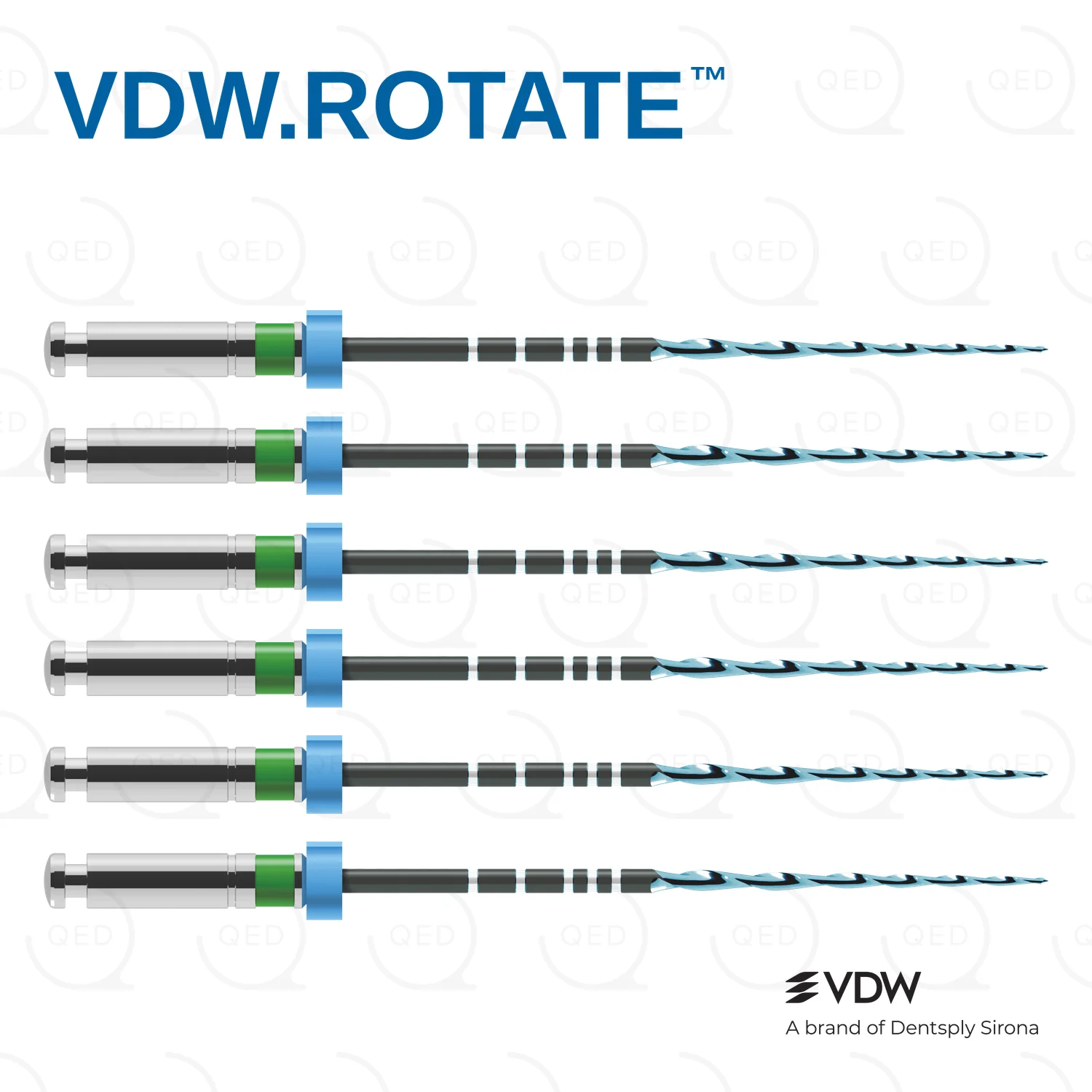


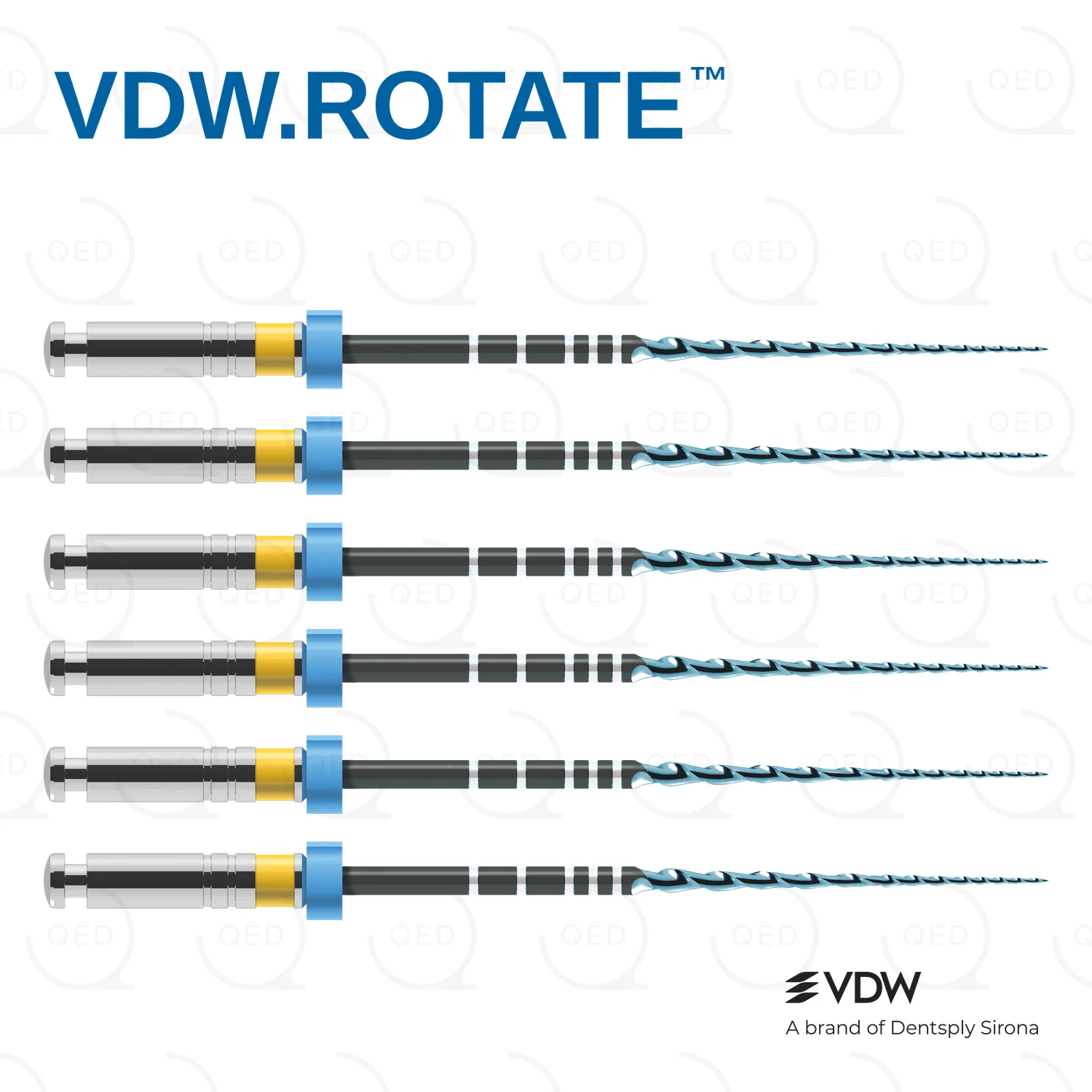

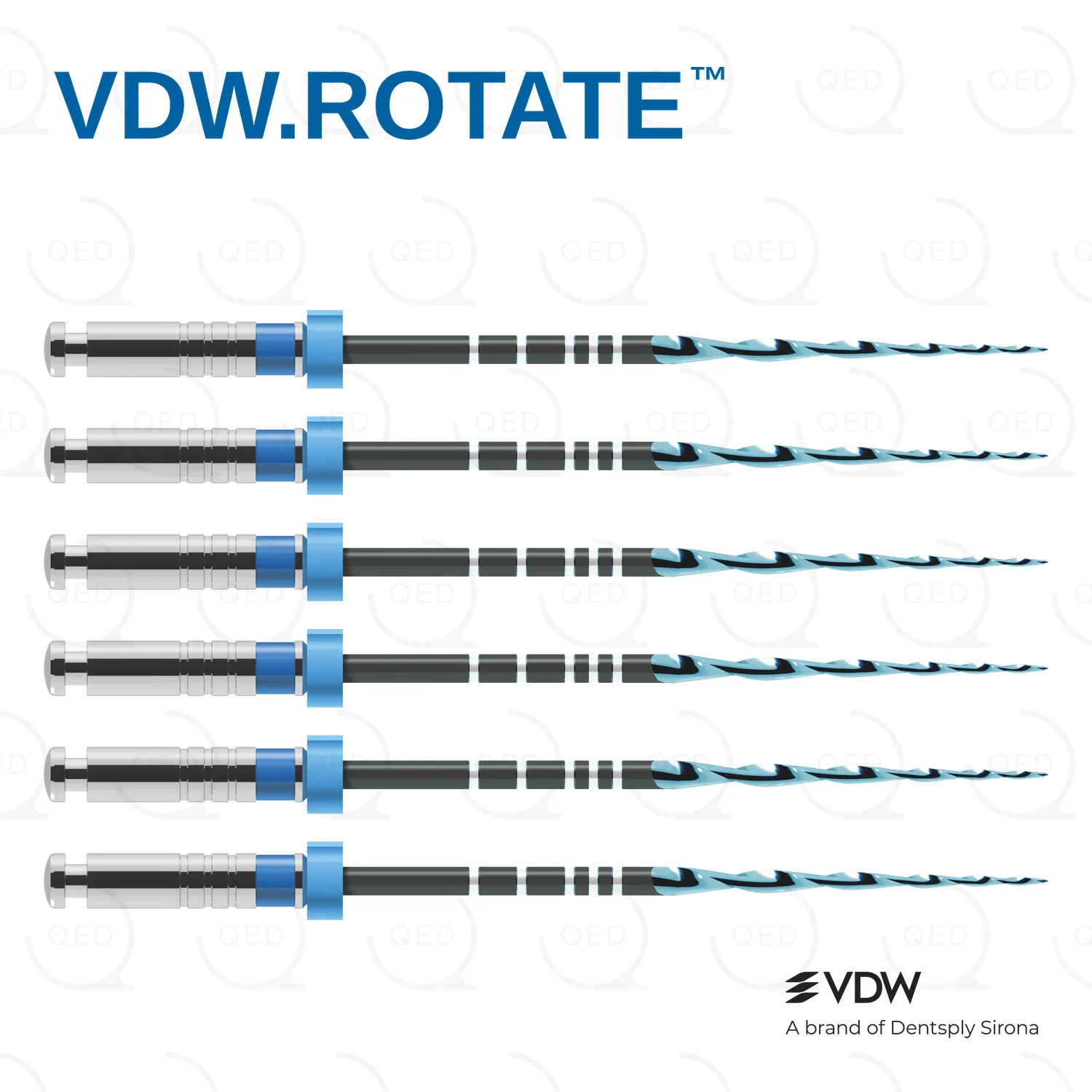


endo 3dp™ · #03 upper right first molar · pre-accessed
how do you teach mb2 when nobody can see what the file is doing? every extracted molar is a lottery, and the one tooth in the box with a teachable mb2 gets used once. the endo 3dp #03 is printed from scan data, so the same anatomy arrives every time – a three-rooted maxillary first molar with four canals, two of them in the mesiobuccal root. because the body is see-through, the isthmus, the lateral canal and the fin are visible from outside the tooth while the instrument is still in the canal.
this item: 1 × endo 3dp #03, upper right first molar (ur6), supplied pre-accessed
made by acadental, usa · mfr code 3d_ae601a_03rl
| four canals | three roots, four canals, two of them in the mesiobuccal root – the anatomy the mb2 lesson needs |
| isthmus and fin | acadental notes experience will be gained navigating an isthmus, a lateral canal and a fin |
| pre-accessed | the access cavity is already cut, so a session goes straight to cleaning and shaping |
| see-through | built so the whole canal system and pulp chamber stay visible while you work |
› printed from scan data – acadental's point is that only a select few natural teeth are teachable, and the same is true of printed ones; these are the ones they chose to standardise.
› radiolucent – this tooth is built to be looked at, not radiographed. if the exercise needs films, use the radiopaque x2 endo #03 instead.
› the mirror-image molar – #14 (ul6) covers the other side of the arch, with a different mix of easy and difficult roots.
can i take a radiograph of it?
no. the endo 3dp range is radiolucent, which is the trade-off for being see-through. for working-length films and post-obturation checks, the real-t endo #03 and x2 endo #03 are radiopaque throughout.
why is it already accessed?
so the tooth teaches one thing well. cleaning and shaping starts immediately, and the demonstrator's access is the same in every seat in the room. if cutting the access is the lesson, that is an x2 endo exercise.
does it mount in a typodont?
yes – the modupro endo kit takes replica or natural teeth in maxillary and mandibular modules. acadental changed the module generation in 2026 and the latest modules do not fit prior versions, so check which you have before ordering.
| mount it | modupro endo kit – modular typodont, magnetic modules |
| glide path | c-pilot assorted 25 mm – 006 to 015 for scouting mb2 |
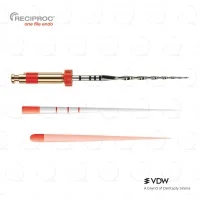
| shape it | reciproc blue system kit – the 24-file teaching kit |
| irrigate | skini syringe with navitip sideport |
| fill it | reciproc blue gp assorted – cones matched to the files above |
| seal it | neosealer flo – bioceramic sealer, 20 flex flo tips |
endo 3dp™ #03 · upper right first molar ur6 · three roots, four canals · pre-accessed · radiolucent · single hardness · acadental · ref aca-3dae601a03

endo 3dp™ · #09 upper left central · pre-accessed
where does a trainee learn that the apex is rarely a single hole? not on a straight plastic canal. the endo 3dp #09 is a maxillary central incisor with multiple terminuses in the apical third and a lateral canal in the mid-root section – the anatomy that explains, in one tooth, why irrigation matters as much as instrumentation. the see-through body means the lateral canal either takes up sealer in front of the class, or it does not.
this item: 1 × endo 3dp #09, upper left central incisor (ul1), supplied pre-accessed
made by acadental, usa · mfr code 3d_ae601a_09rl
| multiple terminuses | the canal branches in the apical third rather than ending at one foramen |
| mid-root lateral | a lateral canal in the mid-root section – visible proof of what a sealer does or does not reach |
| single canal body | straightforward to instrument, so the lesson stays on irrigation and obturation |
| see-through | built so the whole canal system stays visible while you work |
› an obturation tooth – a single, accessible canal with complex apical exit is about as clear a demonstration of hydraulics as a bench exercise gets.
› pre-accessed – the cavity is cut, so the session starts at cleaning and shaping.
› the lower equivalent – if you want a small, awkward incisor canal instead, the x2 endo #25 lower central is the radiopaque option.
will the lateral canal actually fill?
that is the exercise, and it is why the tooth is see-through – you can compare a warm vertical technique against single cone and let the tooth settle the argument.
can i radiograph it?
no – the endo 3dp range is radiolucent. for films, use the radiopaque real-t endo #08 or x2 endo #09.
is one tooth enough for a course?
most course leaders pair an incisor with a molar – #19 or #30 – so delegates meet an easy case and a hard one in the same session.
| mount it | modupro endo kit – maxillary and mandibular modules |
| glide path | c-pilot assorted 21 mm – the shorter set for anteriors |
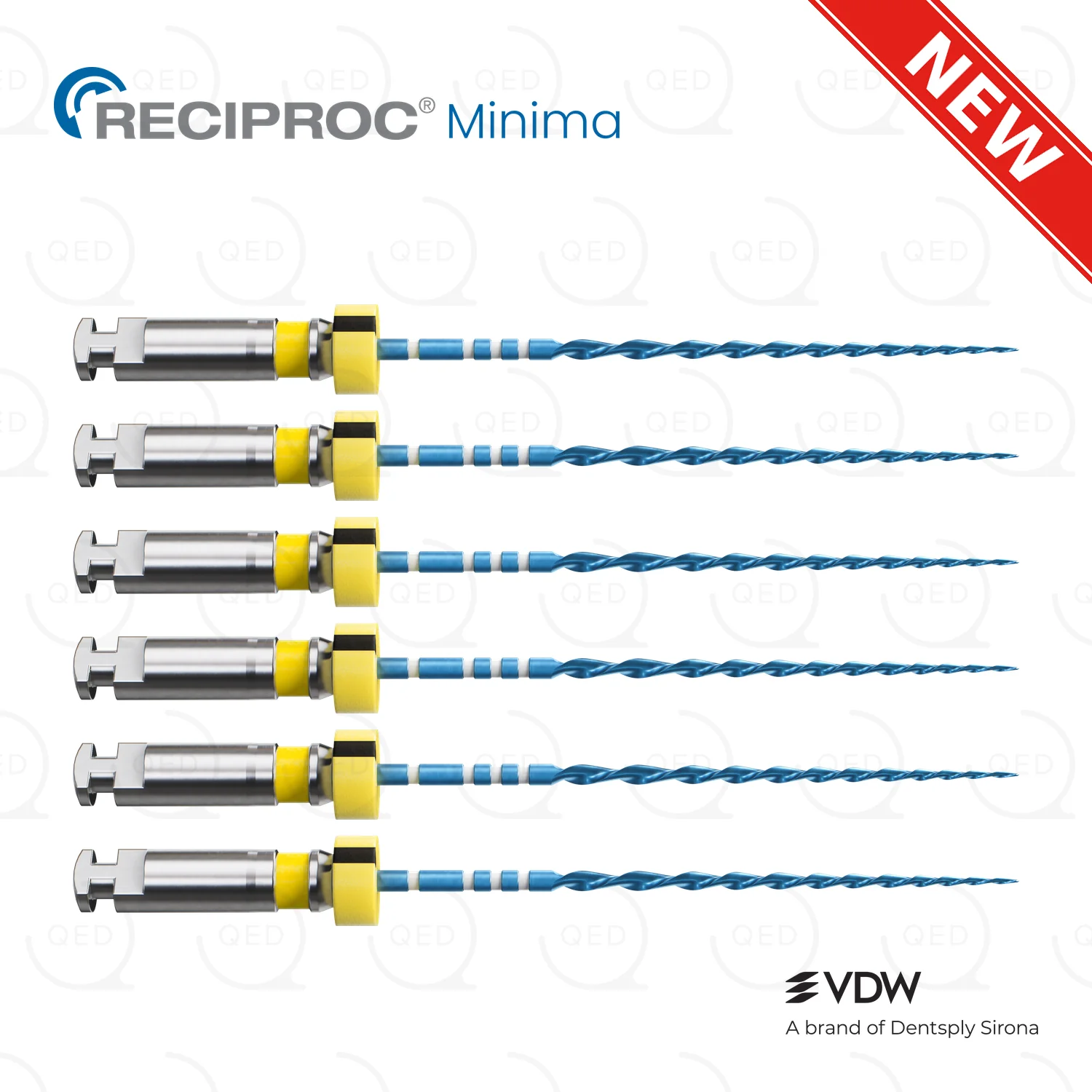
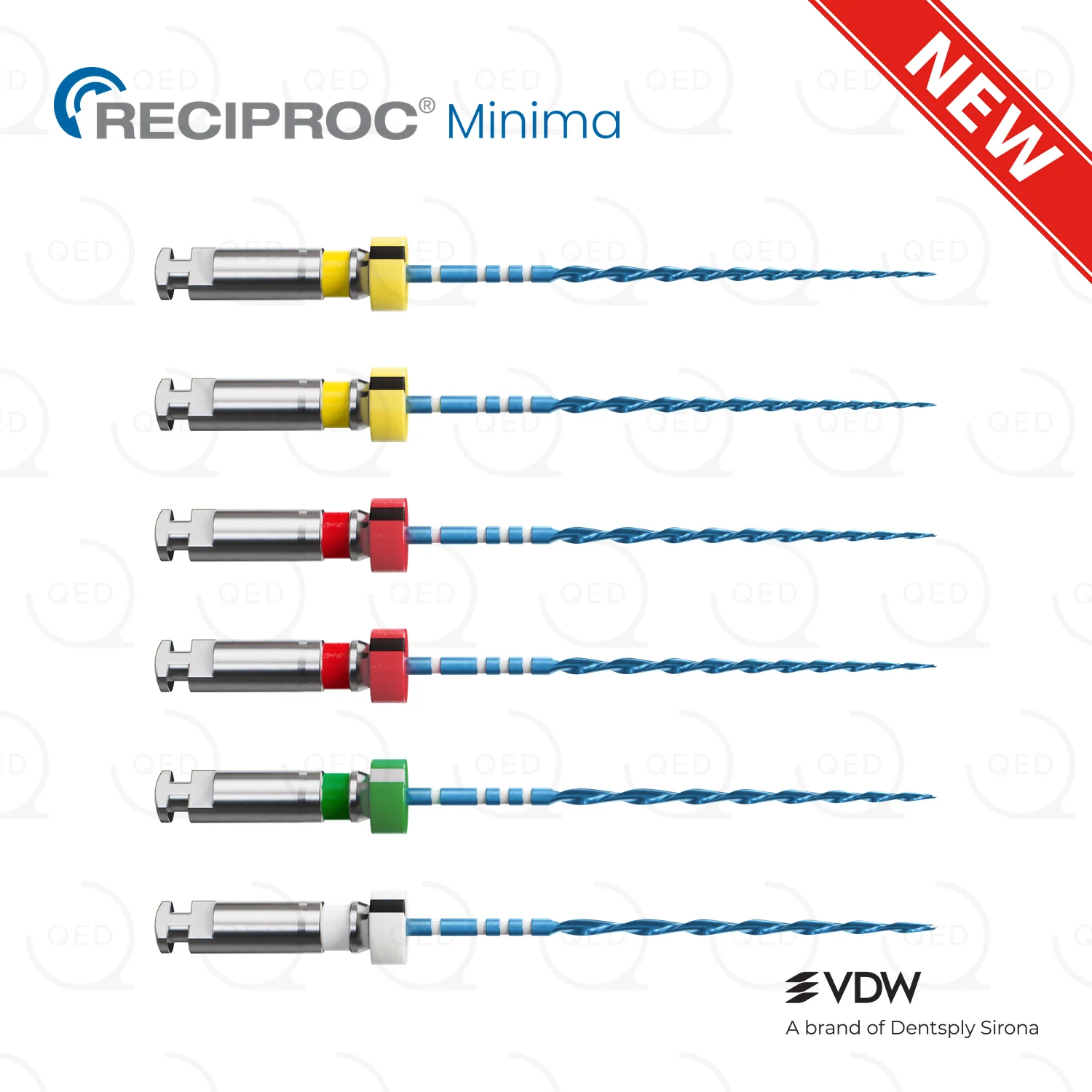
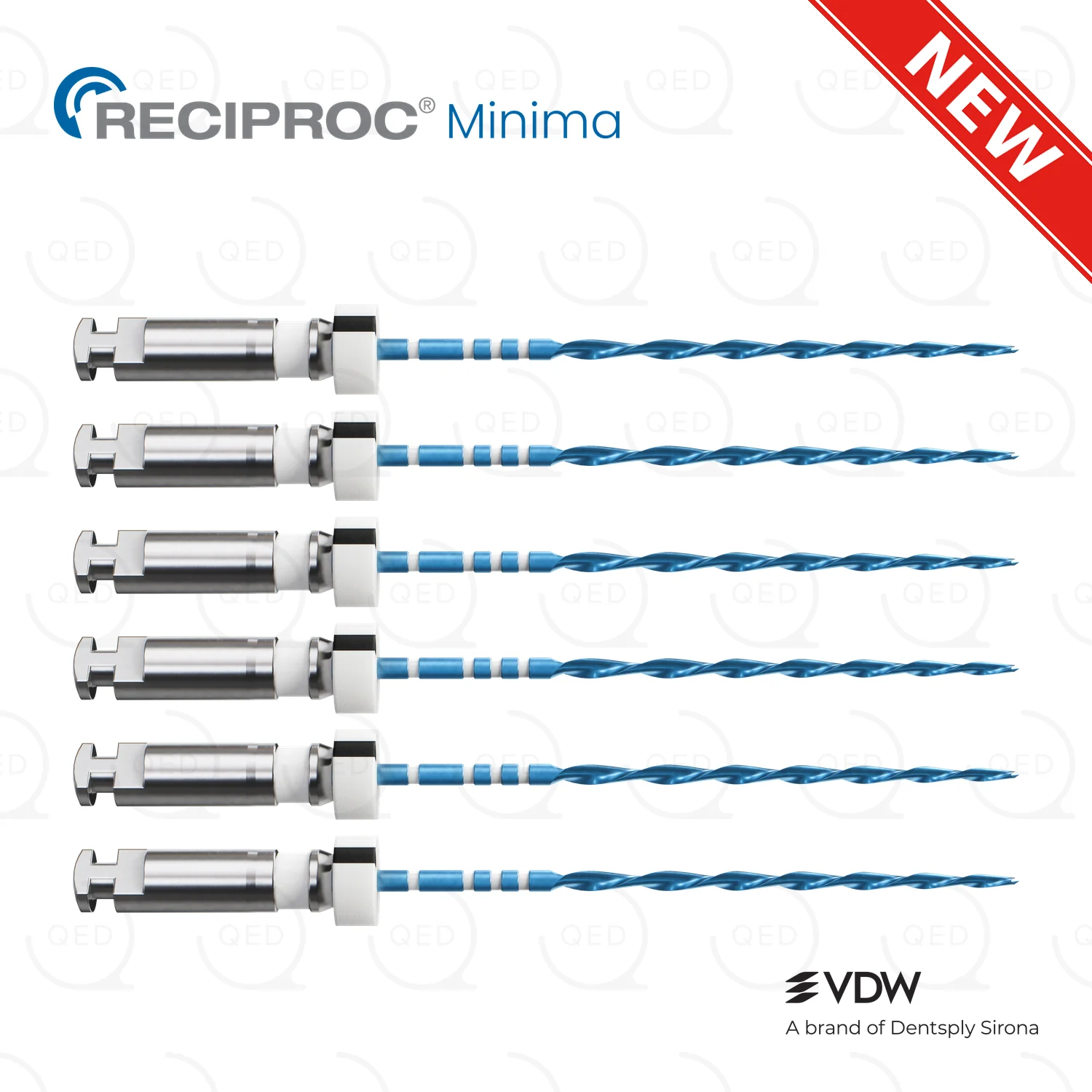
| shape it | reciproc minima assorted – single-file reciprocation |
| dry it | minima paper points – the points matched to those files |
| fill it | minima conform fit® gp – the matching cones |
| seal it | neosealer flo – bioceramic sealer with flex flo tips |
endo 3dp™ #09 · upper left central incisor ul1 · multiple apical terminuses · mid-root lateral canal · pre-accessed · radiolucent · acadental · ref aca-3dae601a09rl

endo 3dp™ · #11 upper left canine · pre-accessed
is a wide canal the easy case, or the one that catches people out? both, which is why the maxillary canine earns its place on a course bench. the endo 3dp #11 is a single-rooted upper left canine with a type i configuration and, in acadental's words, an extensive and challenging large canal space for intricate cleaning and obturation techniques. wide means the walls are hard to touch with a file, and a single cone rattles. everything a trainee needs to learn about hydraulics and vertical condensation happens here, in full view.
this item: 1 × endo 3dp #11, upper left canine (ul3), supplied pre-accessed
made by acadental, usa · mfr code 3d_ae601a_11rl
| type i canal | one canal, one foramen – a clean single-canal case with no branching to complicate the lesson |
| large canal space | acadental's own description: extensive and challenging, for intricate cleaning and obturation technique |
| longest root | the canine is the longest tooth in the arch – useful for length control and rubber-stop discipline |
| see-through | built so the whole canal and pulp chamber stay visible while you work |
› the condensation tooth – a wide canal is where warm vertical technique earns its keep, and where an unmatched single cone is exposed.
› pre-accessed – straight to cleaning and shaping, with the same starting cavity on every bench.
› for radiographs – the radiopaque x2 endo #11 is the same tooth position with films available.
is this an easy tooth or a hard one?
easy to find, hard to fill well. it is a good second exercise: the access and negotiation are undemanding, so attention goes to touching the walls and to a dense obturation.
our item name says incisor – is this a canine?
it is the canine. universal tooth #11 is the maxillary left canine, ul3 in palmer notation, and that is the tooth acadental supplies under this code.
what pairs with it on a course?
an anterior and a molar. #09 adds a lateral canal and multiple terminuses; #31 adds severe curvature and calcification.
| mount it | modupro endo kit – magnetic modules, replica or natural teeth |
| glide path | c-pilot assorted 25 mm – the length a canine needs |
| shape it | reciproc blue r25 25 mm – single-file reciprocation |
| dry it | reciproc blue paper points – matched to those files |
| fill it | reciproc blue gp assorted – the matching cones |
| condense it | penn endo plugger set – for the wide canal exercise |
endo 3dp™ #11 · upper left canine ul3 · single root, type i canal · large canal space · pre-accessed · radiolucent · acadental · ref aca-3dae601a11rl

endo 3dp™ · #30 lower right first molar · pre-accessed
what should a first molar attempt look like? three canals, arranged the way the textbook says. the endo 3dp #30 is a mandibular right first molar with two canals in the mesial root and one in the distal – the standard layout, printed the same way every time, with the whole canal system visible through the tooth. it is the tooth for a delegate's first molar, and for demonstrating a full case from access to fill without anything unusual getting in the way of the sequence.
this item: 1 × endo 3dp #30, lower right first molar (lr6), supplied pre-accessed
made by acadental, usa · mfr code 3d_ae601a_30rl
| two mesial canals | mesiobuccal and mesiolingual – two canals in one root, the core molar skill |
| one distal canal | a single, findable distal canal, so the exercise is about doing three canals well |
| pre-accessed | cavity already cut – the session starts at cleaning and shaping |
| see-through | every canal visible from outside while the file is still inside it |
› the undergraduate molar – conventional anatomy, so a first attempt fails for reasons the trainee can fix.
› step up from here – #19 adds secondary curvature and a second distal canal; #31 adds calcification and extreme curves.
› radiolucent – for a radiography exercise at this position, use the dual-hardness x2 endo #30.
which lower molar should we buy first?
this one. it is the standard case; #19 and #31 are the complications, and they teach more once the standard case is solid.
do the mesial canals join?
acadental publishes two canals in the mesial root and one in the distal, and no more detail than that. if you need a specified apical merge, the radiopaque x2 endo #30 is described in more depth.
can it be reused?
no reprocessing protocol is published, and once instrumented and filled the anatomy is gone. budget one tooth per delegate per exercise.
| mount it | modupro endo kit – magnetic modules and mounting materials |
| glide path | c-pilot assorted 21 mm – 006 to 015 hand files |
| shape it | reciproc blue r25 – one file, three canals |
| dry it | reciproc blue paper points – matched to those files |
| fill it | reciproc blue gp assorted – the matching cones |
| seal it | neosealer flo – bioceramic sealer with flex flo tips |
endo 3dp™ #30 · lower right first molar lr6 · two mesial canals, one distal · pre-accessed · radiolucent · single hardness · acadental · ref aca-3dae601a30rl

endo 3dp™ · #31 lower right second molar · pre-accessed
where do you practise the case you would rather refer? here. the endo 3dp #31 is a two-rooted mandibular second molar with extreme curved canals, an aging pulp chamber and a calcified, ribbon-shaped distal canal. that last detail is the one worth paying for: a ribbon-shaped canal cannot be made round by a rotary file, and watching that fact through a see-through tooth teaches more about instrumentation limits than any lecture slide.
this item: 1 × endo 3dp #31, lower right second molar (lr7), supplied pre-accessed
made by acadental, usa · mfr code 3d_ae601a_31rl
| extreme curvature | acadental's own word – the curves that decide whether a glide path was really established |
| ribbon-shaped distal | calcified and ribbon-shaped – a canal no circular instrument can fully touch |
| aging pulp chamber | reduced chamber volume, so orifices sit deeper and access needs deliberate refinement |
| see-through | the uninstrumented ribbon stays visible after shaping – the whole point of the exercise |
› an irrigation argument, made visible – if the file cannot reach it, something else has to, and this tooth shows whether it did.
› the hardest tooth in the range – postgraduate and hands-on course material rather than a first attempt.
› its radiopaque counterpart – x2 endo #31, if the session needs films as well.
why teach a canal that cannot be fully instrumented?
because trainees who have never seen an untouched ribbon assume a shaped canal is a clean one. once seen through the tooth wall, the case for irrigant volume, activation and time makes itself.
should this be a delegate's first molar?
no. start on #30, progress to #19, and keep #31 for the session on curvature and calcification.
do i need a glide path first?
on curves like these, yes – establish patency and a glide path with small hand files before any engine-driven instrument goes in.
| mount it | modupro endo kit – modular typodont with magnetic modules |
| glide path | c-pilot assorted 21 mm – 006 upwards for calcified orifices |
| shape it | reciproc minima assorted – narrow, curved, calcified canals |
| irrigate | navitip sideport 21 mm with the skini syringe |
| dry and fill | minima paper points and conform fit® gp |
| seal it | neosealer ezflo – 29 ga delivery into a narrow shape |
endo 3dp™ #31 · lower right second molar lr7 · two roots · extreme curvature · calcified ribbon-shaped distal canal · pre-accessed · radiolucent · acadental · ref aca-3dae601a31rl

real-t-endo™ · #08 upper right central · radiopaque
what is the first tooth a dental student should ever open? one canal, taper you can feel, and an apical constriction that stops the file where it should. the real-t endo #08 is an upper right central incisor with a tapered canal constricted close to the apex, as found in a natural central incisor – acadental's own description, and the reason this tooth is the range's starting point. it radiographs fully, so working length is taught properly from the first attempt rather than guessed and corrected later.
this item: 1 × real-t endo #08, upper right central incisor (ur1), radiopaque
made by acadental, usa
| tapered canal | constricted close to the apex, as in a natural central incisor – the shape a first file should meet |
| single canal | one canal, one length, one cone – nothing competing for attention |
| radiographs fully | acadental: the entire tooth can be radiographed |
| module fitment | acadental publishes: fits modupro endo module mp_nt07-12, or modupro os3 module rt_oht07-12, only |
› the competency tooth – acadental describes it as excellent for practising all cleaning and shaping techniques, which is exactly what a first assessment asks for.
› check your module before ordering – this tooth is published as fitting the 07-12 module only, in either the modupro endo or os3 generation.
› the next step up – real-t endo #12 introduces two roots and ovoid access.
is a single-canal incisor worth the money?
it is the cheapest tooth in the real-t range and the one every student uses. the habits set here – stop placement, patency, irrigation between files – are the ones that later save a molar.
does the constriction actually stop the file?
it is built to behave like the natural one, which is the point: a student who blows through it can see it on the film rather than being told.
what if i want the canal visible instead?
use the see-through endo 3dp #09 for the demonstration and the real-t for the assessed attempt. the 3dp will not radiograph – it is radiolucent.
| mount it | modupro endo kit – maxillary and mandibular modules |
| find the length | x-smart pro+ with apex locator – film and locator agree, or they don't |
| glide path | c-pilot assorted 25 mm – hand files first, always |
| shape it | reciproc minima assorted – conservative single-file shaping |
| dry and fill | minima paper points and conform fit® gp |
| seal it | neosealer flo – bioceramic sealer, 20 flex flo tips |
real-t-endo™ #08 · upper right central incisor ur1 · tapered canal, apical constriction · radiopaque throughout · fits the 07-12 module · acadental · ref aca-rt_ae401_08

real-t-endo™ · #12 upper left first premolar · radiopaque
why do upper premolars get perforated? because a round bur meets a chamber that runs buccal to palatal, and the cavity keeps getting wider in the wrong direction. the real-t endo #12 is built for exactly that lesson: two distinct roots, one buccal and one palatal, with the pulp chamber lined centrally between the buccal and lingual cusps. acadental calls it terrific for practising an ovoid access preparation to learn how to prevent perforation of the tooth – and because it radiographs fully, a near miss can be seen rather than argued about.
this item: 1 × real-t endo #12, upper left first premolar (ul4), radiopaque
made by acadental, usa · mfr code rt_ae401_12
| two distinct roots | one buccal, one palatal – two independent working lengths in a manageable tooth |
| central chamber | lined centrally between the buccal and lingual cusps, which is what makes the access ovoid |
| perforation lesson | acadental's stated purpose for this tooth: learning how to prevent perforation |
| radiographs fully | acadental: the entire tooth can be radiographed |
› access is the exercise – the real-t arrives unopened, so cutting the outline is the skill being assessed.
› thin roots, real risk – the danger zone in an upper premolar is the furcal wall, and a film will show how close the bur came.
› the see-through version – endo 3dp #12 is pre-accessed and radiolucent, for shaping practice rather than access.
is this a beginner or an intermediate tooth?
intermediate. it is the natural second exercise after #08: two canals, real perforation risk, still only one film to interpret.
what does a good access look like here?
ovoid, following the chamber buccopalatally, with both orifices visible and no unnecessary extension mesially or distally. that outline is the assessment.
which files suit small premolar canals?
a hand-file glide path first, then a conservative single-file system – the reciproc minima range is designed around narrow preparations.
| mount it | modupro endo kit – magnetic modules, replica or natural teeth |
| glide path | c-pilot assorted 21 mm – 006 to 015 for small canals |
| shape it | reciproc minima assorted – conservative preparations |
| irrigate | navitip sideport 21 mm with the skini syringe |
| fill it | minima conform fit® gp – cones matched to those files |
| seal it | neosealer ezflo – 29 ga tips for narrow shapes |
real-t-endo™ #12 · upper left first premolar ul4 · buccal and palatal roots · ovoid access training · radiopaque throughout · acadental · ref aca-rt_ae401_12

x2 endo™ · #09 upper left central incisor · dual hardness
can a competency exam be fair if the radiograph looks nothing like a patient's? acadental built the x2 range around that problem, and this is the tooth they name for it: authentic internal and external anatomy with realistic radiographic results replicating a natural maxillary central incisor, with a tapered canal constricted close to the apex. their claim is that x2 teeth are undistinguishable from extracted teeth on an x-ray – which is exactly the property a standardised competency examination needs.
this item: 1 × x2 endo #09, upper left central incisor (ul1), radiopaque
made by acadental, usa · mfr code 3d_ae601x2_09
| realistic films | acadental: undistinguishable from extracted teeth on an x-ray, with no radiopacity adjustment needed |
| apical constriction | a tapered canal constricted close to the apex, as in most natural central incisors |
| enamel contrast | the enamel-to-dentin radiopacity contrast highlights crown and root separately on the film |
| dual hardness | distinct enamel and dentin layers – use a diamond bur when accessing, as acadental recommend |
› named for competency work – acadental describe it as excellent for practising all cleaning and shaping techniques as well as standardised competency examinations.
› one canal, one variable – with the anatomy simple, the assessment is genuinely about technique.
› the cheaper cohort option – real-t endo #08 is the upper central at undergraduate pricing, also radiopaque.
what makes this better than a plastic block?
three things a block cannot do: a film that reads like a patient's, an access cavity cut through material that resists the bur, and an apical constriction that stops a file where one should stop.
do we need a diamond bur?
acadental recommend one, because the replicated enamel is comparable in hardness to a natural tooth. a worn tungsten carbide bur will make hard work of the outline.
which anterior for a demonstration instead?
the see-through endo 3dp #09, which adds a mid-root lateral canal you can watch fill – but it is radiolucent, so it is a demonstration tooth, not an assessment one.
| mount it | modupro endo kit – both arches, magnetic modules |
| find the length | x-smart pro+ with apex locator – locator against film |
| glide path | c-pilot assorted 25 mm – hand files first |
| shape it | reciproc minima assorted – single-file reciprocation |
| dry and fill | minima paper points and conform fit® gp |
| seal it | neosealer flo – radiopaque bioceramic sealer |
x2 endo™ #09 · upper left central incisor ul1 · tapered canal, apical constriction · dual hardness · radiopaque · acadental · ref aca3d_ae601x2_09

x2 endo™ · #30 lower right first molar · dual hardness
how do you practise an access cavity if the material gives way like plastic? you can't, which is why acadental single this tooth out: real internal and external anatomy derived from ct data, outstanding radiographic results replicating a natural mandibular first molar, and coronal hardness that captures that of real enamel to perfectly fine tune your access skills. underneath sits the standard layout – two canals in the mesial root, one in the distal, a typical pulp chamber – with a fairly straight mesiobuccal and a mesiolingual carrying moderate curvature.
this item: 1 × x2 endo #30, lower right first molar (lr6), radiopaque
made by acadental, usa · mfr code 3d_ae601x2_30
| enamel-like crown | acadental: coronal hardness that captures that of real enamel – use a diamond bur |
| two mesial, one distal | the standard first molar layout, with a typical pulp chamber |
| ml the harder one | mesiobuccal fairly straight, mesiolingual challenging with moderate curvature |
| access or full case | acadental note this tooth may be used to teach access only, or complete root canal treatment |
› the access tooth of the range – if one exercise in the course is cutting a cavity properly, this is the tooth to spend money on.
› films look right – outstanding radiographic results, in acadental's words, with no radiopacity adjustment required.
› cheaper for volume – real-t endo #19 gives the same three-canal lower molar layout for a whole cohort.
access only, or the whole case?
either – acadental design it for both. many courses cut the access, radiograph it, then continue to shaping on the same tooth.
which bur?
a diamond. acadental say so plainly across the x2 range, because the replicated enamel is comparable in hardness to a natural tooth.
what if the mesiolingual defeats them?
drop back to the see-through endo 3dp #30, where the file can be watched through the tooth wall, then return to this one.
| mount it | modupro endo kit – mandibular module and carrier tray |
| find the length | x-smart pro+ with apex locator – motor and locator in one |
| glide path | c-pilot assorted 21 mm – before the ml curve |
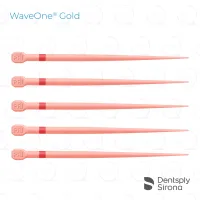
| shape it | waveone gold assorted – four sizes in one blister |
| irrigate | skini syringe with navitip sideport |
| seal it | neosealer flo – radiopaque bioceramic sealer |
x2 endo™ #30 · lower right first molar lr6 · from ct data · enamel-like coronal hardness · two mesial canals, one distal · radiopaque · acadental · ref aca3d_ae601x2_30

conform fit® gutta-percha · waveone® gold primary · 60 cones
most canalscold lateralwarm verticalmatched sizing
how long do you spend trimming a cone that was never made for the preparation? waveone® gold cuts a variable taper. a standard .02 or .04 cone does not follow it, so tug back becomes a judgement. conform fit® cones are made to the sizes the waveone® gold files prepare, by injection moulding rather than hand rolling – which is where the dimensional consistency comes from.
this pack: 60 × conform fit® gutta-percha points, waveone® gold primary
made by dentsply sirona
| 0.03 mm tolerance | 5 mm heat transfer | 60 cones per box |
iso 6877, the standard for root-canal obturating points, allows a tolerance of ±0.05 mm. dentsply sirona state that every conform fit® point is held to ±0.03 mm, and describe that as a 40% more consistent shape than traditional hand-rolled gutta-percha. the figure is internal testing, data on file.
read it for what it is: a manufacturing consistency claim, not a claim about seal or outcome. what it buys you chairside is that one primary cone behaves like the next one out of the box – which is the part of cone selection that wastes the time.
“heat transfers through the master cone up to 5 mm beyond the heat source, allowing for warm, flowable gutta-percha all the way to the apex.”
dentsply sirona, conform fit® uk product page. internal testing, data on file; sample size 30.
| matched to | the shape prepared by the waveone® gold primary file, iso 025 tip (dentsply sirona) |
| made by | injection moulding rather than hand rolling – held to ±0.03 mm against iso 6877's ±0.05 mm |
| technique | cold lateral and warm vertical alike (dentsply sirona) |
| box | 60 cones – four sizes in the range plus an assorted box |
› gauge first, then reach for the cone – the finishing file names the cone.
› dry the canal properly – the matched primary paper points are made to the same four sizes.
› prefer carrier-based? thermafil® for waveone® gold primary takes warm gutta-percha down on a matched core instead.
› will standard cones fit a waveone® gold preparation? not properly. a fixed-taper cone cannot follow a variable-taper shape, so you end up trimming and re-gauging. conform fit® is made to these sizes, which is the whole point of the name.
› cold lateral or warm vertical? dentsply position these cones for both. the obturation technique stays yours; the sizing does the matching.
| glide path | waveone® gold glider 25 mm · before any shaping file |
| shape | waveone® gold primary 25 mm · the preparation these cones match |
| dry | paper points primary (180) |
| other sizes | small · medium · large · assorted |
| whole system | treatment solution box · gliders, every file size, cones and points |
conform fit® gutta-percha primary · matched to waveone® gold primary preparations · injection moulded, ±0.03 mm tolerance · cold and warm techniques · 60 cones · dentsply sirona · mfr code b00wggpf00pri · also small, medium, large and assorted
hand file · mani d-finder · iso 08/.02 · 21 mm · 6
the orifice is on the radiograph and nothing will go in. iso 08 is the finest d-finder mani make, and the one that goes first in a sclerosed canal.
this pack: 6 × mani d-finder hand files, iso size 08, .02 taper, 21 mm, stainless steel
made by mani, inc., japan
| cross-section | d-shaped – mani state this increases strength and resilience |
| cutting action | reaming – rotary cuts of a quarter to a third of a turn (mani) |
| size and taper | iso 08, .02 taper – 2% along the blade, 21 mm, 6 per pack |
› other sizes: d-finder 10, 21 mm, d-finder 12, 21 mm, d-finder 15, 21 mm.
› same size, 25 mm: d-finder 08, 25 mm.
› if it will not advance: c-pilot 006, 21 mm – a step finer than the smallest d-finder.
› stiffer than a k-file. in mani’s bending test the d-finder took more force to bend than a conventional k-file at #08 and #10 – roughly half as much again at #10.
› harder to break. mani state that in their ductility test "d finders are 1.5 times more resistant to fracture than other path finding files".
› resists buckling. mani’s internal buckling test shows a higher maximum load than conventional k-files at #08, #10 and #15.
test results are mani’s own laboratory data. further reading: mani d finders: exploring the path – dr rich mounce, endodontist and consultant to mani, endodontic practice us.
what does the d-shaped cross-section actually do?
mani state that the d-shaped section increases strength and resilience, and that the flutes are "shaped to prevent cutting in" – the screwing-in that drags a fine file deeper than intended.
why not just use a smaller file?
below iso 08 the d-finder range stops – c-pilot starts at 006. mani change the blade, not the diameter: with minimised cutting force it "is less likely to bite into the canal, and curbs the risk of creating ledges and perforations".
| irrigants | chlorax 5.25% · endo-solution 17% edta |
| lubricant | glyde file prep · file-eze indispense |
| shaping | reciproc minima r20 – narrow canals · reciproc blue r25 |
| glide path | c-pilot 006, 21 mm · c-pilot 008 |
| coronal seal | sdr flow+ refill universal |
hand file · iso 08 · .02 taper · 21 mm · stainless steel · d-shaped · rubber stoppers · autoclavable · 6 per pack · mani · ref mand2108

hand file · mani d-finder · iso 10/.02 · 21 mm · 6
iso 010 is the size written into most manufacturers' patency steps. this is that size in mani's d-finder geometry, at 21 mm for posterior access.
this pack: 6 × mani d-finder hand files, iso size 10, .02 taper, 21 mm, stainless steel
made by mani, inc., japan
| cross-section | d-shaped – mani state this increases strength and resilience |
| cutting action | reaming – rotary cuts of a quarter to a third of a turn (mani) |
| size and taper | iso 10, .02 taper – 2% along the blade, 21 mm, 6 per pack |
› other sizes: d-finder 08, 21 mm, d-finder 12, 21 mm, d-finder 15, 21 mm.
› same size, 25 mm: d-finder 10, 25 mm.
› if it will not advance: c-pilot 006, 21 mm – a step finer than the smallest d-finder.
› stiffer than a k-file. in mani’s bending test the d-finder took more force to bend than a conventional k-file at #08 and #10 – roughly half as much again at #10.
› harder to break. mani state that in their ductility test "d finders are 1.5 times more resistant to fracture than other path finding files".
› resists buckling. mani’s internal buckling test shows a higher maximum load than conventional k-files at #08, #10 and #15.
test results are mani’s own laboratory data. further reading: mani d finders: exploring the path – dr rich mounce, endodontist and consultant to mani, endodontic practice us.
how does mani say to use them?
as a reamer: rotary cuts of a quarter to a third of a turn. that is mani's own instruction, and it is the motion the flute geometry is cut for.
what is the taper?
.02 across the whole range – the standard hand-file taper, so the file gains 0.02 mm of diameter for every millimetre of length. written as a percentage that is 2%.
| irrigants | chlorax 5.25% · endo-solution 17% edta |
| lubricant | glyde file prep · file-eze indispense |
| shaping | reciproc minima r20 – narrow canals · reciproc blue r25 |
| glide path | c-pilot 006, 21 mm · c-pilot 010 |
| coronal seal | sdr flow+ refill universal |
hand file · iso 10 · .02 taper · 21 mm · stainless steel · d-shaped · rubber stoppers · autoclavable · 6 per pack · mani · ref mand2110
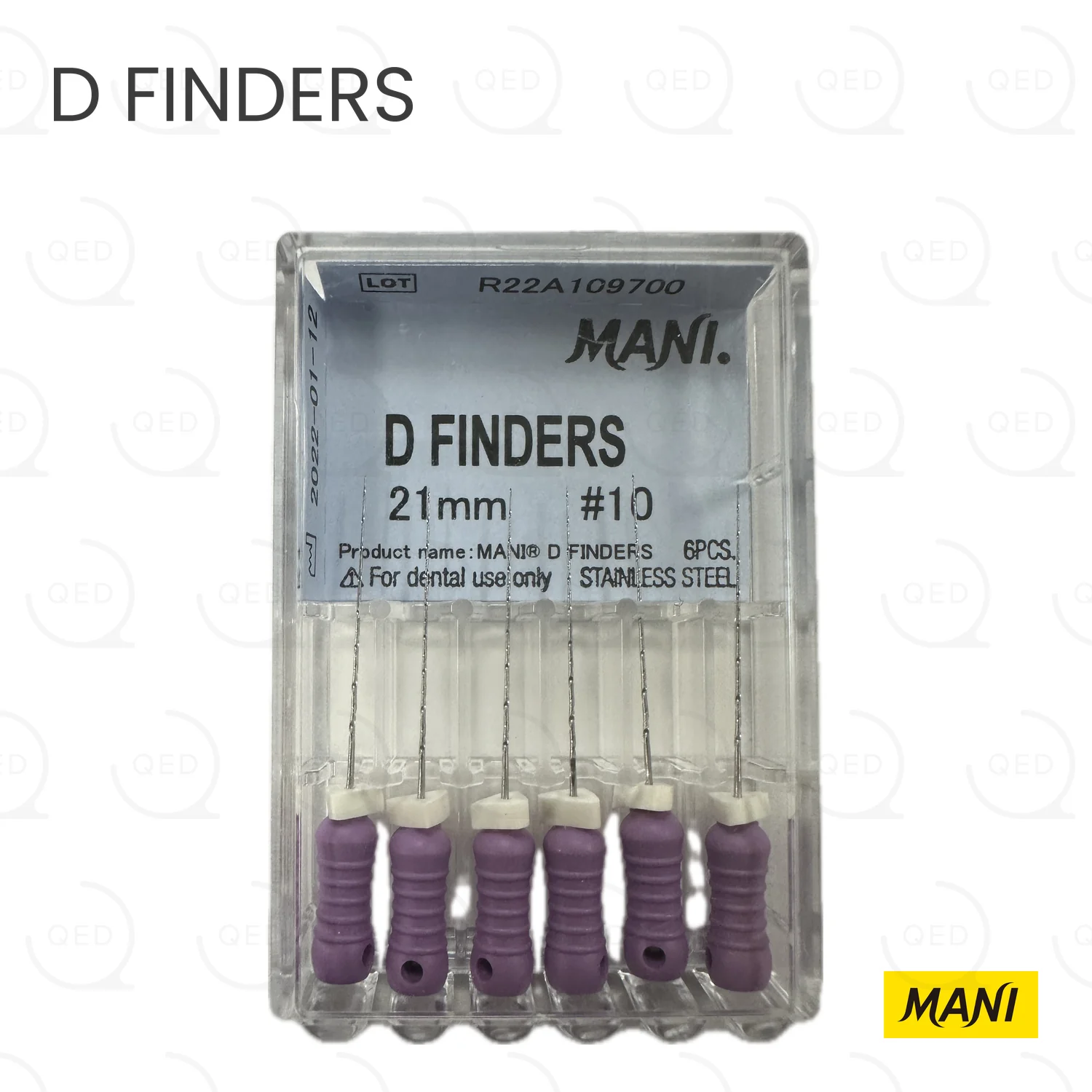
hand file · mani d-finder · iso 12/.02 · 21 mm · 6
going 10 straight to 15 in a tight canal is a big jump. iso 12 is the intermediate size that lets you gain diameter without forcing the next full step.
this pack: 6 × mani d-finder hand files, iso size 12, .02 taper, 21 mm, stainless steel
made by mani, inc., japan
| cross-section | d-shaped – mani state this increases strength and resilience |
| cutting action | reaming – rotary cuts of a quarter to a third of a turn (mani) |
| size and taper | iso 12, .02 taper – 2% along the blade, 21 mm, 6 per pack |
› other sizes: d-finder 08, 21 mm, d-finder 10, 21 mm, d-finder 15, 21 mm.
› same size, 25 mm: d-finder 12, 25 mm.
› if it will not advance: c-pilot 006, 21 mm – a step finer than the smallest d-finder.
› stiffer than a k-file. in mani’s bending test the d-finder took more force to bend than a conventional k-file at #08 and #10 – roughly half as much again at #10.
› harder to break. mani state that in their ductility test "d finders are 1.5 times more resistant to fracture than other path finding files".
› resists buckling. mani’s internal buckling test shows a higher maximum load than conventional k-files at #08, #10 and #15.
test results are mani’s own laboratory data. further reading: mani d finders: exploring the path – dr rich mounce, endodontist and consultant to mani, endodontic practice us.
why does mani include a 12?
most ranges step 08, 10, 15. the 12 is a half step, and in a canal that is gripping the 10 it is the difference between gaining diameter gradually and forcing the next full size.
how does mani say to use them?
as a reamer: rotary cuts of a quarter to a third of a turn – mani's own instruction, and the motion the flutes are cut for.
| irrigants | chlorax 5.25% · endo-solution 17% edta |
| lubricant | glyde file prep · file-eze indispense |
| shaping | reciproc minima r20 – narrow canals · reciproc blue r25 |
| glide path | c-pilot 006, 21 mm · c-pilot 012 |
| coronal seal | sdr flow+ refill universal |
hand file · iso 12 · .02 taper · 21 mm · stainless steel · d-shaped · rubber stoppers · autoclavable · 6 per pack · mani · ref mand2112
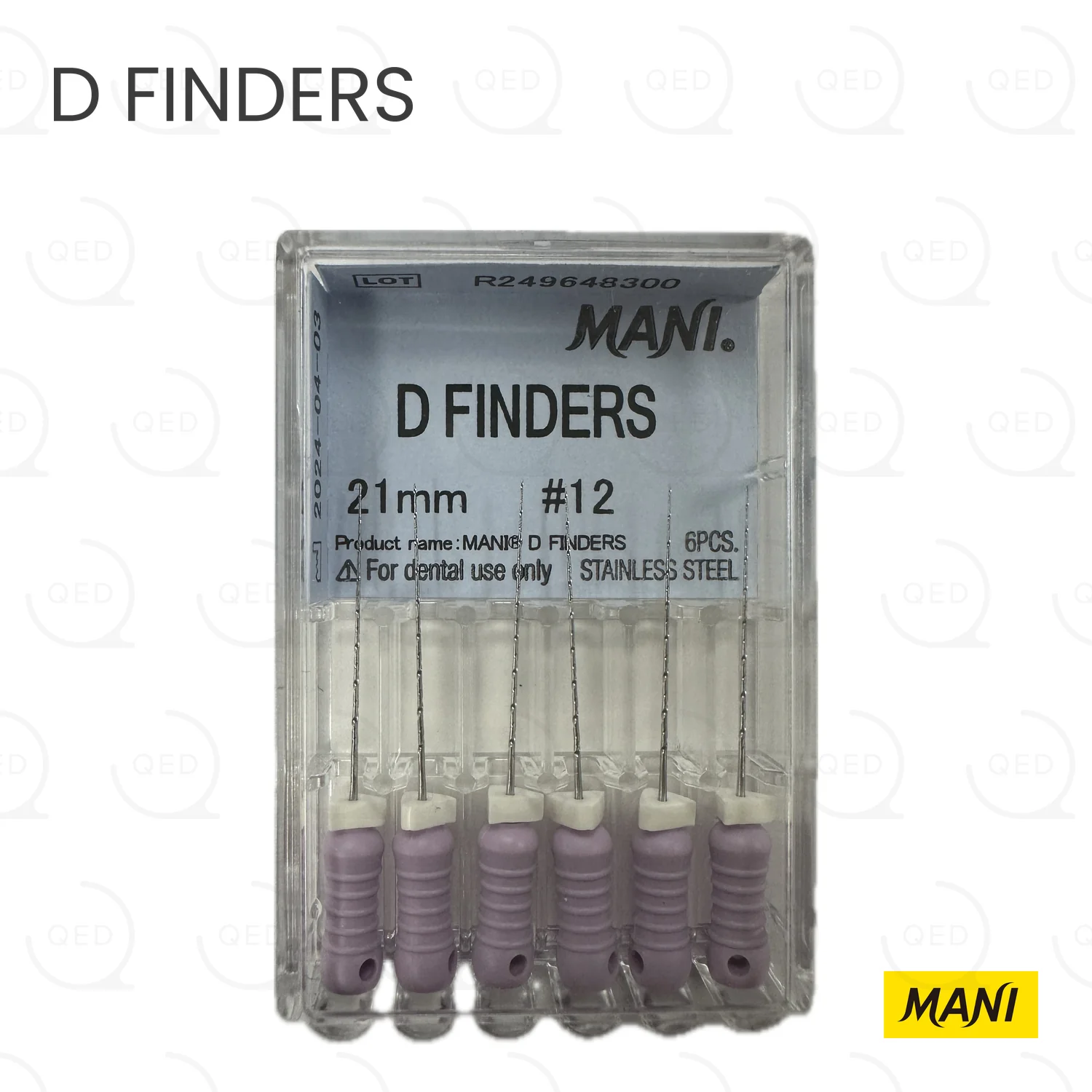
hand file · mani d-finder · iso 15/.02 · 21 mm · 6
an iso 15 that travels freely is the usual definition of a glide path. this is the largest d-finder mani make, at 21 mm.
this pack: 6 × mani d-finder hand files, iso size 15, .02 taper, 21 mm, stainless steel
made by mani, inc., japan
| cross-section | d-shaped – mani state this increases strength and resilience |
| cutting action | reaming – rotary cuts of a quarter to a third of a turn (mani) |
| size and taper | iso 15, .02 taper – 2% along the blade, 21 mm, 6 per pack |
› other sizes: d-finder 08, 21 mm, d-finder 10, 21 mm, d-finder 12, 21 mm.
› same size, 25 mm: d-finder 15, 25 mm.
› if it will not advance: c-pilot 006, 21 mm – a step finer than the smallest d-finder.
› stiffer than a k-file. in mani’s bending test the d-finder took more force to bend than a conventional k-file at #08 and #10 – roughly half as much again at #10.
› harder to break. mani state that in their ductility test "d finders are 1.5 times more resistant to fracture than other path finding files".
› resists buckling. mani’s internal buckling test shows a higher maximum load than conventional k-files at #08, #10 and #15.
test results are mani’s own laboratory data. further reading: mani d finders: exploring the path – dr rich mounce, endodontist and consultant to mani, endodontic practice us.
is iso 15 the top of the range?
yes. mani make d-finders in 08, 10, 12 and 15 only – they are negotiation instruments, not shaping files. once 15 is travelling freely, shaping is the next job.
what is the pack?
six files, one size, one length. mani's smallest available unit is 6 per pack, so a pack is a size rather than a kit.
| irrigants | chlorax 5.25% · endo-solution 17% edta |
| lubricant | glyde file prep · file-eze indispense |
| shaping | reciproc minima r20 – narrow canals · reciproc blue r25 |
| glide path | c-pilot 006, 21 mm · c-pilot 015 |
| coronal seal | sdr flow+ refill universal |
hand file · iso 15 · .02 taper · 21 mm · stainless steel · d-shaped · rubber stoppers · autoclavable · 6 per pack · mani · ref mand2115

hand file · mani d-finder · iso 08/.02 · 25 mm · 6
the finest file is the one most likely to bend rather than advance. mani's answer is the section, not the diameter – a d-shaped blade they state is stronger.
this pack: 6 × mani d-finder hand files, iso size 08, .02 taper, 25 mm, stainless steel
made by mani, inc., japan
| cross-section | d-shaped – mani state this increases strength and resilience |
| cutting action | reaming – rotary cuts of a quarter to a third of a turn (mani) |
| size and taper | iso 08, .02 taper – 2% along the blade, 25 mm, 6 per pack |
› other sizes: d-finder 10, 25 mm, d-finder 12, 25 mm, d-finder 15, 25 mm.
› same size, 21 mm: d-finder 08, 21 mm.
› if it will not advance: c-pilot 006, 25 mm – a step finer than the smallest d-finder.
› stiffer than a k-file. in mani’s bending test the d-finder took more force to bend than a conventional k-file at #08 and #10 – roughly half as much again at #10.
› harder to break. mani state that in their ductility test "d finders are 1.5 times more resistant to fracture than other path finding files".
› resists buckling. mani’s internal buckling test shows a higher maximum load than conventional k-files at #08, #10 and #15.
test results are mani’s own laboratory data. further reading: mani d finders: exploring the path – dr rich mounce, endodontist and consultant to mani, endodontic practice us.
what does the d-shaped cross-section actually do?
mani state that the d-shaped section increases strength and resilience, and that the flutes are "shaped to prevent cutting in" – the screwing-in that drags a fine file deeper than intended.
why not just use a smaller file?
below iso 08 the d-finder range stops – c-pilot starts at 006. mani change the blade, not the diameter: with minimised cutting force it "is less likely to bite into the canal, and curbs the risk of creating ledges and perforations".
| irrigants | chlorax 5.25% · endo-solution 17% edta |
| lubricant | glyde file prep · file-eze indispense |
| shaping | reciproc minima r20 – narrow canals · reciproc blue r25 |
| glide path | c-pilot 006, 25 mm · c-pilot 008 |
| coronal seal | sdr flow+ refill universal |
hand file · iso 08 · .02 taper · 25 mm · stainless steel · d-shaped · rubber stoppers · autoclavable · 6 per pack · mani · ref mand2508

hand file · mani d-finder · iso 10/.02 · 25 mm · 6
25 mm is the working length most instructions are written around. iso 010 is the size they name for confirming patency.
this pack: 6 × mani d-finder hand files, iso size 10, .02 taper, 25 mm, stainless steel
made by mani, inc., japan
| cross-section | d-shaped – mani state this increases strength and resilience |
| cutting action | reaming – rotary cuts of a quarter to a third of a turn (mani) |
| size and taper | iso 10, .02 taper – 2% along the blade, 25 mm, 6 per pack |
› other sizes: d-finder 08, 25 mm, d-finder 12, 25 mm, d-finder 15, 25 mm.
› same size, 21 mm: d-finder 10, 21 mm.
› if it will not advance: c-pilot 006, 25 mm – a step finer than the smallest d-finder.
› stiffer than a k-file. in mani’s bending test the d-finder took more force to bend than a conventional k-file at #08 and #10 – roughly half as much again at #10.
› harder to break. mani state that in their ductility test "d finders are 1.5 times more resistant to fracture than other path finding files".
› resists buckling. mani’s internal buckling test shows a higher maximum load than conventional k-files at #08, #10 and #15.
test results are mani’s own laboratory data. further reading: mani d finders: exploring the path – dr rich mounce, endodontist and consultant to mani, endodontic practice us.
how does mani say to use them?
as a reamer: rotary cuts of a quarter to a third of a turn. that is mani's own instruction, and it is the motion the flute geometry is cut for.
what is the taper?
.02 across the whole range – the standard hand-file taper, so the file gains 0.02 mm of diameter for every millimetre of length. written as a percentage that is 2%.
| irrigants | chlorax 5.25% · endo-solution 17% edta |
| lubricant | glyde file prep · file-eze indispense |
| shaping | reciproc minima r20 – narrow canals · reciproc blue r25 |
| glide path | c-pilot 006, 25 mm · c-pilot 010 |
| coronal seal | sdr flow+ refill universal |
hand file · iso 10 · .02 taper · 25 mm · stainless steel · d-shaped · rubber stoppers · autoclavable · 6 per pack · mani · ref mand2510
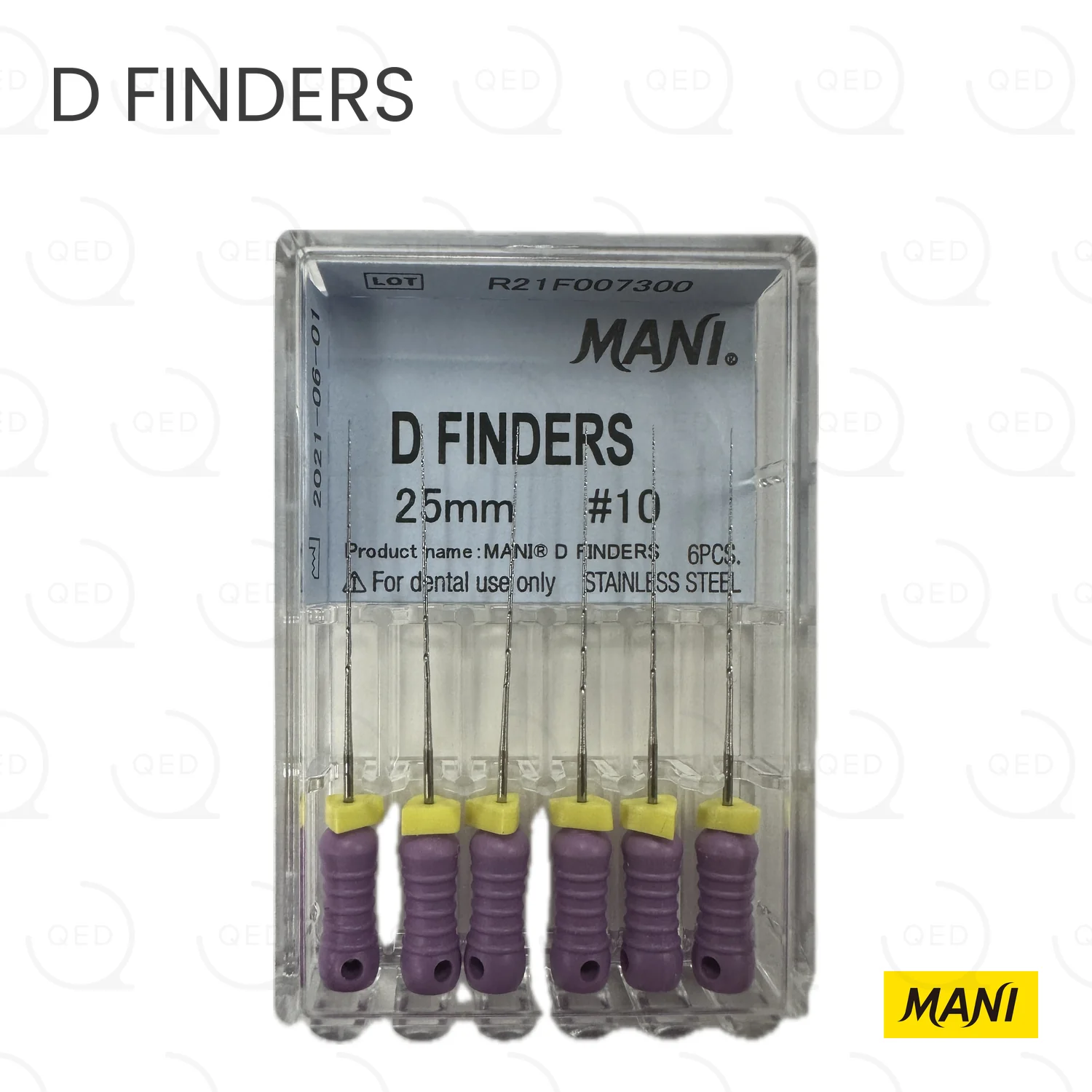
hand file · mani d-finder · iso 12/.02 · 25 mm · 6
most hand-file ranges go 10, then 15. mani put a 12 in between, which is the difference between easing a canal open and levering at it.
this pack: 6 × mani d-finder hand files, iso size 12, .02 taper, 25 mm, stainless steel
made by mani, inc., japan
| cross-section | d-shaped – mani state this increases strength and resilience |
| cutting action | reaming – rotary cuts of a quarter to a third of a turn (mani) |
| size and taper | iso 12, .02 taper – 2% along the blade, 25 mm, 6 per pack |
› other sizes: d-finder 08, 25 mm, d-finder 10, 25 mm, d-finder 15, 25 mm.
› same size, 21 mm: d-finder 12, 21 mm.
› if it will not advance: c-pilot 006, 25 mm – a step finer than the smallest d-finder.
› stiffer than a k-file. in mani’s bending test the d-finder took more force to bend than a conventional k-file at #08 and #10 – roughly half as much again at #10.
› harder to break. mani state that in their ductility test "d finders are 1.5 times more resistant to fracture than other path finding files".
› resists buckling. mani’s internal buckling test shows a higher maximum load than conventional k-files at #08, #10 and #15.
test results are mani’s own laboratory data. further reading: mani d finders: exploring the path – dr rich mounce, endodontist and consultant to mani, endodontic practice us.
why does mani include a 12?
most ranges step 08, 10, 15. the 12 is a half step, and in a canal that is gripping the 10 it is the difference between gaining diameter gradually and forcing the next full size.
how does mani say to use them?
as a reamer: rotary cuts of a quarter to a third of a turn – mani's own instruction, and the motion the flutes are cut for.
| irrigants | chlorax 5.25% · endo-solution 17% edta |
| lubricant | glyde file prep · file-eze indispense |
| shaping | reciproc minima r20 – narrow canals · reciproc blue r25 |
| glide path | c-pilot 006, 25 mm · c-pilot 012 |
| coronal seal | sdr flow+ refill universal |
hand file · iso 12 · .02 taper · 25 mm · stainless steel · d-shaped · rubber stoppers · autoclavable · 6 per pack · mani · ref mand2512

hand file · mani d-finder · iso 15/.02 · 25 mm · 6
once 15 goes to length, the canal is ready for a shaping file. this is the largest d-finder in the range, at 25 mm.
this pack: 6 × mani d-finder hand files, iso size 15, .02 taper, 25 mm, stainless steel
made by mani, inc., japan
| cross-section | d-shaped – mani state this increases strength and resilience |
| cutting action | reaming – rotary cuts of a quarter to a third of a turn (mani) |
| size and taper | iso 15, .02 taper – 2% along the blade, 25 mm, 6 per pack |
› other sizes: d-finder 08, 25 mm, d-finder 10, 25 mm, d-finder 12, 25 mm.
› same size, 21 mm: d-finder 15, 21 mm.
› if it will not advance: c-pilot 006, 25 mm – a step finer than the smallest d-finder.
› stiffer than a k-file. in mani’s bending test the d-finder took more force to bend than a conventional k-file at #08 and #10 – roughly half as much again at #10.
› harder to break. mani state that in their ductility test "d finders are 1.5 times more resistant to fracture than other path finding files".
› resists buckling. mani’s internal buckling test shows a higher maximum load than conventional k-files at #08, #10 and #15.
test results are mani’s own laboratory data. further reading: mani d finders: exploring the path – dr rich mounce, endodontist and consultant to mani, endodontic practice us.
is iso 15 the top of the range?
yes. mani make d-finders in 08, 10, 12 and 15 only – they are negotiation instruments, not shaping files. once 15 is travelling freely, shaping is the next job.
what is the pack?
six files, one size, one length. mani's smallest available unit is 6 per pack, so a pack is a size rather than a kit.
| irrigants | chlorax 5.25% · endo-solution 17% edta |
| lubricant | glyde file prep · file-eze indispense |
| shaping | reciproc minima r20 – narrow canals · reciproc blue r25 |
| glide path | c-pilot 006, 25 mm · c-pilot 015 |
| coronal seal | sdr flow+ refill universal |
hand file · iso 15 · .02 taper · 25 mm · stainless steel · d-shaped · rubber stoppers · autoclavable · 6 per pack · mani · ref mand2515

c-pilot® iso 006 · 19 mm · 6 sterile files
a sclerosed canal in a tooth you can hardly see, let alone reach. this is the combination for the hardest access in the range: 0.06 mm at the tip, a quarter finer than an 008, on the 19 mm shaft. it is a probe rather than a shaping instrument – its job is to establish whether there is a path at all, before you spend dentine finding out the expensive way.
this pack: 6 × vdw®sterile c-pilot® iso 006, 19 mm, .02 taper · stoppers fitted · mfr code 368 019 006
made by vdw gmbh, munich, germany
| 0.06 mm tip | the finest c-pilot® size – information at the lowest cost in dentine |
| 19 mm shaft | the shortest length made, for restricted opening and short roots |
| inactive pilot tip | vdw's description: conducts the instrument safely along the canal rather than cutting its own path |
| sterile blister of 6 | gamma sterilised to din en iso 11137, stoppers pre-mounted |
| thermally hardened | vdw: “high bending strength thanks to a special thermal hardening process” |
| constant .02 taper | the iso hand file geometry – the blade widens by 0.02 mm for every millimetre back from the tip, so the size you read is the size the canal gets |
› see it before you probe it – a 006 is no substitute for magnification and a clean chamber floor.
› probe through a reservoir – never dry. irrigant in the chamber does the work; a viscous chelator such as file-eze™ is a preference rather than a requirement, and comes in a 30 ml indispense™ syringe if you get through it.
› fresh file, not firmer grip – a 006 that starts to bend has told you what you need to know.
› single use – per vdw and the uk position on endodontic files since april 2007 (cmo(2007)5).
do i need 006 as well as 008?
not for routine work. stock it for the sclerosed second molar you would otherwise abandon – one blister, kept for the case that needs it.
where does it stop being useful?
the moment a path is found. move to 008 and then 010; a 006 is not the instrument to enlarge with.
| next size up | c-pilot 008, 19 mm |
| glide path size | c-pilot 010, 19 mm |
| all three sizes | c-pilot assorted 19 mm |
| bulk gel, optional | file-eze™ 30 ml indispense™ |
| dress between visits | ultracal™ xs · calcium hydroxide |
| longer roots | c-pilot 006 in 25 mm |
vdw® c-pilot® iso 006 · 19 mm · .02 taper · sclerosed canals · limited access · pathfinding · stainless steel · sterile · single use · 6 files · vdw gmbh · ref v040368019006 · also in 21 mm and 25 mm

c-pilot® iso 010 · 19 mm · 6 sterile files
lower second molar, a patient who cannot open far, and every file you own hits the upper arch first. 19 mm is the shortest length vdw make the c-pilot® in, and it exists for exactly that case – along with short roots where a longer instrument is simply more handle than the tooth needs. same file otherwise: thermally hardened stainless steel, inactive pilot tip, radiopaque marks, and the iso 010 tip that defines a glide path when it runs loose to length.
this pack: 6 × vdw®sterile c-pilot® iso 010, 19 mm, .02 taper · stoppers fitted · mfr code 368 019 010
made by vdw gmbh, munich, germany
| 19 mm | the shortest c-pilot® length – for restricted opening, deep bites and short roots |
| 0.10 mm tip | a size 10 loose to length is the accepted definition of a glide path |
| inactive pilot tip | vdw's description: conducts the instrument safely along the canal instead of cutting its own path |
| sterile blister of 6 | gamma sterilised to din en iso 11137, stoppers pre-mounted |
| thermally hardened | vdw: “high bending strength thanks to a special thermal hardening process” |
| constant .02 taper | the iso hand file geometry – the blade widens by 0.02 mm for every millimetre back from the tip, so the size you read is the size the canal gets |
› check the access before the appointment – if a 21 mm file will not seat, a 19 mm one usually will, and it is easier to have both in the drawer than to improvise.
› mind the mechanical step – the shaping systems we stock start at 21 mm, so the file that follows this one will be the longer instrument. confirm it seats before you start.
› irrigant first, lubricant only if you use one – the canal wants a reservoir of irrigant; a chelating gel is a matter of preference rather than a step this file requires. if it is part of your protocol, file-eze™ is the 19% edta gel we stock.
› single use – vdw recommend single use of their pre-sterilised instruments; the uk position since april 2007 is that endodontic reamers and files are treated as single use (cmo(2007)5).
who actually needs 19 mm?
anyone treating second and third molars, patients with limited opening, and short-rooted teeth where the working length is well under 20 mm. if none of those describe your list, 21 mm is the everyday length to stock.
is it a different file?
no – same steel, same tip design, same sterile blister of six. only the overall length differs.
| if 010 will not go | c-pilot 008, 19 mm |
| next step up | c-pilot iso 12.5, 19 mm · a 25% step, not 50% |
| all three scouting sizes | c-pilot assorted 19 mm |
| mechanical glide path | waveone® gold glider 21 mm · the shortest glider made |
| then shape | reciproc® minima r20 21 mm or reciproc® blue r25 21 mm |
| standard length | c-pilot 010 in 21 mm |
vdw® c-pilot® iso 010 · 19 mm · .02 taper · limited access · short roots · glide path · patency · stainless steel · sterile · single use · 6 files · vdw gmbh · ref v040368019010 · also in 21 mm and 25 mm

c-pilot® iso 015 · 19 mm · 6 sterile files
before a nickel-titanium file goes anywhere near a difficult molar, something has to confirm the path exists. a 015 that moves freely to length is that confirmation, and 015 is also the tip size the mechanical glide path instruments carry. at 19 mm it is the version for short roots and the teeth where a longer handle simply will not sit – the last hand instrument before the motor takes over.
this pack: 6 × vdw®sterile c-pilot® iso 015, 19 mm, .02 taper · stoppers fitted · mfr code 368 019 015
made by vdw gmbh, munich, germany
| 0.15 mm tip | the conventional finishing size for a manual glide path, and the tip size of the mechanical gliders |
| 19 mm shaft | short roots and restricted opening, where working length is well under 20 mm |
| radiopaque marks | calibration rings and a radiopaque silicone stopper for the working length film |
| sterile blister of 6 | gamma sterilised to din en iso 11137, ready to use |
| thermally hardened | vdw: “high bending strength thanks to a special thermal hardening process” |
| constant .02 taper | the iso hand file geometry – the blade widens by 0.02 mm for every millimetre back from the tip, so the size you read is the size the canal gets |
› loose, not tight – if it binds, drop back to iso 12.5 and work again.
› take the length reading here – 015 is stiff enough for a reliable apex locator reading.
› check the next instrument fits – the mechanical files start at 21 mm, so confirm access before you rely on them.
› single use – per vdw and the uk position on endodontic files since april 2007 (cmo(2007)5).
why establish a glide path at all?
because it changes what the shaping file has to do. the literature associates an established glide path with fewer canal aberrations and a lower risk of shaping file fracture (van der vyver and colleagues, south african dental journal 2019). it does not make separation impossible – technique, curvature and single use still decide that.
do i need it if i own a glider?
yes – it is how you check the canal is ready for the glider, and what you use when the glider will not advance.
| step before | c-pilot iso 12.5, 19 mm |
| recapitulation | c-pilot 010, 19 mm |
| mechanical glide path | waveone® gold glider 21 mm · same 015 tip |
| then shape | waveone® gold primary 21 mm or reciproc® blue r25 21 mm |
| motor | vdw.silver®reciproc® with 6:1 contra-angle · x-smart® pro+ · x-smart® go |
| standard length | c-pilot 015 in 21 mm |
vdw® c-pilot® iso 015 · 19 mm · .02 taper · short roots · limited access · glide path · working length · stainless steel · sterile · single use · 6 files · vdw gmbh · ref v040368019015 · also in 21 mm and 25 mm

c-pilot® iso 006 · 21 mm · 6 sterile files
sclerosed molar, twenty minutes gone, and nothing is going anywhere. iso 006 is the finest size vdw make in this range: 0.06 mm at the tip, a quarter thinner than an 008, and at 21 mm it is the version that fits a posterior tooth without wrestling the opposing arch. it is a probe, not a shaping file – its job is to tell you whether a path exists before you remove dentine to find out.
this pack: 6 × vdw®sterile c-pilot® iso 006, 21 mm, .02 taper · stoppers fitted · mfr code 368 021 006
made by vdw gmbh, munich, germany
| 0.06 mm tip | the finest c-pilot® size – information at the lowest possible cost in dentine |
| inactive pilot tip | vdw's description: conducts the instrument safely along the canal rather than cutting its own path |
| thermally hardened | bending strength matters most in the size least able to resist buckling |
| sterile blister of 6 | gamma sterilised to din en iso 11137, stoppers pre-mounted |
| constant .02 taper | the iso hand file geometry – the blade widens by 0.02 mm for every millimetre back from the tip, so the size you read is the size the canal gets |
› probe through a reservoir – never dry. irrigant in the chamber does the work; a viscous chelator such as file-eze™ is a preference rather than a requirement, and comes in a 30 ml indispense™ syringe if you get through it.
› change the file, not the force – a 006 that is bending is telling you to take a fresh one.
› hand over early – as soon as the path is found, move to 008. the 006 has done its job.
› single use – vdw recommend it, and the uk position since april 2007 is that endodontic files are treated as single use (cmo(2007)5).
is it too fragile to be worth stocking?
it is fine and should be handled as such – but a blister that sits unused for a month and then rescues one molar has paid for itself. in a laboratory comparison in endodontology in 2021, stainless steel pathfinders including c-pilot® resisted buckling better than the carbon steel and nickel-titanium instruments tested (gupta and colleagues).
which length for a lower second molar?
21 mm usually, or 19 mm where the opening is genuinely restricted.
| next size up | c-pilot 008, 21 mm |
| glide path size | c-pilot 010, 21 mm |
| all three sizes | c-pilot assorted 21 mm · two each of 006, 008, 010 |
| bulk gel, optional | file-eze™ 30 ml indispense™ |
| narrow anatomy | reciproc® minima r20 21 mm |
| dress between visits | ultracal™ xs · calcium hydroxide |
vdw® c-pilot® iso 006 · 21 mm · .02 taper · sclerosed canals · pathfinding · canal scouting · stainless steel · sterile · single use · 6 files · vdw gmbh · ref v040368021006 · also in 25 mm and 19 mm

c-pilot® iso 010 · 21 mm · 6 sterile files
second molar, limited opening, and a 25 mm handle fighting the opposing arch? the 21 mm c-pilot® 010 puts the handle where your fingers can control it and matches the 21 mm working length your rotary and reciprocating files are supplied in. same instrument as the longer version – thermally hardened stainless steel, inactive pilot tip – with three fewer millimetres of leverage between your hand and the canal.
this pack: 6 × vdw®sterile c-pilot® iso 010, 21 mm, .02 taper · stoppers fitted · mfr code 368 021 010
made by vdw gmbh, munich, germany
| 21 mm | the posterior working length, and the shortest length the shaping systems we stock are made in |
| 0.10 mm tip | a size 10 loose to length is the accepted definition of a glide path |
| inactive pilot tip | vdw's description: conducts the instrument safely along the canal instead of cutting its own path |
| sterile blister of 6 | gamma sterilised to din en iso 11137, ready to use, stoppers pre-mounted |
| thermally hardened | vdw: “high bending strength thanks to a special thermal hardening process” |
| constant .02 taper | the iso hand file geometry – the blade widens by 0.02 mm for every millimetre back from the tip, so the size you read is the size the canal gets |
› shorter shaft, better control – less instrument between your fingers and the canal is exactly what you want when the access is cramped and the file is fine.
› recapitulate with it – back to a loose 010 between shaping files to confirm the path has not packed with debris.
› irrigant first, lubricant only if you use one – the canal wants a reservoir of irrigant; a chelating gel is a matter of preference rather than a step this file requires. if it is part of your protocol, file-eze™ is the 19% edta gel we stock.
› single use – vdw recommend single use of their pre-sterilised instruments; the uk position since april 2007 is that endodontic reamers and files are treated as single use (cmo(2007)5).
21 mm or 25 mm?
21 mm for molars, short roots and any case where the opposing arch limits you. 25 mm for anteriors, canines and long premolar roots. most practices hold both and reach for 21 mm more often than they expect.
do i still need it with a reciprocating system?
yes. the instructions for reciproc® and reciproc® minima ask you to confirm patency with a small hand instrument and to establish a glide path if the shaping file does not advance.
| if 010 will not go | c-pilot 008, 21 mm |
| next step up | c-pilot iso 12.5, 21 mm · a 25% step, not 50% |
| mechanical glide path | waveone® gold glider 21 mm |
| then shape | reciproc® blue r25 21 mm or waveone® gold primary 21 mm |
| narrow anatomy | reciproc® minima r20 21 mm |
| irrigate | navitip™ 29 ga sideport 21 mm |
vdw® c-pilot® iso 010 · 21 mm · .02 taper · molars · glide path · patency · calcified canals · stainless steel · sterile · single use · 6 files · vdw gmbh · ref v040368021010 · also in 25 mm and 19 mm

c-pilot® iso 015 · 21 mm · 6 sterile files
how do you know the canal is ready for the file you are about to spend forty pounds on? a 015 that moves freely to length is the answer, and 21 mm is the length that matches the molar cases where it matters most. 015 is also the tip size the mechanical glide path instruments are built around, so a hand 015 that reaches length tells you the glider will too – and one that stops tells you to go back rather than forward.
this pack: 6 × vdw®sterile c-pilot® iso 015, 21 mm, .02 taper · stoppers fitted · mfr code 368 021 015
made by vdw gmbh, munich, germany
| 0.15 mm tip | the conventional finishing size for a manual glide path, and the tip size of the mechanical gliders |
| reads well | stiff enough for a reliable apex locator reading and visible on a working length film |
| radiopaque marks | calibration rings and a radiopaque silicone stopper |
| sterile blister of 6 | gamma sterilised to din en iso 11137, ready to use |
| thermally hardened | vdw: “high bending strength thanks to a special thermal hardening process” |
| constant .02 taper | the iso hand file geometry – the blade widens by 0.02 mm for every millimetre back from the tip, so the size you read is the size the canal gets |
› loose, not tight – if 015 binds, drop back to iso 12.5 and work again rather than forcing it.
› confirm working length here – this is the size to take your final reading with.
› keep one for recapitulation – re-establishing patency between shaping files without enlarging.
› single use – vdw's recommendation, and the uk position on endodontic files since april 2007 (cmo(2007)5).
why bother if the glide path is going to be mechanical?
because the glider is a nickel-titanium instrument being asked to follow a path. confirming with a hand 015 first is how you find out whether that path exists – the literature associates an established glide path with fewer canal aberrations and a lower risk of shaping file fracture (van der vyver and colleagues, south african dental journal 2019).
can i start at 015 in a wide canal?
in a wide, straight canal many clinicians do. in anything narrow or curved, start at 010 or below – starting at 015 is how ledges get made.
| step before | c-pilot iso 12.5, 21 mm |
| recapitulation | c-pilot 010, 21 mm |
| mechanical glide path | waveone® gold glider 21 mm · same 015 tip |
| then shape | waveone® gold primary 21 mm or reciproc® blue r25 21 mm |
| narrow anatomy | reciproc® minima r20 21 mm |
| motor | vdw.silver®reciproc® with 6:1 contra-angle · x-smart® pro+ · x-smart® go |
vdw® c-pilot® iso 015 · 21 mm · .02 taper · glide path · working length · recapitulation · stainless steel · sterile · single use · 6 files · vdw gmbh · ref v040368021015 · also in 25 mm and 19 mm

vdw® c-pilot® iso 006 · 25 mm · 6 sterile files
sclerosed lower incisor, a pulp stone where the orifice should be, and the 008 has stopped dead? iso 006 is the finest size vdw make in this range, and it exists for the cases where the alternative is cutting dentine you will never get back. at 0.06 mm the tip is a quarter thinner than an 008 – the last honest step before you reach for magnification, ultrasonics or a referral pad.
| 0.06 mm tip diameter | 25 mm working length | 6 sterile blister |
this pack: 6 × vdw®sterile c-pilot® iso 006, 25 mm, .02 taper · pre-mounted silicone stoppers · mfr code 368 025 006
made by vdw gmbh, munich, germany
a 006 is a probe. it is there to tell you whether a path exists, and roughly where it goes, without removing the dentine that a wider instrument would take to answer the same question. used that way it is one of the most conservative instruments in the tray. used as a shaping file it is simply a wire under load, so the discipline matters: find the path, confirm it, and hand the canal over to the next size rather than trying to enlarge with the finest instrument you own.
the material earns its place here more than anywhere else in the range. vdw credit a special thermal hardening process with the file's high bending strength, and the inactive pilot tip is designed to be led by the canal rather than to cut a new one – the distinction between negotiating an obstruction and creating a false path. in a 2021 laboratory comparison in endodontology, stainless steel pathfinding files including c-pilot® resisted buckling better than carbon steel and nickel-titanium instruments (gupta and colleagues, doi 10.4103/endo.endo_126_20); it measures one property on a bench, but it is the property that decides whether a 006 transmits anything useful to your fingers.
| 0.06 mm tip | the finest c-pilot® size – a quarter thinner at d0 than an 008 |
| inactive pilot tip | vdw's description: conducts the instrument safely along the canal rather than cutting its own path |
| thermally hardened | vdw attribute the range's high bending strength to a special thermal hardening process |
| fine but readable | radiopaque calibration rings and stopper, plus the length printed on the cc+ handle |
| sterile, ready to use | gamma sterilised to din en iso 11137, blister of six |
| constant .02 taper | the iso hand file geometry – the blade widens by 0.02 mm for every millimetre back from the tip, so the size you read is the size the canal gets |
create a glide path even in canals which are difficult to penetrate.
— vdw product catalogue, c-pilot® range. the difficult ones are the entire reason the 006 exists.
› magnify first – a 006 is a poor substitute for seeing the orifice. find it, then probe it.
› probe through a reservoir – never dry. irrigant in the chamber does the work; a viscous chelator such as file-eze™ is a preference rather than a requirement, and comes in a the 30 ml indispense™ syringe if you get through it.
› change files, not technique – if a 006 stops advancing and starts to bend, take a fresh one rather than pushing harder on a stressed instrument.
› single use – vdw recommend single use of these pre-sterilised instruments; the uk position since april 2007 is that endodontic reamers and files are treated as single use (cmo(2007)5).
is a 006 not too fragile to be useful?
it is fine, and it should be treated as such. what it gives you is information at the lowest possible cost in dentine: whether there is a path, and in which direction. once you know that, 008 and 010 do the work of making it usable.
do i need 006 if i already stock 008?
not for routine cases. stock it for the calcified anterior and the second molar you would otherwise abandon – the blister that sits in the drawer for a month and then saves an appointment.
which length?
25 mm reaches long anterior roots comfortably. for a second molar with limited opening, the 19 mm version puts the handle where you can actually control it.
| next size up | c-pilot 008, 25 mm · once 006 is loose |
| glide path size | c-pilot 010, 25 mm · the reference size |
| whole sequence | c-pilot assorted 25 mm · two each of 006, 008, 010 |
| lubricant, optional | file-eze™ kit · 19% edta gel, if you use one |
| bulk gel, optional | file-eze™ 30 ml indispense™ · for high volume use |
| narrow anatomy | reciproc® minima r20 25 mm · the slimmest reciprocating file we stock |
| dress it | ultracal™ xs · calcium hydroxide between visits |
| limited opening | c-pilot 006 in 19 mm · short handle reach |
vdw® c-pilot® iso 006 · 25 mm · .02 taper · sclerosed canals · calcified canals · canal scouting · pathfinding · stainless steel · sterile · single use · 6 files · vdw gmbh · ref v040368025006 · also in 21 mm and 19 mm

vdw® c-pilot® iso 008 · 25 mm · 6 sterile files
ten minutes into a lower molar and the 010 is going nowhere? that is the ordinary experience of a sclerosed canal, and it is not a reason to open the access wider. iso 008 is a fifth thinner at the tip than 010, which is often the whole difference between an instrument that stops at a constriction and one that slips past it. c-pilot® 008 is built for exactly that moment: stainless steel, thermally hardened for bending strength, with an inactive pilot tip that is guided by the canal rather than by force.
| 0.08 mm tip diameter | 25 mm working length | 6 sterile blister |
this pack: 6 × vdw®sterile c-pilot® iso 008, 25 mm, .02 taper · pre-mounted silicone stoppers · mfr code 368 025 008
made by vdw gmbh, munich, germany
read the instructions for most reciprocating systems and you will find a small hand instrument written into the sequence: check patency, and if the shaping file does not advance, create a glide path first. iso 008 and iso 010 are the sizes named for that job. buying six of them is not an accessory purchase – it is the step that protects the far more expensive nickel-titanium file that follows, and the tooth it is working in.
at 0.08 mm the wire is very fine, so what it is made of decides how it behaves. vdw credit a special thermal hardening process with the file's high bending strength, and a laboratory comparison of pathfinding instruments in endodontology in 2021 found the stainless steel files, c-pilot® included, more resistant to buckling than the carbon steel and nickel-titanium instruments tested (gupta and colleagues, doi 10.4103/endo.endo_126_20). a bench test is not a clinical result – but buckling is precisely what an 008 does when the canal says no.
| 0.08 mm tip | a fifth finer than an 010 at d0 – usually the step that finds a canal an 010 has been sitting on top of |
| inactive pilot tip | vdw's description: conducts the instrument safely along the canal, which is what keeps a fine file out of a false path |
| thermally hardened | vdw attribute the high bending strength of the range to a special thermal hardening process |
| radiopaque marks | calibration rings and a radiopaque stopper – useful when the file is too fine to see clearly on a film |
| sterile, ready to use | gamma sterilised to din en iso 11137, blister of six, no cycle before first use |
| constant .02 taper | the iso hand file geometry – the blade widens by 0.02 mm for every millimetre back from the tip, so the size you read is the size the canal gets |
for probing in calcified root canals.
— vdw's stated indication for the c-pilot® range. it is a scouting instrument, not a shaping one.
› short amplitude – watch-wind in small arcs with the lightest apical load that still advances the file. force at 008 buys a ledge, not depth.
› pre-curve for a curve you can see – a slight bend at the last few millimetres helps the tip find the direction the canal is already going.
› keep the flutes clear – irrigate and recapitulate rather than asking a lubricant to do it. where a chelating gel is part of your protocol, file-eze™ is the 19% edta option.
› then hand over – once 008 is loose to length, move to 010 and only then to a mechanical glider.
should i stock 008 or 006 as my rescue size?
008 first: it is the one you will use every week, and it is stiff enough to transmit a usable signal. keep a blister of 006 behind it for the genuinely sclerosed cases, where 008 stops as well.
can i autoclave and re-use them?
no. they arrive gamma sterilised in a single blister and vdw recommend single use of their pre-sterilised instruments. since april 2007 the uk position has been that endodontic reamers and files are treated as single use and disposed of after each patient (cmo(2007)5, following the seac statement of 2006).
six files for one canal – is that not a lot?
you will use more than one on a difficult canal, and a fine file that has been stressed is not one to re-introduce. six is the sensible unit for a single sclerosed molar, not for six teeth.
| finer still | c-pilot 006, 25 mm · for sclerosed canals |
| next size up | c-pilot 010, 25 mm · the glide path reference size |
| whole sequence | c-pilot assorted 25 mm · two each of 006, 008, 010 |
| lubricant, optional | file-eze™ kit · 19% edta gel, if you use one |
| mechanical glide path | waveone® gold glider 25 mm |
| narrow anatomy | reciproc® minima r20 25 mm |
| then shape | reciproc® blue r25 25 mm |
| shorter access | c-pilot 008 in 21 mm · posterior teeth, limited opening |
vdw® c-pilot® iso 008 · 25 mm · .02 taper · calcified canals · patency · canal scouting · glide path · stainless steel · sterile · single use · 6 files · vdw gmbh · ref v040368025008 · also in 21 mm and 19 mm

vdw® c-pilot® iso 010 · 25 mm · 6 sterile files
rotary file screwing in, stalling, or refusing the curve? a glide path is not a feeling, it is a measurement. the criterion used across the literature is a size 10 hand file that moves loosely from orifice to working length – and until that is true, every rotary or reciprocating instrument you introduce is doing two jobs at once. c-pilot® 010 is the instrument that establishes it: stainless steel, thermally hardened for bending strength, with an inactive pilot tip that follows the canal instead of cutting its own path.
| 0.10 mm tip diameter | 25 mm working length | 6 sterile blister |
this pack: 6 × vdw®sterile c-pilot® iso 010, 25 mm, .02 taper · pre-mounted silicone stoppers · mfr code 368 025 010
made by vdw gmbh, munich, germany
scouting is a compression problem. you are pushing a very fine wire along a path you cannot see, and the failure mode is not cutting too much – it is the instrument bending, coiling and losing the tactile signal that tells you where the canal goes. that is why the material still matters at this end of the range. in a laboratory comparison of pathfinding instruments published in endodontology in 2021, the stainless steel files, c-pilot® among them, resisted buckling better than the carbon steel and nickel-titanium instruments tested (gupta, mohite, patil and bansal, doi 10.4103/endo.endo_126_20). it is a bench test of one property, not a clinical outcome – but it is the property you are relying on at iso 010.
vdw's answer is a special thermal hardening process, which they credit with the file's high bending strength, and a tip that is deliberately inactive. the point of an inactive tip is that the instrument is guided by the anatomy rather than by you: it will follow a curve it can find, and it will stop rather than start a ledge in one it cannot. combined with the calibration rings and the radiopaque silicone stopper, that gives you something to read on a working-length film rather than something to guess at.
| inactive pilot tip | vdw's description: the tip conducts the instrument safely along the canal, rather than cutting a path of its own |
| thermally hardened | vdw attribute the file's high bending strength to a special thermal hardening process – stiffness where you are pushing |
| radiopaque marks | x-ray visible calibration rings and a radiopaque silicone stopper, so depth is readable on the film |
| cc+ handle | grip designed for fine tactile control, with the length printed on the handle as well as colour coded |
| sterile, ready to use | gamma sterilised to din en iso 11137 and packed in a blister of six – no cycle needed before first use |
| constant .02 taper | the iso hand file geometry – the blade widens by 0.02 mm for every millimetre back from the tip, so the size you read is the size the canal gets |
enables creation of a smooth glide path prior to every rotary preparation.
— vdw's published description of the sterile c-pilot® range. note the word every: the glide path is not the exception, it is the step before the motor.
› watch-winding, not pushing – small reciprocating quarter turns with light apical pressure let the inactive tip find the path. if it stops advancing, come back, irrigate and re-establish before trying again.
› work through a reservoir – scout through irrigant rather than a dry canal. whether to add a viscous chelator on top of that is a matter of preference and opinion is divided, but where one is used, file-eze™ is 19% edta in a water soluble gel.
› recapitulate – return to 010 between shaping instruments to confirm the path is still patent and has not packed with dentine mud.
› single use – vdw recommend single use of their industrially cleaned, pre-sterilised instruments, and since april 2007 the uk position has been that endodontic reamers and files are treated as single use (cmo(2007)5, following the seac statement of 2006).
my system is reciprocating – do i still need this?
yes, and the instructions say so. the reciproc® and reciproc® minima instructions ask you to confirm patency with a small hand instrument, and to establish a glide path if the file does not advance. a blister of six 010s is the cheapest insurance in the drawer against a separated niti file.
why 010 rather than 008 or 015?
010 is the reference size: the accepted description of a glide path is a size 10 that is loose to length (van der vyver and colleagues, south african dental journal 2019). if 010 will not reach, drop to 008 or 006; once it is loose, move up through iso 12.5.
why 25 mm?
it is the length most uk practices stock first: it covers anteriors, canines and long premolar roots, and leaves room for a stopper you can still see. where the opening is tight, the 21 mm and 19 mm versions of this same file put the handle where you can reach it.
| if 010 will not go | c-pilot 008, 25 mm · then 006 if the canal is sclerosed |
| next step up | c-pilot iso 12.5, 25 mm · a 25% step instead of 50% |
| whole sequence | c-pilot assorted 25 mm · two each of 006, 008, 010 |
| lubricant, optional | file-eze™ kit · 19% edta gel, 4 × 1.2 ml, if you use one |
| mechanical glide path | waveone® gold glider 25 mm · takes over once 010 is loose |
| then shape | reciproc® blue r25 25 mm or waveone® gold primary |
| narrow anatomy | reciproc® minima r20 25 mm · the slim reciprocating option |
| irrigate | navitip™ 29 ga sideport 25 mm · delivery without extrusion |
vdw® c-pilot® iso 010 · 25 mm · .02 taper · calcified canals · canal scouting · glide path · patency · recapitulation · stainless steel · sterile · single use · 6 files · vdw gmbh · ref v040368025010 · also in 21 mm and 19 mm

vdw® c-pilot® iso 015 · 25 mm · 6 sterile files
glide path finished by hand, or finished by the glider? either way, 015 is where the manual sequence ends. it is the tip size the mechanical glide path instruments are built around, and the point at which a shaping file meets a canal that has already been measured, opened and confirmed patent rather than one it has to discover for itself. c-pilot® 015 is the last hand instrument in the sequence – thermally hardened stainless steel, inactive pilot tip, radiopaque marks.
| 0.15 mm tip diameter | 25 mm working length | 6 sterile blister |
this pack: 6 × vdw®sterile c-pilot® iso 015, 25 mm, .02 taper · pre-mounted silicone stoppers · mfr code 368 025 015
made by vdw gmbh, munich, germany
a nickel-titanium shaping file entering a canal that has been taken to a loose 015 is doing one job: removing dentine along a path that already exists. the same file entering an unprepared canal is scouting, negotiating and shaping simultaneously, and it is the scouting that loads it in torsion. this is the whole argument for the glide path, and it is why the literature reports fewer canal aberrations and a lower risk of shaping file separation when one is established first (van der vyver and colleagues, south african dental journal 2019).
015 also happens to be the tip size of the mechanical glide path instruments – the waveone® gold glider carries a 015 tip. a hand 015 that reaches length tells you the canal will accept them; a hand 015 that stops short tells you something more useful still, which is to go back rather than forward.
| 0.15 mm tip | the conventional finishing size for a manual glide path, and the tip size of the mechanical gliders |
| inactive pilot tip | vdw's description: conducts the instrument safely along the canal rather than cutting its own path |
| thermally hardened | high bending strength, which vdw attribute to their special thermal hardening process |
| radiopaque marks | calibration rings and a radiopaque silicone stopper for a working length film |
| sterile, ready to use | gamma sterilised to din en iso 11137, blister of six |
| constant .02 taper | the iso hand file geometry – the blade widens by 0.02 mm for every millimetre back from the tip, so the size you read is the size the canal gets |
enables creation of a smooth glide path prior to every rotary preparation.
— vdw's published description of the sterile c-pilot® range.
› loose, not tight – 015 should move freely to length before you consider the glide path finished. if it binds, drop back to iso 12.5 and work again.
› confirm length here – 015 is stiff enough to give a reliable apex locator reading and visible enough on a film.
› keep one for recapitulation – between shaping instruments, a 015 re-establishes patency without enlarging.
› single use – supplied gamma sterilised in a blister of six; vdw recommend single use, in line with the uk position on endodontic files since april 2007 (cmo(2007)5).
if i own a glider, do i need hand 015 at all?
yes, for two reasons: it is how you check the canal is ready for the glider, and it is what you reach for when the glider will not advance. it is also the recapitulation instrument during shaping.
can i start with 015 in an easy canal?
in a wide, straight canal many clinicians do. in anything narrow or curved, starting at 015 is how ledges are made – begin at 010 or below.
does a glide path mean the rotary file cannot separate?
no. it reduces the work the shaping file has to do and the literature associates it with fewer aberrations and a lower fracture risk – but technique, curvature and single use still decide the outcome.
| step before | c-pilot iso 12.5, 25 mm · the gentle way up from 010 |
| recapitulation | c-pilot 010, 25 mm · patency between shaping files |
| mechanical glide path | waveone® gold glider 25 mm · same 015 tip, reciprocating |
| shape it | waveone® gold primary 25 mm or reciproc® blue r25 |
| narrow anatomy | reciproc® minima r20 25 mm |
| motor | vdw.silver®reciproc® with 6:1 contra-angle · x-smart® pro+ · x-smart® go |
| irrigate | navitip™ 29 ga sideport 25 mm |
| shorter access | c-pilot 015 in 21 mm |
vdw® c-pilot® iso 015 · 25 mm · .02 taper · glide path · recapitulation · working length · calcified canals · stainless steel · sterile · single use · 6 files · vdw gmbh · ref v040368025015 · also in 21 mm and 19 mm

vdw.silver® reciproc® · endo motor · inc 6:1 contra-angle
reciprocation works because the instrument turns further in the cutting direction than it turns back, and releases before it is loaded to breaking point. those angles are not built into the file. they are programmed into the motor – which is why vdw tested the two together, and why the reciproc setting is a specification rather than a preference.
| 7 pre-set systems | 15 dr's choice slots | 6:1 contra-angle in box |
this unit: vdw.silver® reciproc® motor · vdw | sirona 6:1 contra-angle · foot switch · charger
made by vdw · a brand of dentsply sirona
every nickel-titanium instrument has an elastic limit – the point at which, if it is bound in the canal, it will fail rather than flex. the whole argument for reciprocation is that the file is released before it gets there. that release is the motor's job, and vdw are explicit that the two were designed as a pair.
“the angles of reciprocation are precise and specific to the design of the reciproc® instrument and to the vdw.silver® reciproc® motor. they are designed to be smaller than the angle settings where the elastic limit of the instrument would be met, thus minimising the risk of instrument fractures.”
vdw, reciproc® frequently asked questions (rev 0, 2010)
the practical consequence is worth stating plainly: a reciprocating file run on angles it was not tested against is a different instrument. if you are buying into reciproc, the motor is not the accessory – it is the half of the system that decides how the other half behaves.
it is not a single-system motor. vdw describe it as an endo motor “for reciprocating and continuous rotary nickel-titanium systems”, with pre-set programmes for both and a menu you can work without the manual open beside you.
| reciprocating | pre-set programmes for reciproc® and waveone® – including reciproc all on current units |
| continuous rotary | pre-set for mtwo®, flexmaster®, protaper®, k3™ and gates |
| dr's choice | 15 further torque/speed settings you set and store yourself, for rotary systems that are not on the list |
| power | battery operated, and it runs while charging – a flat battery does not cost you the appointment |
the programme list above is vdw's own, from their reciproc user brochure (rev 3, 2011). if you need the full library and the exact torque and speed values for a system you already run, ask us and we will send you the operating manual before you order.
› asr, in rotary mode. automatic reverse rotation when the set torque limit is reached, with an acoustic warning both when it reverses and at 75% of the set torque – so you hear the canal loading up before the motor has to act on it.
› reciproc reverse, in reciproc mode. a two-stage indicator that tells you when to change what you are doing – the comfort function vdw built around the single-file technique.
reciproc instruments are single-use, and the unit is the molar, not the case – vdw put it as “single treatment use, maximum one molar”. a two-molar appointment is two files. that is not a hidden cost so much as the trade the system asks for: one instrument doing the work of several, discarded before fatigue becomes a question. worth doing the arithmetic on your own case mix before you order files.
it has no integrated apex locator. it shapes; it does not measure. if you want length and shaping in one unit that is a different motor and a different budget – talk to us rather than assuming. everything else in the box is here: contra-angle, foot switch and charger, so it works out of the carton.
| the file it was built for | reciproc® blue r25 25 mm · r40 · r50 |
| hand files | c-pilot® 010, 25 mm · patency and glide path where the canal asks for one |
| irrigants | chlorax 5.25% · chlorax 2% · endo-solution 17% edta |
| delivery | irriflex® 30 ga · navitip™ 29 ga 25 mm |
| activation | vdw eddy® tips · vdw's own, driven by an air scaler rather than this motor |
| sealer | vdw 2seal · ah plus® · or bioceramic, neosealer® ezflo 25 mm tips |
| coronal seal | sdr® flow+ refill universal · 4 mm bulk increment, one cure |
| spares for this unit | vdw | sirona 6:1 contra-angle · foot switch · charger |
will it run reciproc blue?
yes. the blue instruments are the current reciproc® range and run on the reciproc setting. the alloy changed; the reciprocation did not.
can i use it for my rotary system as well?
that is the point of the pre-sets and of dr's choice. if your system is not one of the named programmes, you store your own torque and speed in one of the 15 slots.
does it measure working length?
no – there is no apex locator in this unit. length stays with your locator or your radiographs.
is the contra-angle included or extra?
included – the vdw | sirona 6:1 comes in the box. it is also sold separately if you want a second, or a replacement.
can i use it while it is charging?
yes. vdw state it “is battery operated and can also be used while charging”.
before you order: settings, torque values and the full pre-set library are in vdw's operating manual, and the file library on current firmware may differ from the list above – ask us for a copy and we will send it before you buy. instruments are single-use to a maximum of one molar.
vdw.silver® reciproc® endo motor inc 6:1 contra-angle · reciprocating and continuous rotary · pre-set programmes plus 15 dr's choice settings · asr with acoustic warning · reciproc reverse · battery, runs while charging · foot switch and charger included · vdw · ref v041163000000

vdw.rotate® retreatment · 25/.05 · 21 mm · 6 files
heat-treated nitifilling removalsingle use
the retreatment file of the vdw.rotate range. same heat-treated niti and the same adapted s section as the shaping files, in a single 25/.05 at 21 mm – the length you want when you are working through an existing filling. vdw list it as part of the range “from preparation to obturation”.
this pack: vdw.rotate® retreatment file, iso size 25, .05 taper, 21 mm (pack of 6)
vdw · vdw gmbh, munich, germany (dentsply sirona)
| tip (d0) | 0.25 mm |
| taper | .05 |
| length | 21 mm |
| working part | 16 mm |
| material | heat-treated niti |
| handle | 11 mm, nickel plated · 2 rings · iso colour |
| supplied | sterile, pack of 6 |
› one file, not a sequence. a single 25/.05 rather than a graded retreatment set.
› the same wire as the shaping files. so it behaves the way the rest of the range does in your hand.
› 21 mm only. vdw make the retreatment file in one length.
› pair it with a solvent and a hand file. for the last of the filling material and for checking patency.
does it replace a full retreatment set?
it is one file for removing filling material in the body of the canal. for a graded set see the protaper universal retreatment files below.
which files do i shape with afterwards?
the vdw.rotate shaping sequence, once the old filling is out.
› shape afterwards: 15/.04 · 20/.05 · 25/.06, 25 mm
› a graded retreatment set: protaper® universal retreatment, d1–d3 assorted
› glide path: vdw c-pilot® assorted, 21 mm · vdw c-pilot® 10, 21 mm
› motor: x-smart® pro+ with apex locator
› lubricant: glyde™ file prep
› irrigation: chlorax 5.25% · irriflex® needles
vdw mark their vdw.rotate performance claims “compared to other vdw continuous rotary instruments”, and the cutting-efficiency claim also “compared to a centred rotary cross section”. single use. follow the instructions supplied with the product.
vdw.rotate® retreatment 25/.05, 21 mm (6) · heat-treated niti · ref vrot621525


 Facebook
 X
 Instagram
 Pinterest
