


Best selection of Endodontic supplies in the UK


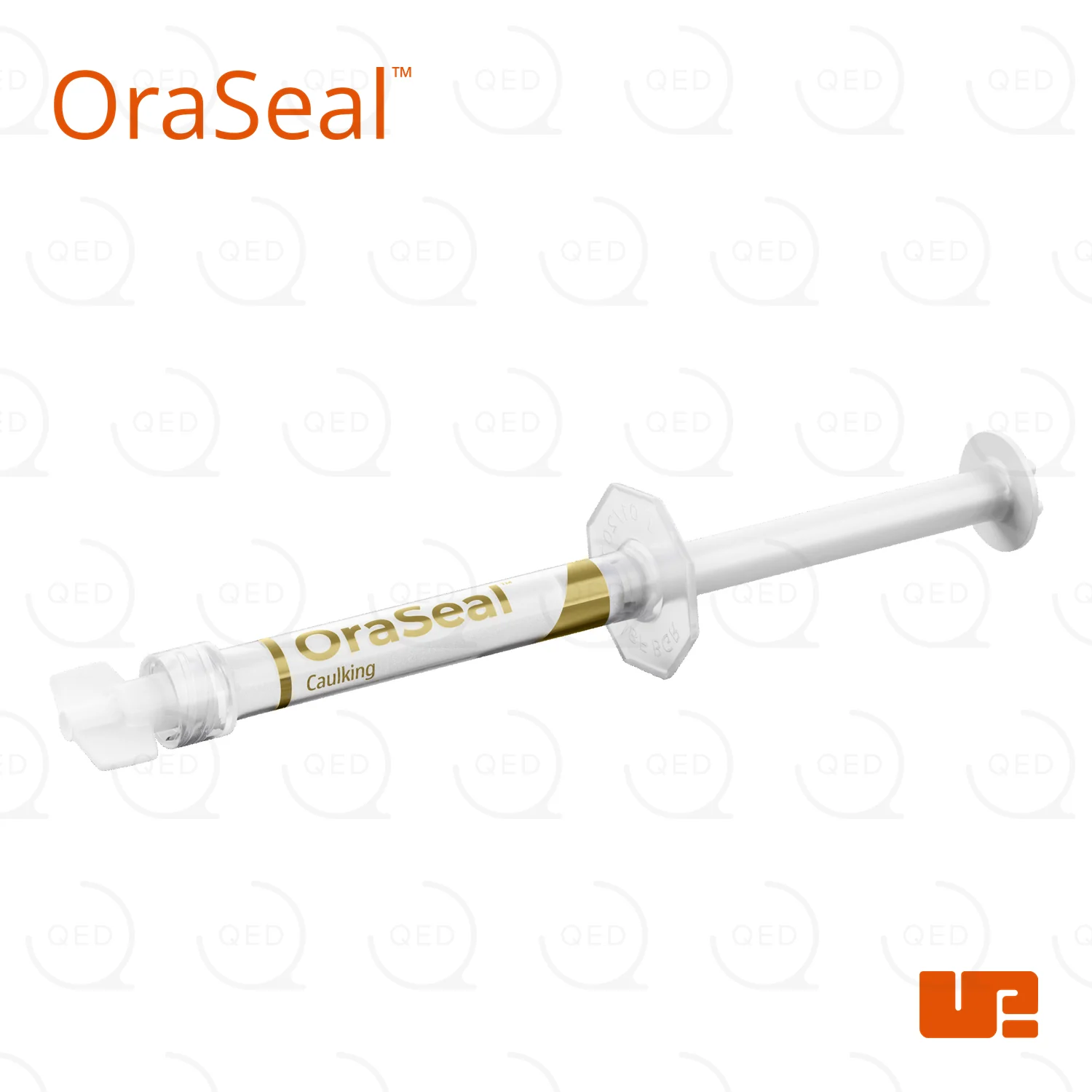
OraSeal™ Caulking · Rubber dam seal
Dam sealingEndodontic isolationBleachingPorcelain etchingImpression block-out
Broken-down tooth? Dam clamped but weeping at the margin? Hypochlorite finding its way where it shouldn't? OraSeal™ Caulking is a cellulose-based, syringe-delivered sealing material that adheres to a wet rubber dam, to gingival and mucosal tissues and to teeth. Ultradent states it functions under water and saliva – which is the entire point, because the field you need to seal is the one that will not stay dry.
| 4 SYRINGES | 1.2 ml EACH | 5 INDICATIONS |
This pack: 4 × 1.2 ml syringes of Caulking
Made by Ultradent, USA
Most sealing materials ask for a dry surface, which is a problem when the reason you need one is that the site is leaking. A subgingival margin on a broken-down molar will not dry, and neither will the gingival tissue around a poorly adapting dam. OraSeal™ is cellulose-based rather than resin-based, so it adheres to wet dam, wet tissue and wet tooth and keeps functioning under water and saliva. It is placed and removed mechanically – nothing to cure, nothing to wait for, no extra instrument on an already crowded bracket table.
| Works wet | Adheres to a wet dam, tissue and tooth, and functions under water and saliva |
| Flowable | The runnier of the two consistencies, so it finds its way into the leak rather than sitting on top of it |
| No curing step | Placed and removed mechanically – no light cure, no waiting |
| Cellulose-based | Ultradent's instructions record no known contraindications for OraSeal materials |
› Sealing rubber dams to optimise tissue isolation.
› Repairing dam leakage where adaptation is difficult during endodontic procedures.
› Preventing peroxide seepage during power bleaching.
› Blocking hydrofluoric acid exposure when etching porcelain intraorally.
› Blocking undercuts when taking impressions around fixed bridgework and implant bars.
Cellulose-based caulking and block-out materials that will adhere to a wet rubber dam, gingival and mucosal tissues, and teeth – and function under water and saliva.
— Ultradent, OraSeal instructions for use
1 Test the flow first, outside the mouth, then fit a Black Mini™ or White Mac™ tip – both can be trimmed to the diameter the job wants.
2 Run it into the leak along the dam margin or tissue – it will adhere without drying the site first.
3 Scrape away the excess afterwards and clean up with a wet toothbrush, floss or curette and a firm air/water rinse.
Caulking or Putty – which do I need?
Caulking flows, so it is the one for sealing leaks and gingival margins. OraSeal™ Putty is stiffer and suits block-out work, undercuts and embrasures. If you want both on the shelf, the OraSeal™ Kit holds two syringes of each.
Does it need light curing?
No. There is no cure step in Ultradent's instructions – it is placed, it works, and it is scraped away afterwards. Do not confuse it with a light-cured resin barrier, which behaves differently and is removed differently.
Where should it not go?
Not into extraction sites or deep pockets, and not in critical dimension areas. Do not vacuum large volumes into the suction system.
How long does a pack last?
Four 1.2 ml syringes go a long way when a typical repair is a bead along one margin. Practices doing regular endodontics tend to reorder on the tips before the material.
Is the syringe single use?
No – disinfect it between uses, and treat it as single use if a barrier sleeve is not available. The tips are single use.
| Block-out | OraSeal™ Putty · 4 × 1.2 ml |
| Both, one box | OraSeal™ Kit |
| Fine tips | Black Mini™ · tub of 100 |
| Angled tips, 20 | White Mac™ · tub of 20 |
| Angled tips, 100 | White Mac™ · tub of 100 |
| Isolation build-up | J-Temp™ temporary resin |
OraSeal™ Caulking · cellulose-based dam sealer · flowable · no cure step · 4 × 1.2 ml syringes · Ultradent, USA · REF 351 · also as Putty and as a Kit

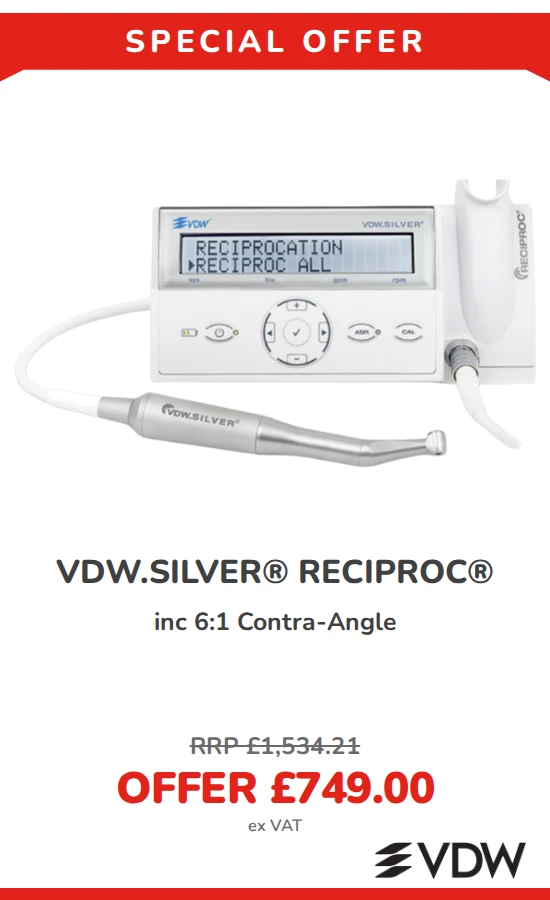
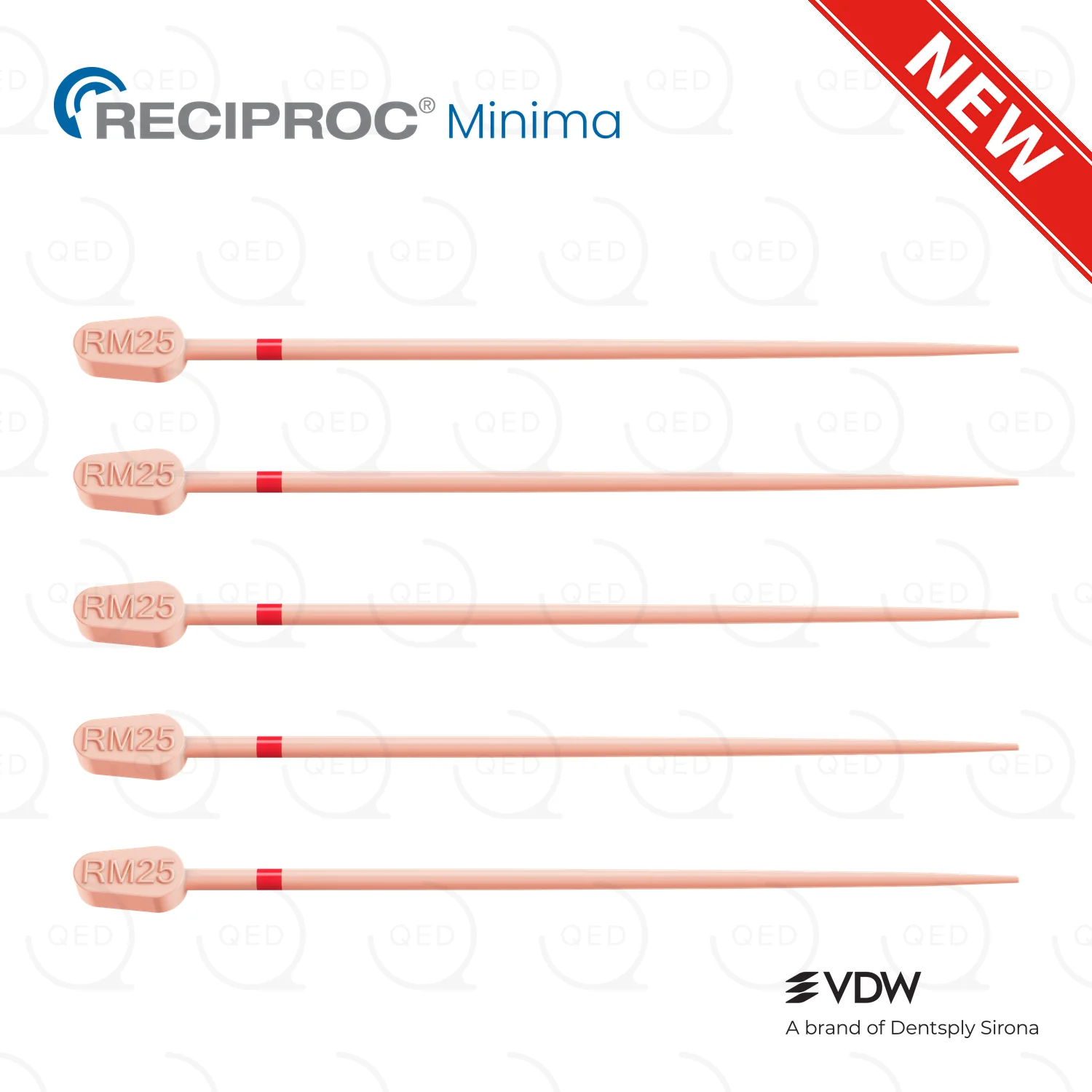
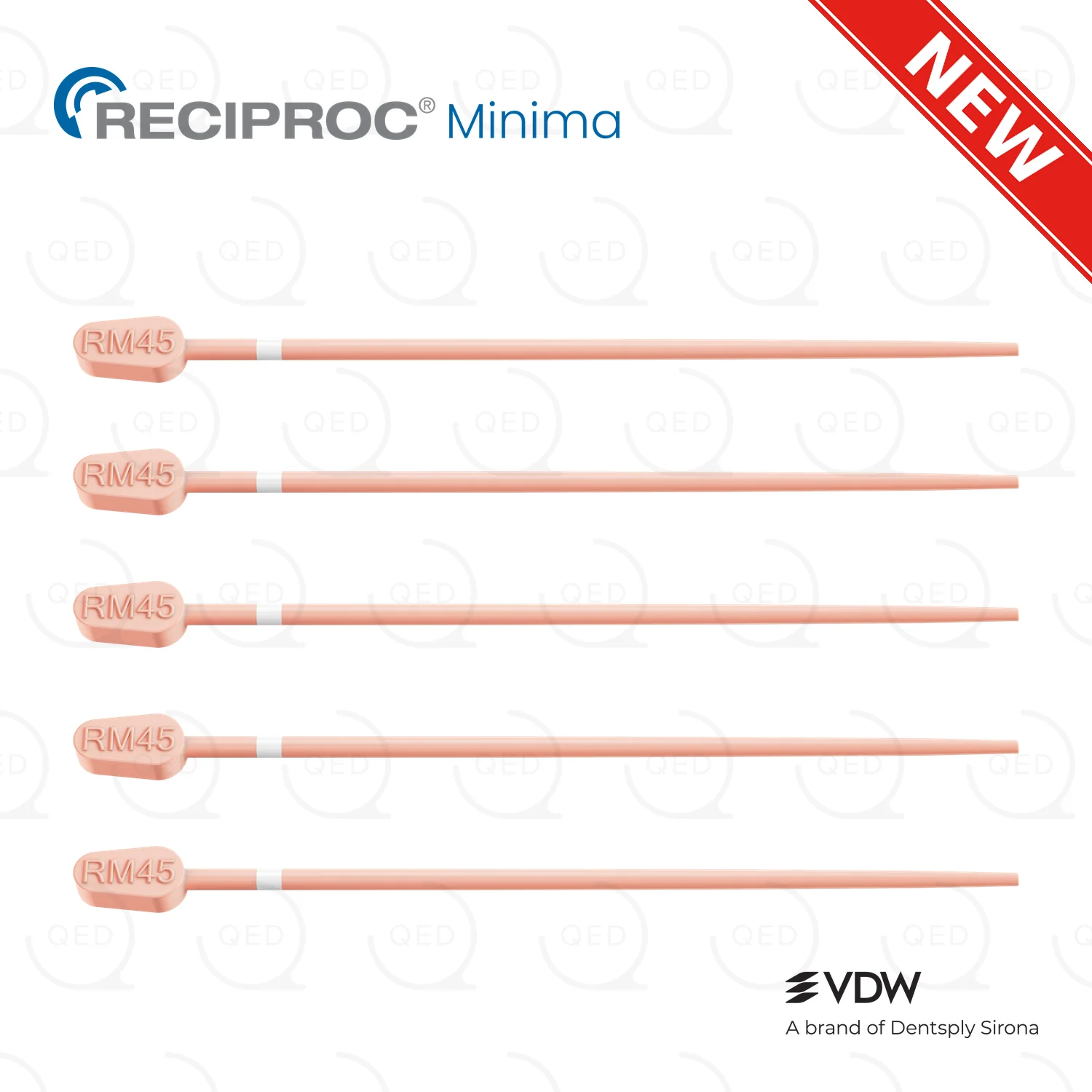
SpotlightRECIPROC® MinimaOne file · slim shaping for narrow canals
Shaping systems
Hand files & finders
Materials & more
 eMail 351 to a friend




















 Facebook
 Twitter
 Instagram
 Pinterest