


Best selection of Endodontic supplies in the UK


BIO-C® TEMP · Bioceramic intracanal dressing
Necrotic pulpRetreatmentPerforationsResorptionTraumaOpen apex
Necrotic case? Retreatment? A review you can't book for a month? BIO-C® TEMP is a ready-to-use bioceramic paste for intracanal dressing. Its calcium silicates hydrate to produce calcium hydroxide gradually, releasing calcium and hydroxyl ions over time rather than all at once – and Angelus states the paste can stay in the canal for up to 30 days without replacement.
| 30 days ANGELUS MAXIMUM | 9+ pH AT DAY 28 | 4 SYRINGES |
This pack: 4 × 0.5 g syringes · 20 intracanal tips
Made by Angelus, Brazil – the bioceramics specialists
A conventional calcium hydroxide paste reaches a high pH quickly and is typically refreshed between visits. BIO-C® TEMP works differently: the calcium silicates generate calcium hydroxide as they hydrate, so the alkalinity arrives gradually and persists. Independent work bears this out honestly – Lopes and colleagues (European Endodontic Journal, 2024) recorded pH above 9 from day three through day 28, below a calcium hydroxide control that held around 11.3 to 11.5. The case for this material is that it stays working for weeks, not that it is more alkaline.
| Up to 30 days | Angelus states the dressing can remain in the canal for up to 30 days without replacement |
| Sustained pH | Gradual release of calcium and hydroxyl ions holds an alkaline environment, unfavourable to bacterial growth |
| Ready to use | No mixing, no spatulation, no waiting – the syringe and tip go straight into the canal |
| Radiopaque | Clear radiographic check that the canal is filled to length before the patient leaves |
“BIO-C® TEMP can remain in the canal until 30 days” without requiring replacement, unlike calcium hydroxide which needs frequent changes.
— Angelus, BIO-C TEMP product information
› Necrotic pulp and retreatment – where the canal needs disinfecting between visits and the next appointment is not next week.
› Perforations and resorption, internal or external – Angelus indicates it ahead of definitive repair with MTA Angelus.
› Incomplete rhizogenesis and trauma – the cases where healing sets the timetable, not the diary.
› Long recall intervals – referral practices, patients travelling, anyone you cannot see again in a fortnight.
1 Place direct. Fit an intracanal tip, insert to about 3 mm short of working length, and fill on withdrawal.
2 Remove with hypochlorite. Sodium hypochlorite with a K-file in brushing movements, or ultrasonic inserts.
3 Then EDTA. 17% EDTA activated ultrasonically in three ten-second cycles – Angelus's published protocol.
How is it different from a calcium hydroxide paste?
Duration rather than peak pH. Pastes such as Opacal, Calcipast and UltraCal™ XS reach a higher pH quickly and are typically refreshed between visits. BIO-C® TEMP generates its calcium hydroxide gradually as it hydrates.
Will I get all of it out again?
Be realistic – no technique fully removes any intracanal dressing. In the Lopes study neither manual irrigation nor passive ultrasonic cleared the canal completely, though ultrasonic activation performed significantly better in the apical third. Follow the protocol above and expect some residue.
Does it cause postoperative pain if it extrudes?
Angelus reports no painful symptomatology even where the paste extrudes through the apical foramen. That is the manufacturer's clinical experience rather than a controlled trial, so treat it as reassurance rather than evidence, and place to length as you would with any dressing.
When would I reach for it over a conventional paste?
When the interval is long or healing needs time – trauma follow-ups, resorption management, apexification-type cases. For a routine two-week dressing where you will re-enter anyway, a calcium hydroxide paste does the job and comes ready to use: Opacal in a single 3 ml syringe, Calcipast with hydroxyapatite, or UltraCal™ XS at pH 12.5 through a sideport tip. Different tools, not better or worse ones.
How many cases does the pack cover?
Four 0.5 g syringes and 20 intracanal tips. Each syringe carries several canals' worth, so the tip count is usually the practical limit rather than the paste.
| Routine dressing | Opacal – 3 ml syringe |
| Four-syringe pack | Calcipast – with hydroxyapatite, 4 × 2.1 g |
| Precision delivery | UltraCal™ XS refill |
| Repair, white | MTA Angelus White 1 g |
| Repair, grey | MTA Angelus Grey 1 g |
| Non-staining repair | NeoMTA® 2 – tantalite, no bismuth oxide |
| No mixing | NeoPUTTY® – premixed bioceramic putty, 8.1 mm Al |
| Placing MTA | MTA carrier 0.99 mm |
| Then obturate | MTA Fillapex® sealer |
BIO-C® TEMP · calcium silicate bioceramic paste · ready to use · radiopaque · 4 × 0.5 g syringes + 20 tips · Angelus, Brazil · REF MTA-2833 · mfr code 2833
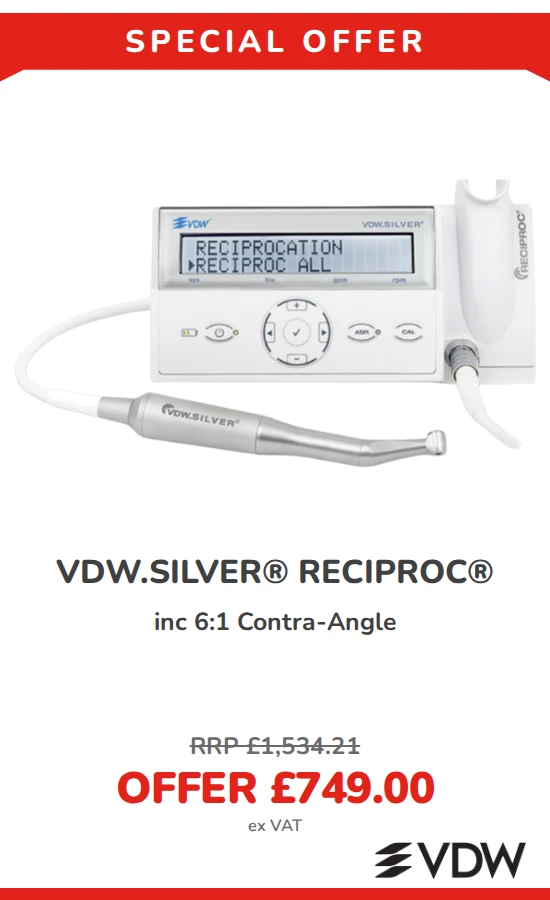
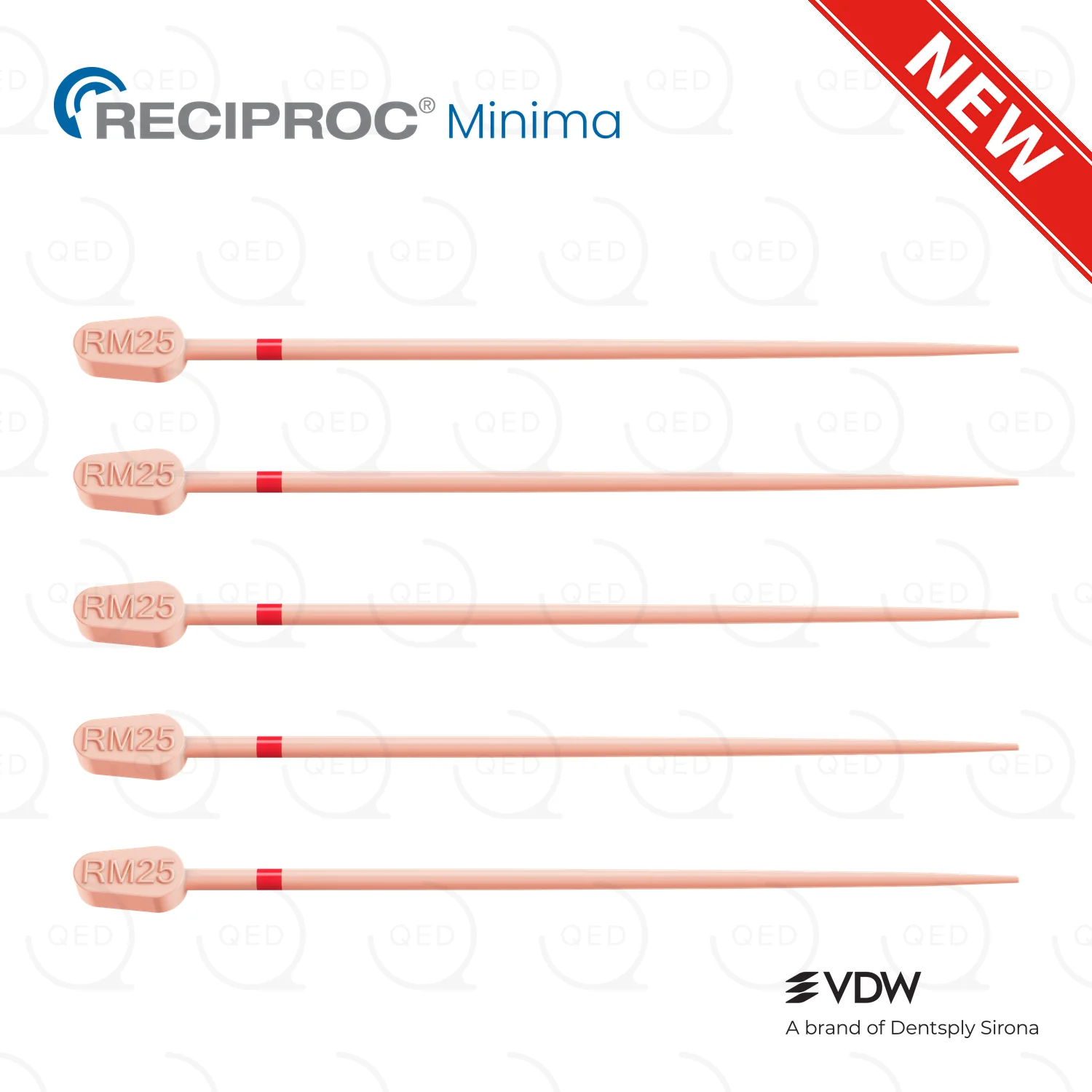
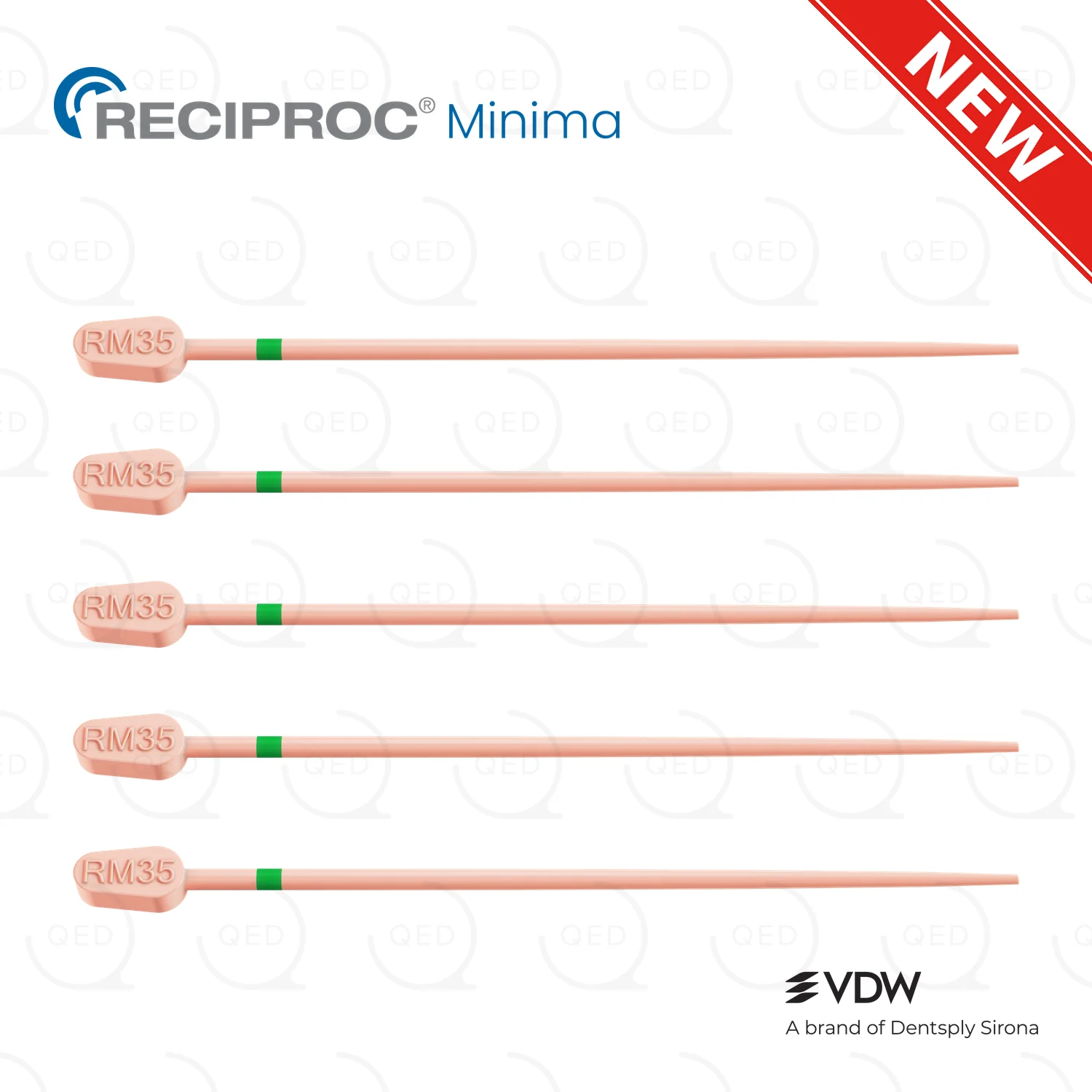
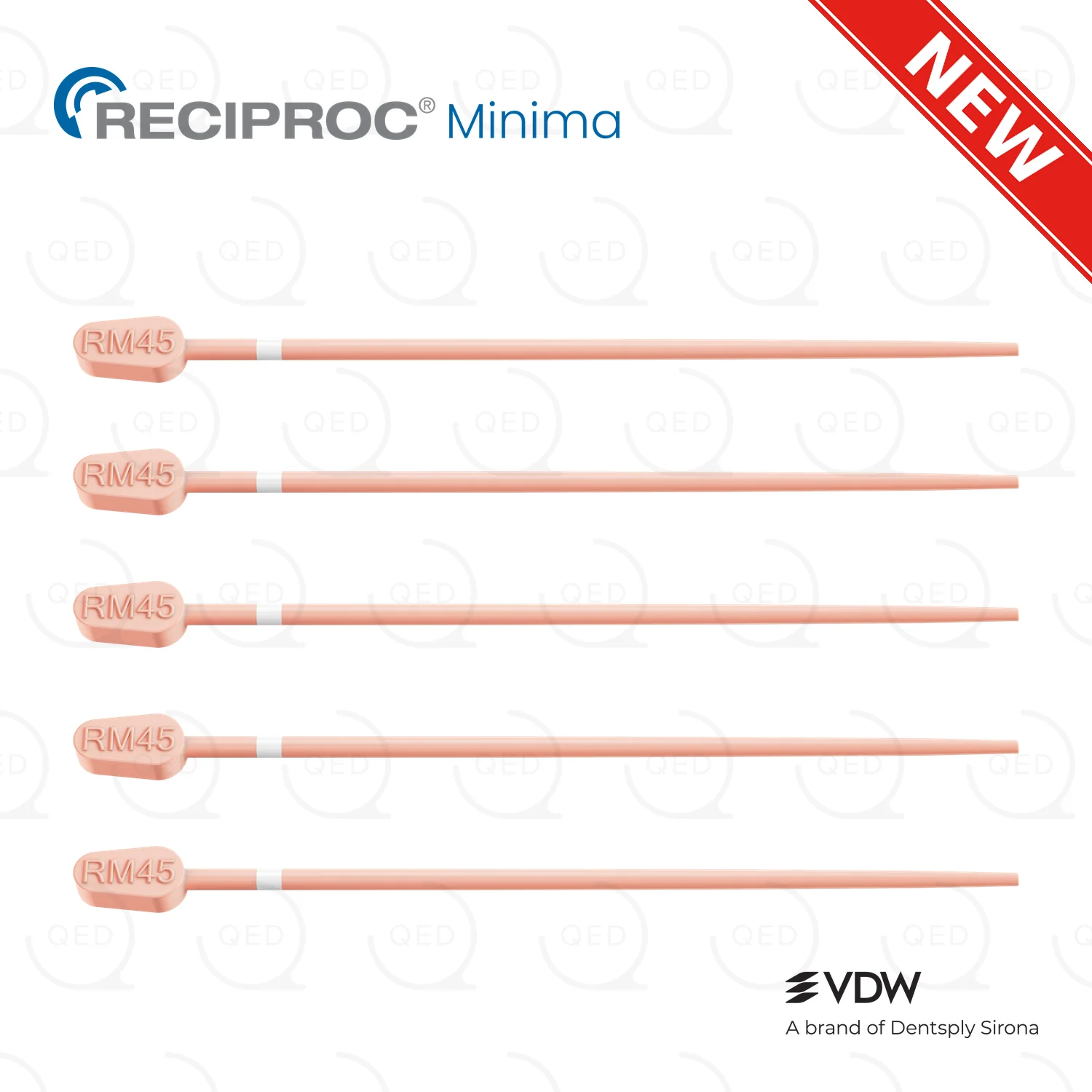
SpotlightRECIPROC® MinimaOne file · slim shaping for narrow canals
Shaping systems
Hand files & finders
Materials & more

 eMail MTA-2833 to a friend



















 Facebook
 Twitter
 Instagram
 Pinterest