


Best selection of Endodontic supplies in the UK


KSK DC-1 distal · winged · molar · matt
The distal box on the last standing molar is the hardest surface in the mouth to isolate and see at the same time. The distal clamp is drawn to open that specific access – Dentech list it for molars in both the deciduous and permanent dentition, to reach the distal part of the tooth. Matt finished, so it does not throw the operating light back at you while you work into a shadow.
This item: 1 × KSK distal rubber dam clamp DC-1, winged, matt
Made by Dentech, Japan · Matt finish · supplied singly
| Distal access | Drawn to reach the distal part of a molar |
| Both dentitions | Deciduous and permanent molars, per Dentech |
| Matt finish | Sand-blasted, non-glossy – no glare back from the operating light |
› Third molars specifically: the 12A and 13A pair.
› Standard molar isolation: the 7A lower, the No.5 upper.
› Seal and see – Cerkamed rubber dam liquid at a distal margin, Young's frame to keep the field open.
Is a distal clamp only for a terminal tooth?
That is where it earns its place. On a tooth with a neighbour behind it, a conventional molar clamp and a well-punched dam usually give better access.
Why matt rather than black?
Dentech supply this pattern in matt. Both matt and black are non-reflective; matt is sand-blasted steel, black is an oxide layer.
KSK winged distal clamp DC-1, matt · molar distal access · deciduous and permanent · winged · matt · Dentech Japan · mfr code 50030000 · REF RDBDC1
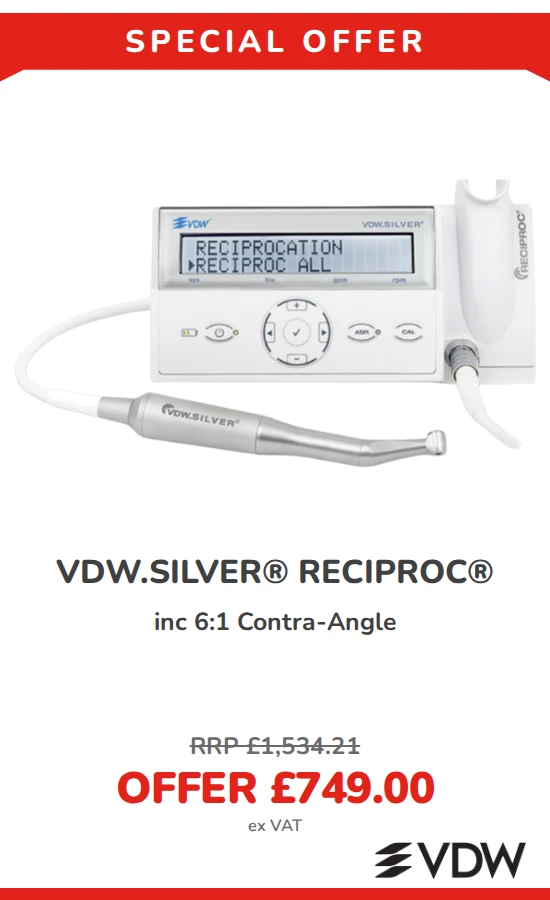
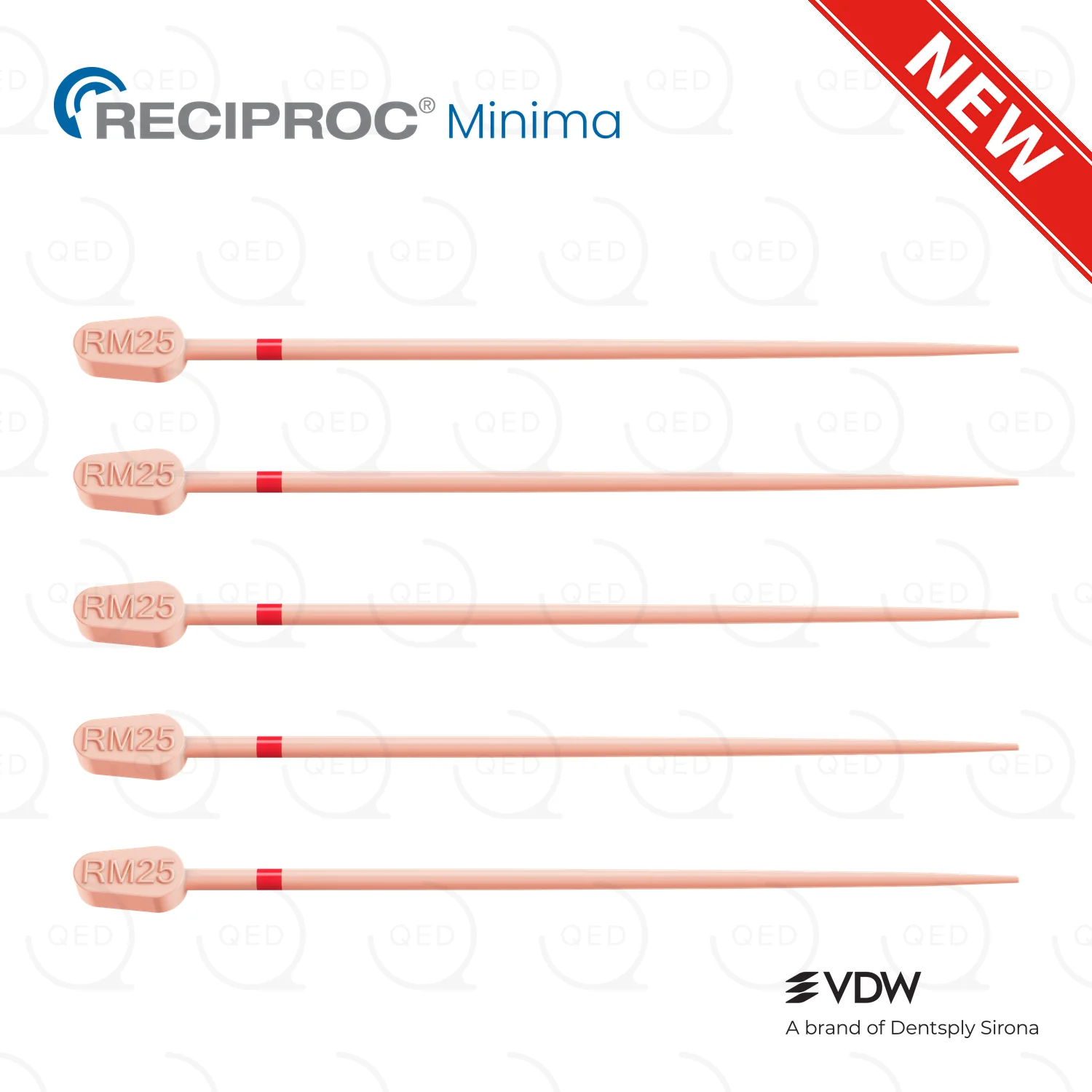
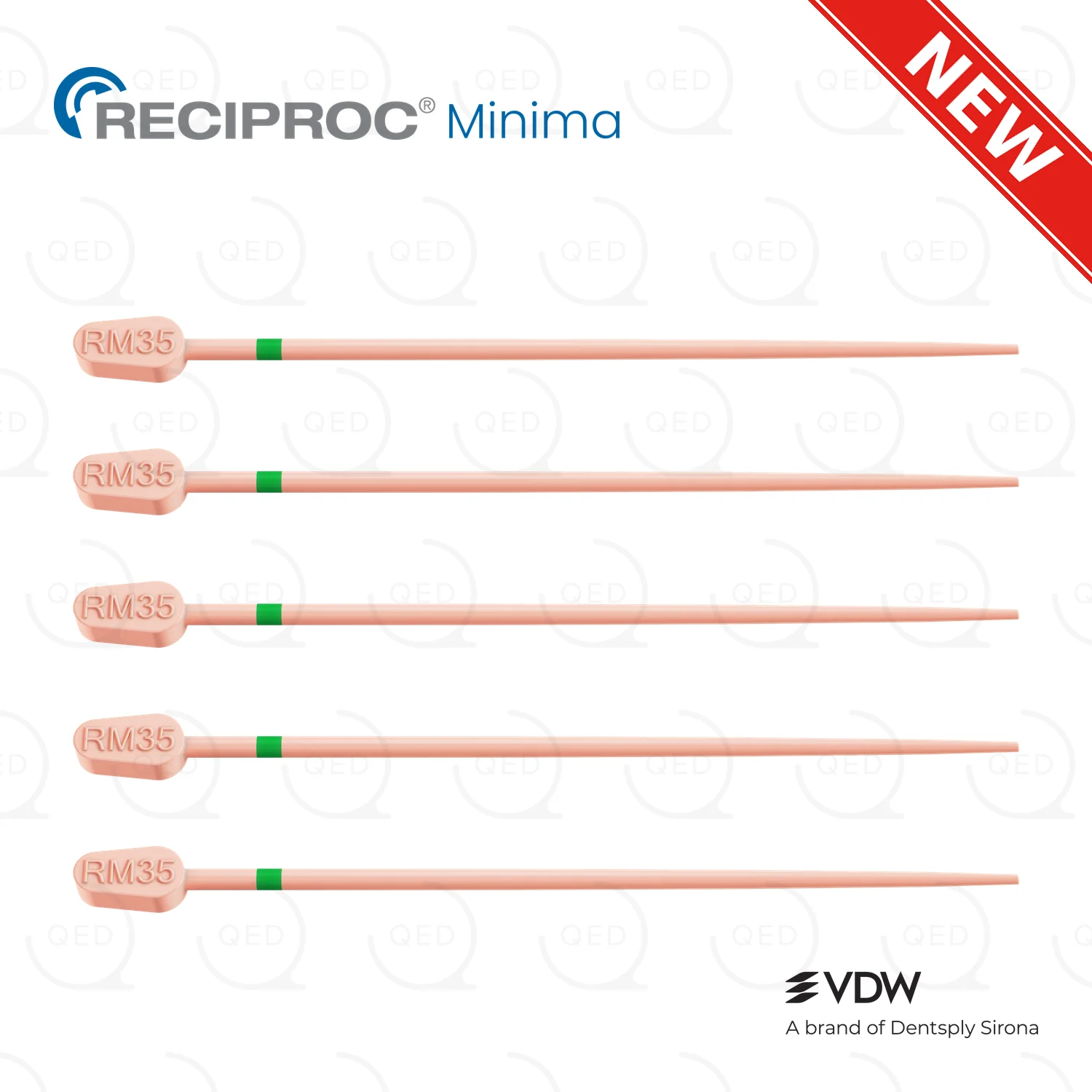
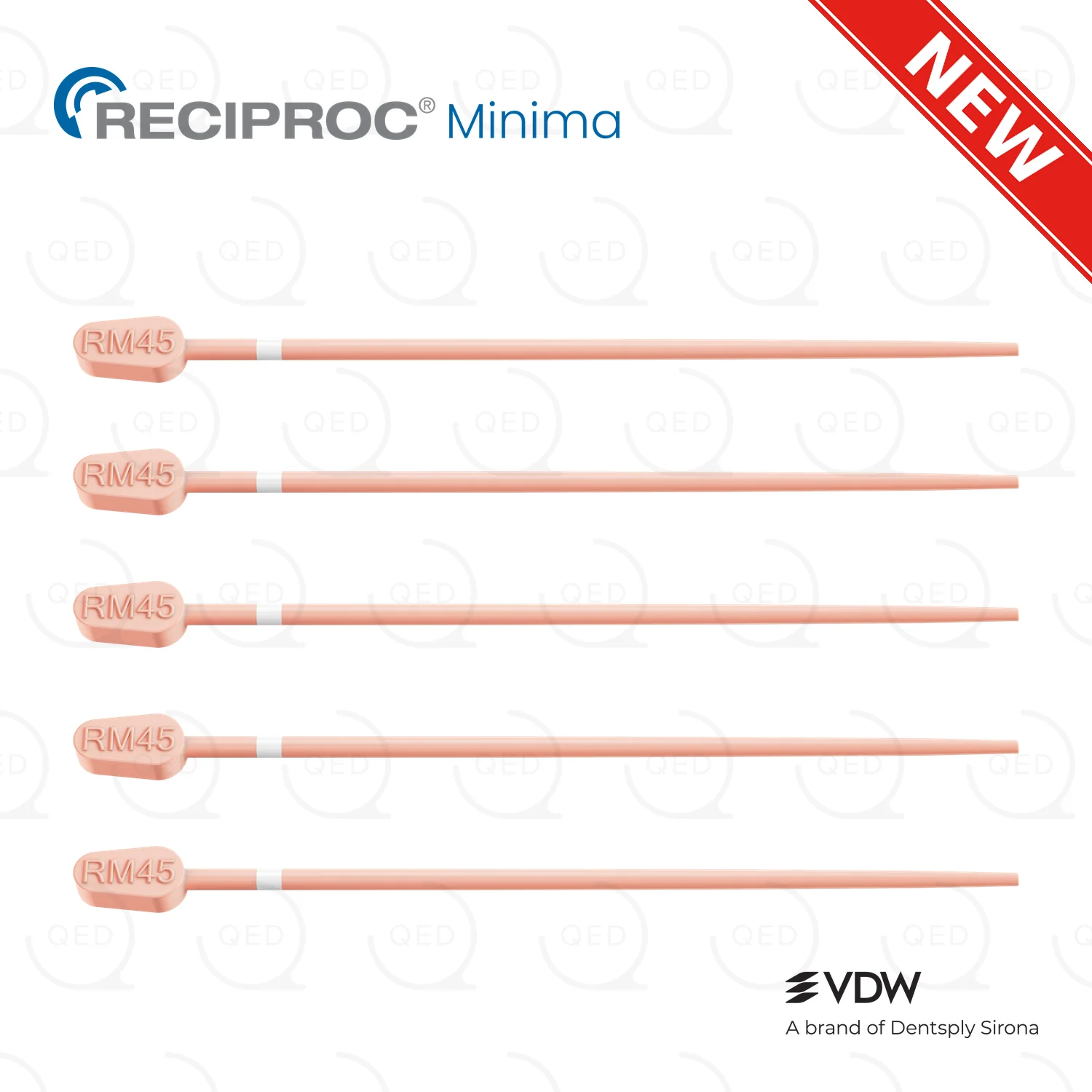
SpotlightRECIPROC® MinimaOne file · slim shaping for narrow canals
Shaping systems
Hand files & finders
Materials & more
 eMail RDBDC1 to a friend






























 Facebook
 Twitter
 Instagram
 Pinterest